 COPPER
Traditional food of Japan: 14 dishes to know
Traditional Japanese food, washoku, is built on short-grain rice, miso soup and small side dishes, flavoured with dashi, a broth of kombu seaweed and dried bonito, soy sauce and miso. It favours seasonal ingredients and light seasoning over spice. The most emblematic dishes are sushi, ramen, tempura and everyday rice bowls such as oyakodon.
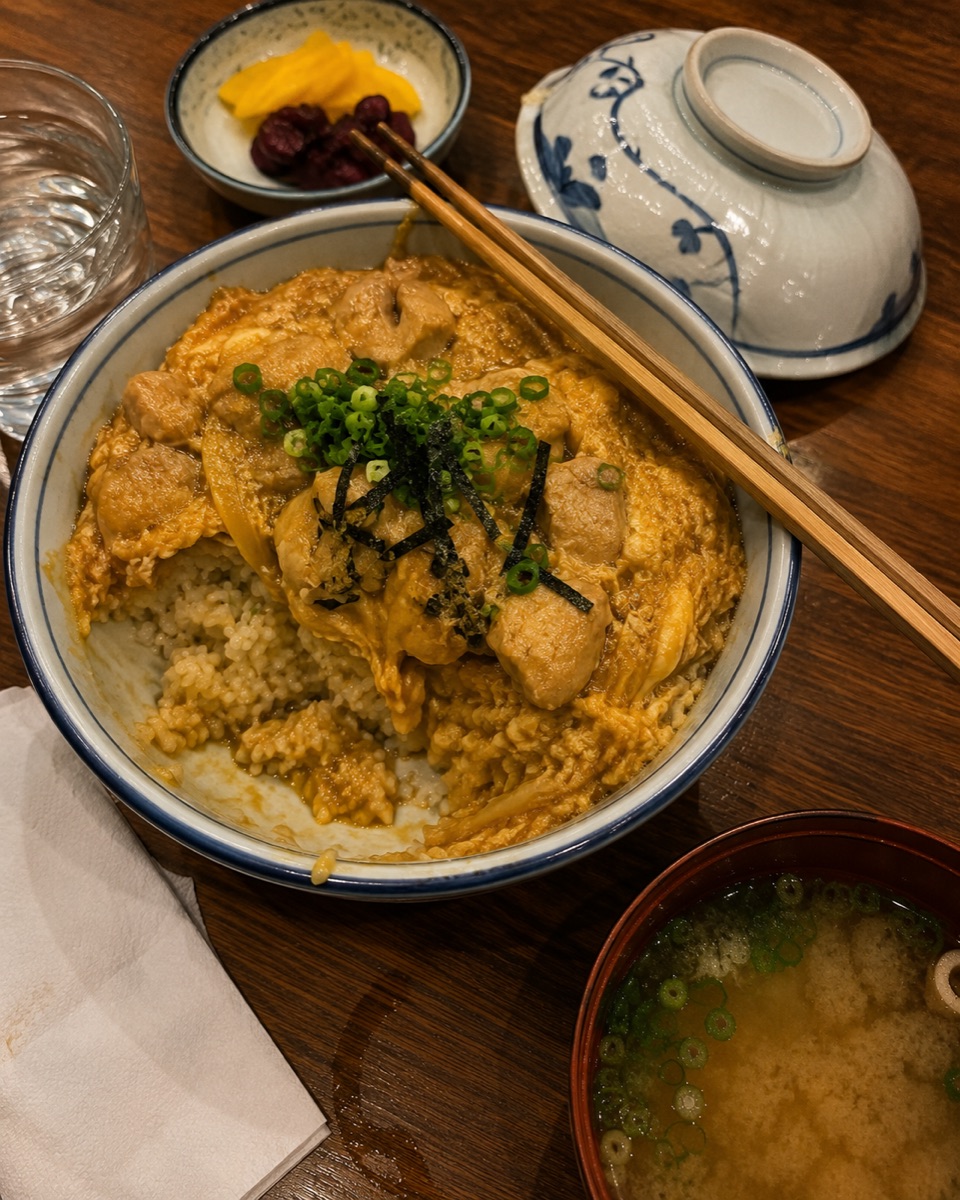
What Japanese food is built on
The traditional Japanese meal follows a pattern called ichijū-sansai, “one soup, three sides”: a bowl of rice, a bowl of soup, usually miso soup, and three small dishes, each served on its own plate. Pickles come alongside. The structure goes back to the frugal meals of Zen temples.
The flavour base is dashi, a stock made from kombu seaweed and katsuobushi, dried skipjack tuna, which carries the savoury depth known as umami. Soy sauce, miso and mirin do the rest. Cooks follow shun, the idea of eating each ingredient at its seasonal peak. In December 2013 UNESCO added washoku, the traditional dietary culture of the Japanese, to its list of Intangible Cultural Heritage.
A typical home breakfast follows the same model. In traditional inns, ryokan, it means rice, miso soup, grilled fish, tamagoyaki (a rolled omelette) and tofu. At home, many people eat rice with nattō, fermented soybeans, or tamago-kake gohan, hot rice mixed with a raw egg and soy sauce.
Rice dishes
- Sushi — Rice seasoned with rice vinegar, topped or rolled with raw or cooked seafood and vegetables. It began as a way to preserve fish by fermenting it with rice. Today the main styles are nigirizushi (hand-pressed), makizushi (rolled in nori) and chirashi (scattered over a bowl of rice).
- Onigiri — Rice balls, often wrapped in nori seaweed, with a filling such as umeboshi (pickled plum) or salmon at the centre. They are the standard packed lunch and snack, sold in every convenience store.
- Oyakodon — A donburi, or rice bowl, whose name means “parent and child”: chicken and egg simmered together in a sweet soy and dashi broth, then slid over rice while the egg is still soft. It is a quick everyday lunch at home and in small restaurants.
Noodles and soups
- Ramen — Chinese-style wheat noodles served in a hot soup, with toppings such as sliced pork, egg and green onion. The dish came from China and is now considered one of Japan's national dishes, sold in specialised ramen shops all over the country.
- Udon — Thick wheat noodles served in hot broth or chilled, with a range of toppings. The broth itself changes across the country (see below).
- Soba — Thin buckwheat noodles served hot in broth or cold with a dipping sauce. Eating soba on New Year's Eve, toshikoshi soba, is a tradition said to carry people from one year to the next.
- Tonjiru — A miso soup turned into a meal with pork belly and root vegetables: daikon, carrot and burdock. The miso is stirred in at the end so it does not boil. It is a home dish, served with rice on the side.
Grilled, fried and simmered dishes
- Tempura — Seafood and vegetables dipped in a light, thin batter and deep-fried. It is served with a dipping sauce or salt, on its own or over rice or noodles.
- Tonkatsu — Pork loin or fillet coated in panko breadcrumbs, deep-fried, sliced and served with shredded cabbage and a thick Worcestershire-style sauce. It is a yōshoku dish, a Japanese take on European food, first served at a Tokyo restaurant in 1899.
- Yakitori — Chicken cut into even pieces, skewered and grilled over charcoal, seasoned either with salt (shio) or with tare, a glaze of mirin, sake, soy sauce and sugar. It is sold in specialised yakitori shops, in izakaya, Japanese pubs, and from street carts.
- Sukiyaki — Thinly sliced beef simmered at the table in a shallow iron pot with vegetables, in soy sauce, sugar and mirin, then dipped in raw beaten egg before eating. It appeared in the Meiji era (1868–1912), when centuries of restrictions on eating meat were relaxed, and is still a winter and year-end dish.
- Oden — Fish cakes, boiled eggs, daikon and other ingredients simmered for hours in a light soy-flavoured dashi. It is mostly a winter food, sold from food carts, in izakaya and on convenience store counters.
Street food and sweets
- Okonomiyaki — A savoury pancake made mostly of shredded cabbage held together by batter, cooked with pork belly on a griddle and topped with a thick sauce, mayonnaise and bonito flakes. The name means “grilled as you like”. In the Osaka style everything is mixed before cooking; in the Hiroshima style the layers are stacked and there is far more cabbage.
- Wagashi — Traditional Japanese sweets made from sweet red bean paste, rice flour and mochi, the pounded glutinous rice cake. They are the traditional sweets of Japan, distinct from Western-style cakes.
Regional differences
Japanese cooking changes between the two big regions of the main island. In Kantō, around Tokyo, udon broth is dark and made with strong soy sauce; in Kansai, around Osaka and Kyoto, it is pale and lighter in seasoning. The same east-west split shows up in sukiyaki, cooked in a different order in each region, and in okonomiyaki, mixed in Osaka but layered in Hiroshima. In Nagoya, oden is still made with miso.
Special occasions have their own food too. Soba is eaten on New Year's Eve, and osechi, boxes of small ceremonial dishes, are prepared for New Year's Day.
Cook Japanese food at home
Japan has no official dish: sushi, ramen and curry rice, karē raisu, a thick mild curry over rice, are the three most often named as the national dish of Japan. Home cooking, though, is built on simpler bowls. Copper has full recipes for oyakodon, tonjiru and okonomiyaki, with ingredients and step-by-step methods, on our page about the food of Japan.
For the cooking of Japan's closest neighbour, which shares rice, fermented pastes and soups at every meal, read our guide to the traditional food of South Korea.
For the neighbouring kitchens, see our guide to East Asian food.
The recipes
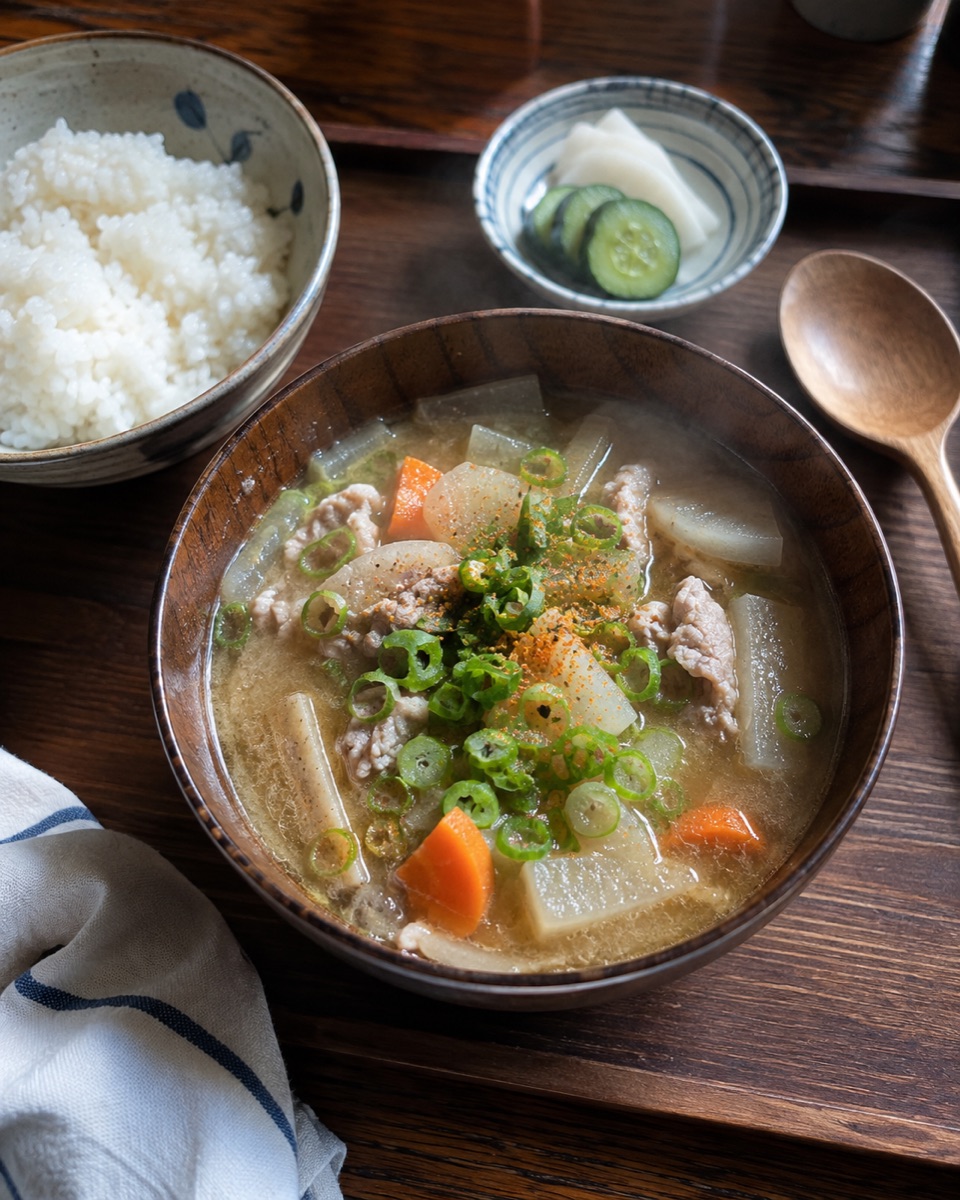 Tonjiru
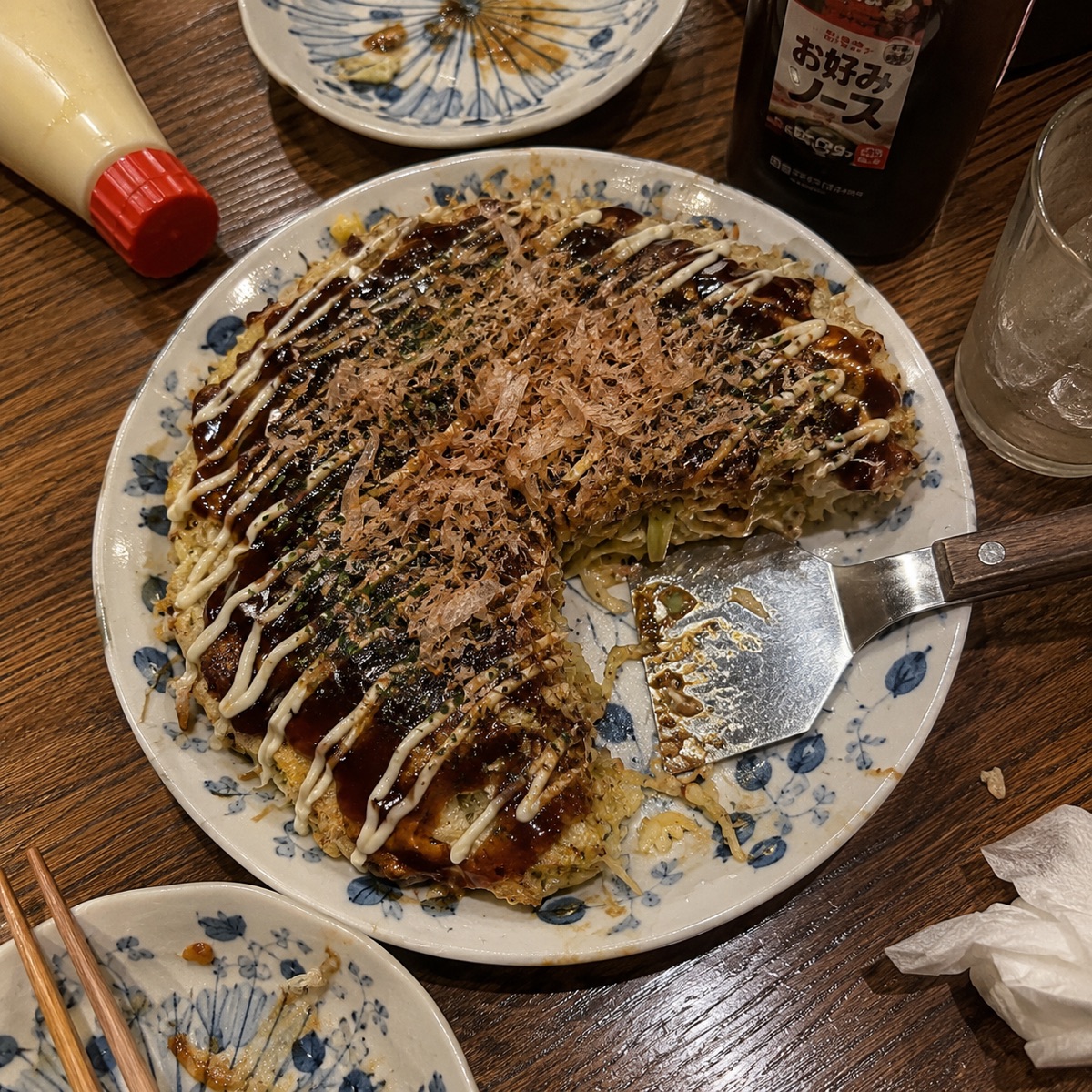 Okonomiyaki
Questions people ask
What is the most popular food in Japan?
Rice is the base of almost every meal. Among dishes, sushi, ramen and tempura are the best known abroad, while donburi rice bowls, noodles and miso soup are the everyday staples.
What do people in Japan eat for breakfast?
A traditional Japanese breakfast is rice, miso soup, grilled fish, tamagoyaki (rolled omelette) and pickles. Nattō, fermented soybeans, or a raw egg mixed into hot rice, are also common.
Is Japanese food spicy?
No. Traditional Japanese cooking uses very little spice. Heat comes from condiments added at the table, such as wasabi or shichimi, a seven-spice chili blend.
Is washoku a UNESCO heritage?
Yes. Washoku, the traditional dietary culture of the Japanese, was added to UNESCO's Intangible Cultural Heritage list on 4 December 2013.
What is dashi?
Dashi is the basic Japanese stock, usually made from kombu seaweed and katsuobushi, dried bonito flakes. It flavours miso soup, noodle broths and simmered dishes.
Keep reading
- What is the national dish of Japan?
- Traditional food of China: 13 dishes to know
- Traditional food of North Korea: 13 dishes to know
- Traditional food of South Korea: 14 dishes to know
- Traditional food of Taiwan: 14 dishes to know
- What is the national dish of China?