 COPPER
What is the national dish of Serbia?
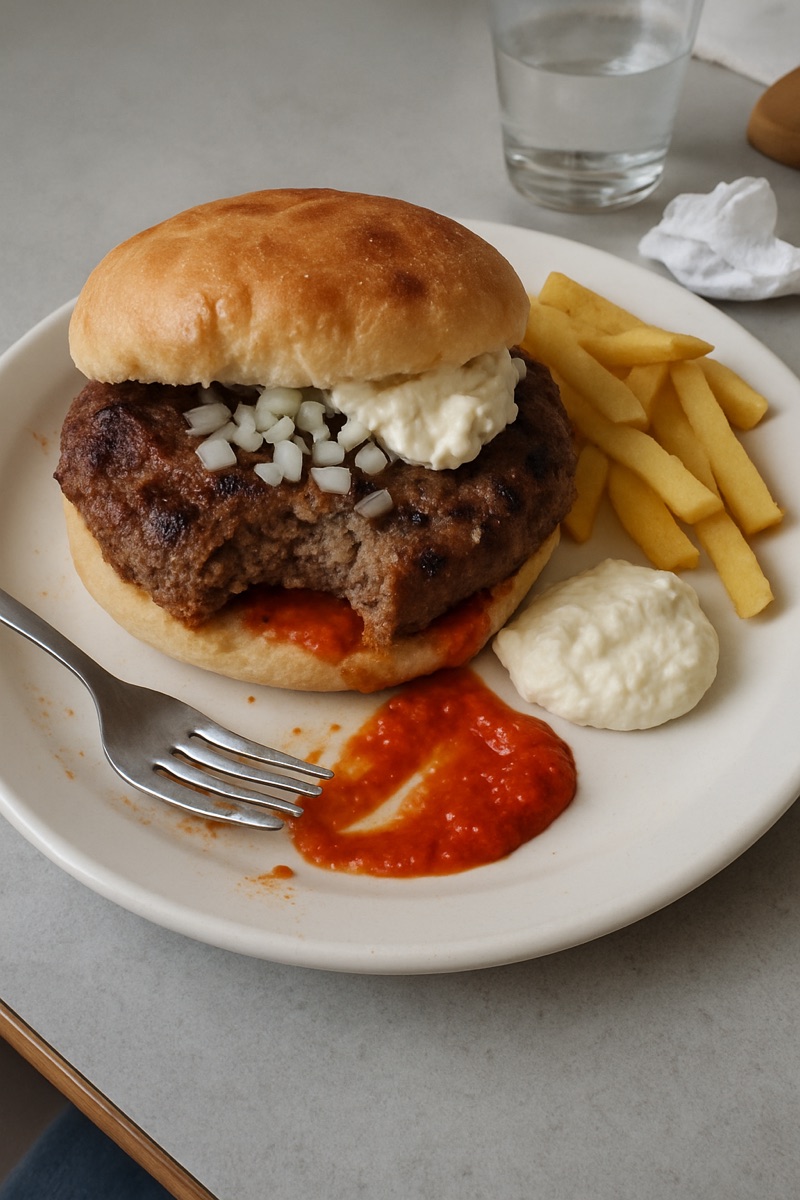
Serbia has several national dishes rather than one official choice. The most cited are pljeskavica, a wide, thin grilled patty of minced beef, pork and lamb served in lepinja flatbread with kajmak, ajvar and raw onion, and ćevapi, small grilled minced-meat fingers. Sarma (sour cabbage rolls) and gibanica (cheese pie) also appear on every list.
Why Serbia has more than one national dish
Serbia has no official national dish. Reference works instead list a group of them: sarma, gibanica, pljeskavica, ćevapi, paprikaš, gulaš and Karađorđeva šnicla, a rolled schnitzel. Food references describe pljeskavica in particular as a national dish of Serbia that is also a favourite in Bosnia and Croatia.
Grilled meat is at the centre of the list. Serbia's classic grill (*roštilj*) menu includes:
- Pljeskavica, the flat patty.
- Ćevapčići, the small fingers, the name used more often in Serbia for ćevapi.
- Vešalica and ražnjići, two more grill-house staples.
- Kobasica (sausage) and mešano meso, literally mixed meat.
What is pljeskavica?
Pljeskavica is a grilled patty of spiced minced pork, beef and lamb, served either on a plate with onions, kajmak and urnebes cheese salad, or folded into lepinja flatbread as street food. Serbian Wikipedia gives the traditional cuts as beef shoulder, pork neck and lamb belly.
In our pljeskavica recipe, 300 g of beef, 200 g of pork and 150 g of lamb are kneaded 8 to 10 minutes with paprika, half a teaspoon of baking soda and 100 ml of sparkling water, then rested at least 12 hours in the fridge. Each 160 g ball is slapped into a disc 15 to 18 cm wide and only 1.5 cm thick, wider than the bread, and grilled with no oil, 4 to 5 minutes on the first side and 3 to 4 on the second.
Regional versions include the very spicy Leskovac pljeskavica, the Šar pljeskavica stuffed with kačkavalj cheese, and the Hajduk pljeskavica of beef mixed with smoked pork. The name Leskovac pljeskavica is legally protected for pljeskavica from Serbia's Jablanica District.
Through the 1960s to the 1990s pljeskavica was the main fast food in Serbian towns. The best-selling version is the *gurmanska* (gourmet) pljeskavica, filled with kačkavalj cheese and bacon or ham and fine-chopped hot peppers. In Bosnia and Herzegovina it is mostly made with beef only, while Croatian pljeskavica keeps the usual beef, pork and lamb.
Pljeskavica or ćevapi?
The two share the same meat and the same grills. Ćevapi are small rolled fingers of minced meat, served several at a time; pljeskavica is one large flat patty. Both came to Belgrade with migrants from southern Serbia, who brought the Leskovac grill repertoire to the capital, where it became one of the best-selling prepared foods.
The word ćevapi appears in documents from the former Yugoslav lands from the 1850s onward. Serbian styles differ by town: Leskovac ćevapi mix pork and beef seasoned with salt, pepper and sometimes garlic, grilled over charcoal, while the larger Novi Pazar ćevapi are about 70% beef and 30% lamb. Ćevapi are considered a national dish of both Serbia and Bosnia and Herzegovina; for the Bosnian side, read the national dish of Bosnia and Herzegovina.
Sarma and gibanica
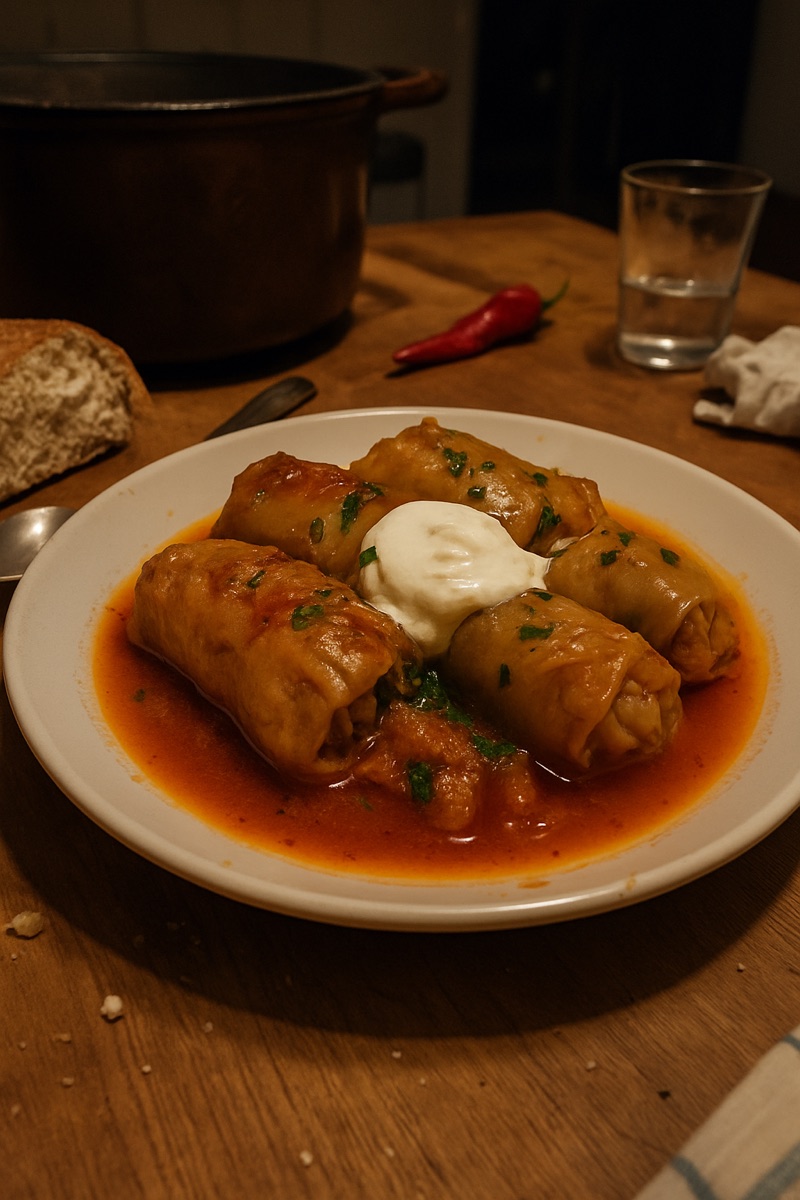
Sarma is whole leaves of lacto-fermented sour cabbage rolled around pork, beef and rice, packed in a pot between smoked ribs and bacon and simmered 3 to 4 hours without stirring, then finished with a paprika roux called *zaprška* and served with proja, a cornbread. The cabbage heads are fermented whole in brine for several weeks; blanched fresh cabbage cannot give the dish its sourness. In Serbia sarma is the first dish served at a *slava*, the family saint's day, and a meatless version is eaten in Lent and on Christmas Eve. Neighbouring Romania claims its own cabbage rolls, sarmale, as its national dish; see the national dish of Romania.
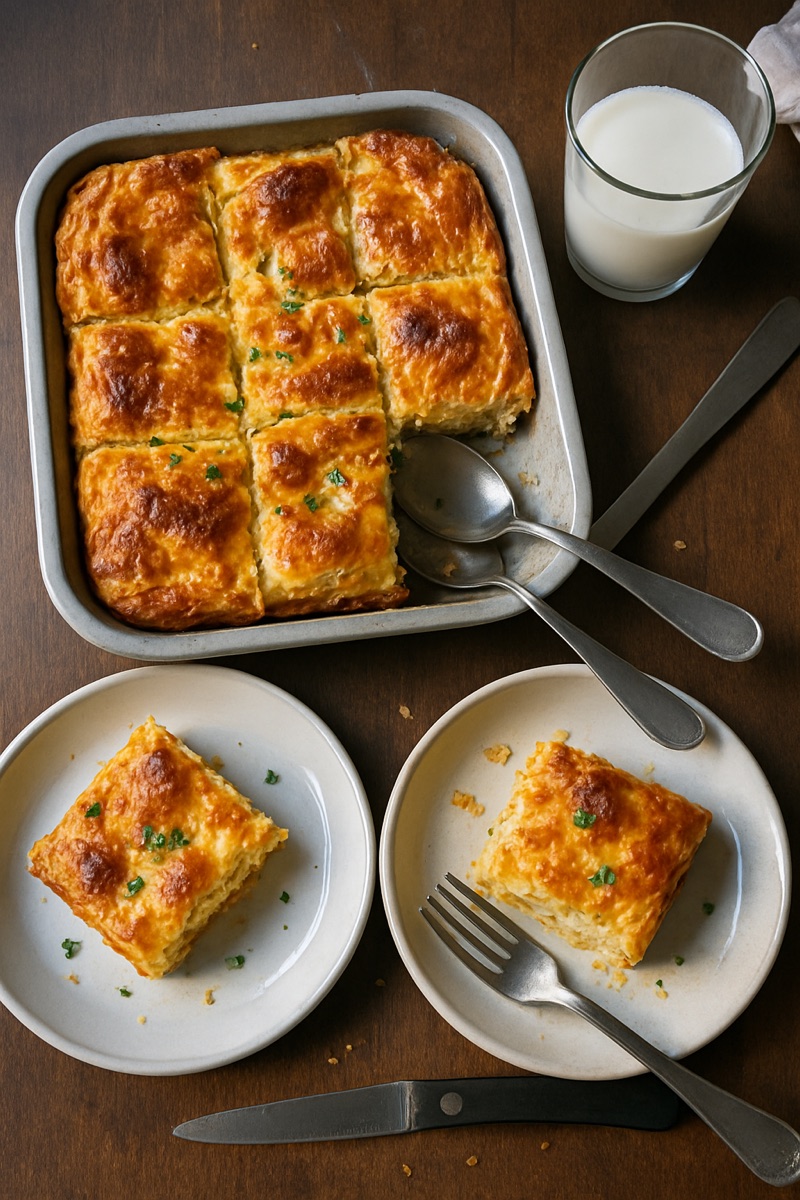
Gibanica is a cheese pie made *gužvara*-style: sheets of phyllo are loosely crumpled, dipped in a mix of fresh cow cheese, eggs, yogurt, oil and sparkling water, and piled into the pan, then baked 30 to 40 minutes at 200 °C. The word appears in Vuk Stefanović Karadžić's Serbian Dictionary of 1818. It comes from the verb *gibati*, to fold or sway, and has given Serbian the word *gibaničar*: someone who makes gibanica, loves eating it, or always turns up as a guest at someone else's expense. It is served warm with yogurt.
Other dishes to know from Serbia
Beyond the grill, TasteAtlas's 2023/2024 list of the most popular Serbian dishes also includes two bean dishes, pasulj and prebranac, the relishes ajvar and urnebes, and burek. The national drink is rakia, a family of fruit brandies.
You will find all three Copper dishes, with ingredients and step-by-step methods, on our page about the food of Serbia, and the neighbouring kitchens in our guide to Balkan food.
The recipes
- Pljeskavica🇷🇸 Serbia · 12 hours and 40 minutes
 Sarma🇷🇸 Serbia · 5 hours
 Gibanica🇷🇸 Serbia · 1 hour and 5 minutes
Questions people ask
Is pljeskavica Serbian or Bosnian?
Pljeskavica is a Serbian grilled dish and one of Serbia's national dishes, but it is also popular in Bosnia and Herzegovina, Croatia and Montenegro.
What is the difference between ćevapi and pljeskavica?
They use similar minced meat. Ćevapi are small rolled fingers served several at a time; pljeskavica is a single wide, flat patty, often served in lepinja flatbread.
What is served with pljeskavica?
Raw chopped onion, kajmak (a soft dairy cream), ajvar and sometimes urnebes cheese salad, either on a plate or inside lepinja flatbread.
How do you pronounce pljeskavica?
Roughly PLYESS-ka-vee-tsa: the lj sounds like the lli in million and the c like ts.
What is Serbia's national drink?
Rakia, a family of traditional fruit brandies; grape rakia (loza) is often given that title.
Keep reading
- Traditional food of Serbia: 13 dishes to know
- What is the national dish of Albania?
- What is the national dish of Bosnia and Herzegovina?
- What is the national dish of Bulgaria?
- What is the national dish of Croatia?
- What is the national dish of Greece?