 COPPER
What is the national dish of Monaco?
The national dish of Monaco is the barbagiuan (also spelled barbajuan): a small fried turnover of thin olive-oil dough filled with Swiss chard, ricotta, parmesan and rice. It has no legal status, but it is the dish Monaco presents as its own and is eaten above all on national day, 19 November. The same fritter is also made in neighbouring Liguria and around Nice.
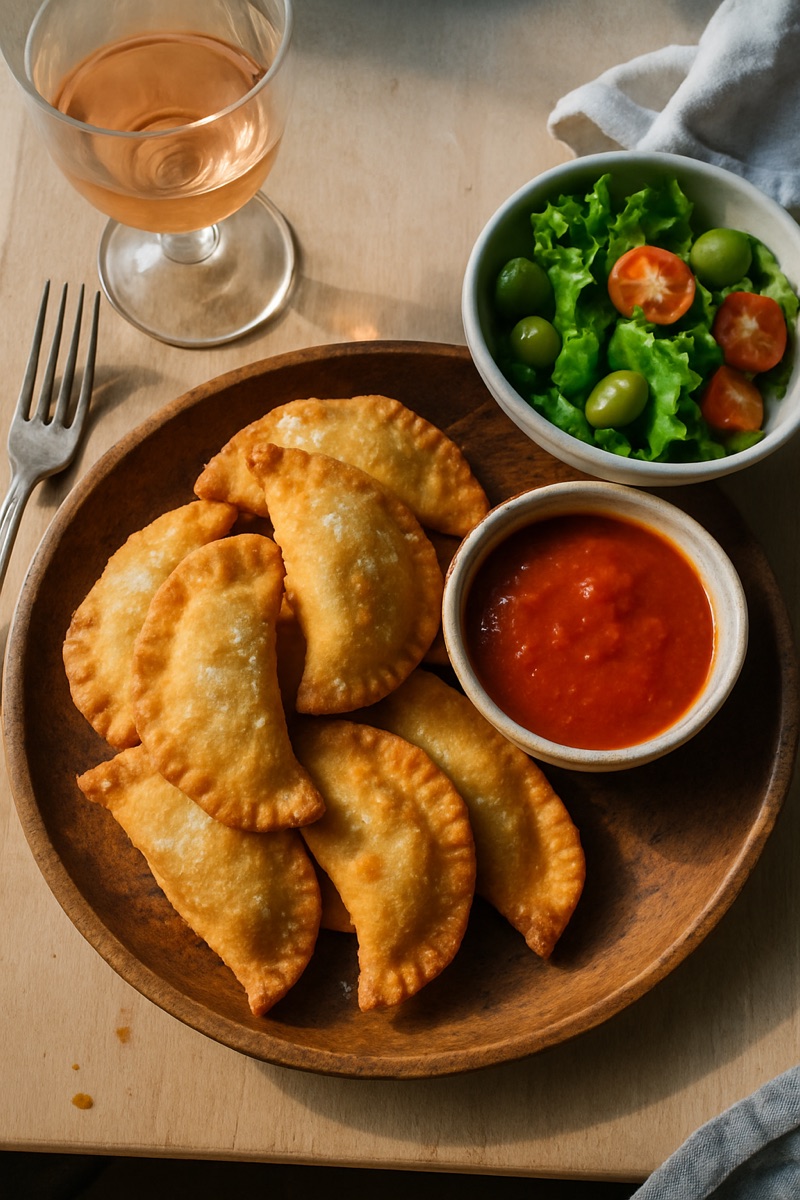
What is a barbagiuan?
A barbagiuan is a half-moon of dough, about 8 cm across before folding, stuffed with greens and cheese and deep-fried until blistered. It is eaten warm, with the fingers, as a starter or a snack. In Monaco you find it at the market of La Condamine and as a starter in local restaurants.
The name means "Uncle John" in Monégasque and western Ligurian. The story told in Monaco is that a man named Jean had no sauce for his ravioli, so he stuffed them with Swiss chard and fried them instead. It is a folk tale, not a documented origin, and it is told as such.
What is in a barbagiuan?
Our barbagiuan recipe follows the Monégasque version:
- a dough of plain flour, egg, olive oil, salt and warm water, kneaded 10 minutes and rested 1 hour
- Swiss chard leaves, sweated with onion and leek until the pan is dry
- ricotta and grated parmesan
- a little boiled rice to bind the filling
- one egg, salt and black pepper
How barbagiuan is made
The chard is cooked down, cooled and then squeezed by hand until no water is left. This is the step that decides everything: wet filling makes the parcels burst in the hot oil.
The dough is rolled out to 1 to 2 mm, cut into rounds, filled with a teaspoon of the mixture, folded and sealed with a fork. The parcels fry at 170 °C for 2 to 3 minutes a side. Puff pastry is not used: the shell has to stay thin and crisp.
Other fillings exist. Pumpkin, minced cooked meat, leeks or egg all turn up in family versions, but chard and ricotta are the classic pair.
Is the barbagiuan really from Monaco?
Honestly, Monaco shares it. The barbagiuan is found in Monaco, in the western part of Liguria in Italy, where it is called barbagiuai, and in the eastern part of the French Riviera. Monaco's cooking as a whole sits between Provençal and Italian cooking, and many of its dishes are also eaten in Nice.
What makes it Monégasque is the place it holds in the calendar. It was traditionally made during Lent and is now eaten all year, but above all on 19 November, the Principality's national day. A Fête du Barbagiuan, with cooking demonstrations, has been organised by A Roca, an association that promotes local food.
It also has a rival. In 1918 the Monégasque historian Louis Notari wrote about the local fougasse, a sweet bread flavoured with orange blossom, brandy and almonds, as an authentic national food that needed preserving, and it is still sometimes called Monaco's national dish. For the neighbours' answers, see the national dish of France and the national dish of Italy.
Monaco's food calendar
Much of traditional Monégasque cooking is tied to a date rather than a restaurant menu. That is the best way to understand why the barbagiuan, a simple fritter, ended up as the national dish:
- 19 November, national day: barbagiuan
- Every Friday: stocafi, the traditional Friday lunch
- Ash Wednesday: a chickpea soup with garlic, sage and bay leaves
- Lent: barbagiuan, in its original role
- Christmas: brandaminciun (a salt cod dish), cardoons in béchamel, apple fritters and fougasse, with the leftover fougasse dough shaped into dolls for children
Other dishes to know from Monaco
Stocafi is the traditional Friday lunch in Monaco: stockfish, cod dried in the open air until hard as wood, soaked for two to three days, then simmered gently in tomato and white wine with black olives, capers and potatoes. Salted or fresh cod is a different dish. The water is changed morning and evening during the soak, and the stew must never boil, or the flesh shreds. Taste before salting: the fish brings its own salt.
Socca is a thin sheet of chickpea-flour batter and olive oil baked on a smoking copper or steel plate until charred in spots, then torn up, peppered and eaten standing. The batter is whisked as thin as cream, sieved and rested for an hour, and the oven runs as hot as it will go, about 280 °C, for 5 to 8 minutes. It is the same family as the socca of Nice and the farinata of Liguria.
All three recipes, with step-by-step methods, are on our page about the food of Monaco. For the cooking around it, see our guide to Western European food.
The recipes
- Barbajuan🇲🇨 Monaco · 2 hours and 30 minutes
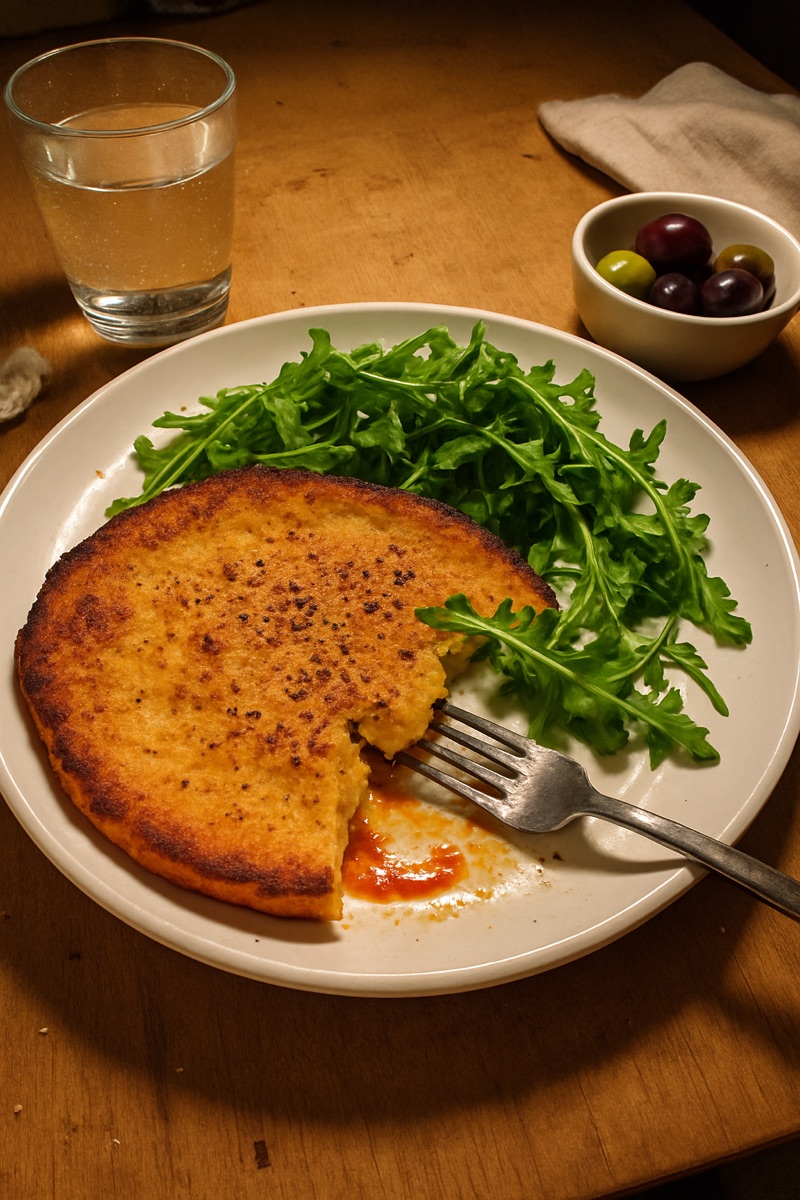 Socca🇲🇨 Monaco · 1 hour and 30 minutes
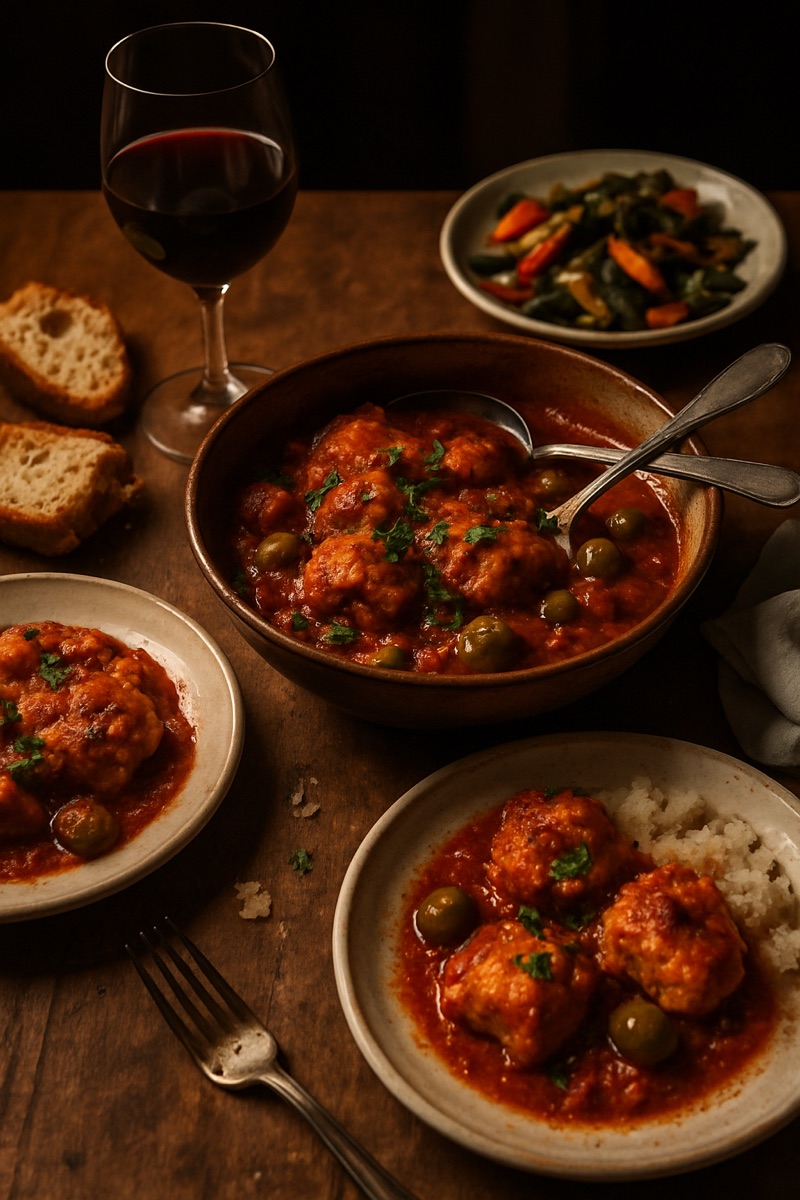 Stocafi🇲🇨 Monaco · 2 days and 14 hours
Questions people ask
Does Monaco have an official national dish?
No law names one, but the barbagiuan is the dish Monaco itself presents as national and eats on national day, 19 November. The local fougasse is sometimes named too.
Is barbagiuan Italian or Monégasque?
Both. It is made in Monaco, in western Liguria (as barbagiuai) and on the eastern French Riviera; Monaco has made it the dish of its national day.
What does barbagiuan mean?
It means "Uncle John" in Monégasque and western Ligurian.
When do people eat barbagiuan in Monaco?
Above all on 19 November, Monaco's national day. It was once a Lenten dish and is now eaten all year as a starter or snack.
What is stocafi?
Stocafi is Monaco's stew of stockfish, air-dried cod soaked for days, cooked in tomato with olives. It is the traditional Friday lunch.
Keep reading
- Traditional food of Monaco: 12 dishes to know
- What is the national dish of Andorra?
- What is the national dish of Austria?
- What is the national dish of Belgium?
- What is the national dish of Cyprus?
- What is the national dish of France?