 COPPER
Traditional food of Monaco: 12 dishes to know
Traditional Monégasque food is Riviera cooking built on olive oil, Swiss chard, chickpeas, anchovies, salt cod and stockfish, shaped by Provence and Liguria. Most of it is shared with Nice and western Liguria; what is Monégasque is the calendar it follows. The most emblematic dishes are barbagiuan, stocafi, socca and the sweet fougasse monégasque.
What Monaco food is built on
Monaco's cooking is Mediterranean, shaped by Provence and by the northern Italian and southern French kitchens around it. Olive oil, fresh vegetables and seafood come first. Lamb is the meat used most, often roasted with herbs, while beef usually goes into slow stews called daubes. Almonds, chestnuts, walnuts, anise, honey and orange blossom fill the pantry. Monaco is not cheese country, but Banon, a small goat cheese wrapped in chestnut leaves, is a popular choice.
In 1918 the historian Louis Notari wrote that olive, lemon and orange trees were central to Monégasque food, and he worried that the principality's traditions would vanish as its fields gave way to buildings. Since the Monte Carlo Casino opened in the 19th century, Monaco has also been known for grand hotel dining and Michelin stars, which is a different story from the home cooking below.
One honest point before the list: almost every traditional dish of Monaco is also eaten in Nice or western Liguria. What makes them Monégasque is the date they belong to, from Friday lunch to national day. The dish Monaco treats as its own is covered in our article on the national dish of Monaco.
Savoury classics
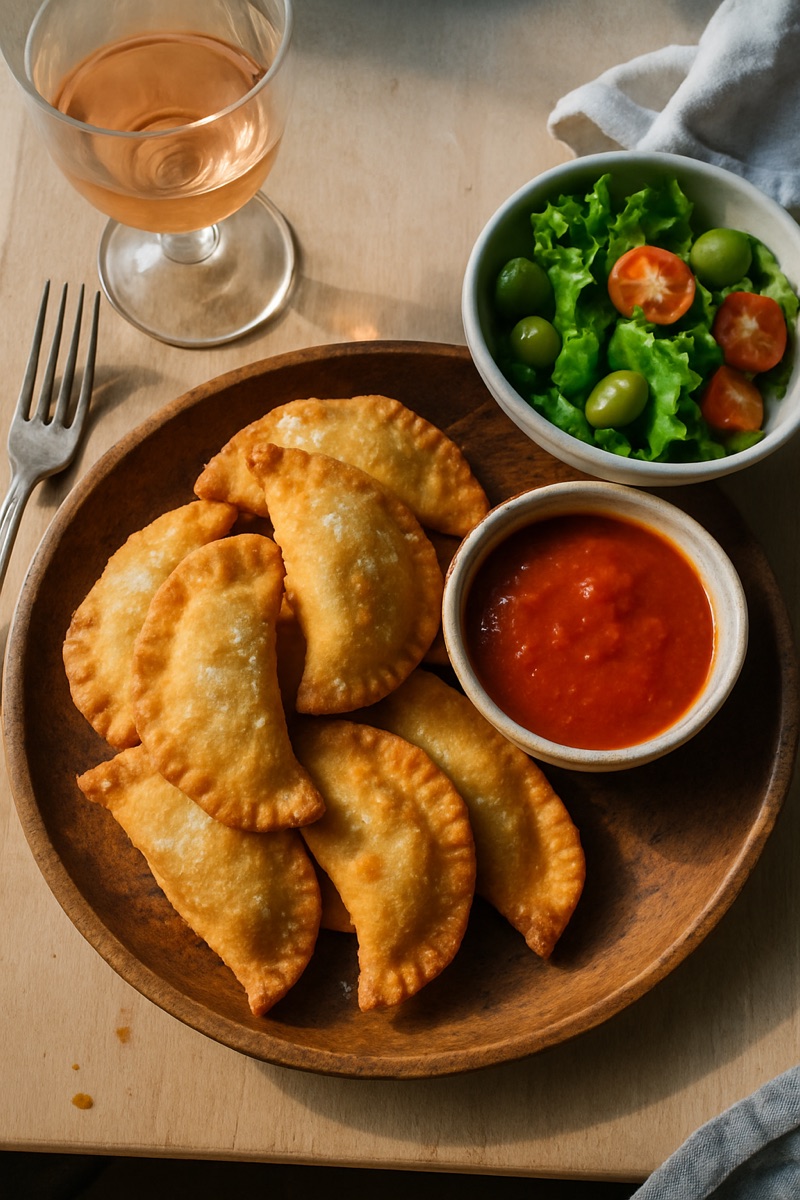
- Barbagiuan — A small fried turnover of thin olive-oil dough filled with Swiss chard, ricotta, parmesan and a little rice. The name means "Uncle John" in Monégasque, and pumpkin, egg or minced meat fillings also exist. It was a Lenten dish, is now eaten all year as a starter, and is the dish of national day, 19 November. Make it with our barbagiuan recipe.
- Stocafi — Stockfish, cod dried hard in the open air, soaked for days and stewed with olive oil, onion, garlic, tomato, white wine and black olives. It is the traditional Monégasque lunch every Friday of the year. Historically, the poor Friday dish was made with anchovies and vinegar instead. Follow our stocafi recipe.
- Socca — A thin sheet of chickpea flour and olive oil batter baked on a very hot oiled copper plate until charred in spots, then torn up and peppered. It is the same family as the socca of Nice and the farinata of Liguria. See our socca recipe.
- Tourte de blettes — A Swiss chard pie made two ways. The savoury one, served as a starter, holds chard, rice, salt pork and parmesan; the sweet one, served as dessert, mixes the chopped leaves with raisins, pine nuts and ground almonds under a dusting of icing sugar. It is a speciality of Nice as well.
- Pissaladière — A thick bread dough topped with onions cooked almost to a purée, black olives and anchovies. It comes from Provence and Nice, and it appears on lists of Monaco's common dishes because the whole coast eats it.
Dishes of the Monégasque calendar
Many Monégasque dishes are eaten on one particular day, often a religious one, rather than ordered from a menu.
- Chickpea soup of Ash Wednesday — The traditional midday meal on Ash Wednesday is a chickpea soup flavoured with garlic, sage and bay leaves, the opening of Lent.
- Pasqualina — A layered Swiss chard pie that is often the centrepiece of Easter lunch, eaten after church with roast kid. It is the same pie as the torta pasqualina of Liguria.
- Brandaminciun — A salt cod dish prepared with garlic and olive oil, sometimes with cream, and served at the Christmas meal. Western Liguria has a close relative, brandacujun, a purée of stockfish, potatoes and olive oil.
- Cardu — Cardoons, the thistle-like cousin of the artichoke, served in a bechamel sauce at the Christmas meal.
Breads and sweets
- Fougasse monégasque — A sweet bread or biscuit flavoured with orange blossom and topped with almonds and nuts; anise, raisins and brandy also appear in recipes. Notari called it an authentic national food in 1918, and it is still sometimes named Monaco's national dish. It is eaten at Christmas, and the leftover dough is shaped into dolls for children, the mariote e gali.
- Cannestreli — Easter pastries sold by street vendors, in which red-dyed hard-boiled eggs are wrapped in a lattice of pastry so that they look like little woven baskets.
- U pan de Natale — The round Christmas loaf, marked with four walnuts in the shape of a cross, with sprigs of olive and orange tree placed in its centre. It stays at the middle of the table until Epiphany, surrounded by thirteen desserts that are kept filled: grapes, nuts, dried fruit, citrus, fritters, pears and apples.
Monaco, Nice or Liguria?
Monaco covers about 2 square kilometres, so its food could hardly be separate from that of its neighbours. The barbagiuan is barbagiuai in western Liguria, socca is the farinata of Liguria, chard pie is a symbol of Nice, and stockfish stews are cooked all along the coast. Lists of Monégasque food also include pan-bagnat, salade niçoise and red mullet à la niçoise, which are plainly dishes of Nice.
What belongs to Monaco is the way these dishes are tied to its own dates: stocafi on Fridays, barbagiuan on 19 November, the olive branch dipped in wine before Christmas dinner. To see the two kitchens Monaco borrows from, read our guides to the traditional food of France and the traditional food of Italy.
Cook Monégasque food at home
Barbagiuan, stocafi and socca have full step-by-step recipes in Copper, with the step that decides each one: a dry chard filling, a long soak for the stockfish, and an oven as hot as it will go for the socca. They are all on our page about the food of Monaco.
For the wider family of kitchens around the principality, see our guide to Western European food.
The recipes
- Barbajuan🇲🇨 Monaco · 2 hours and 30 minutes
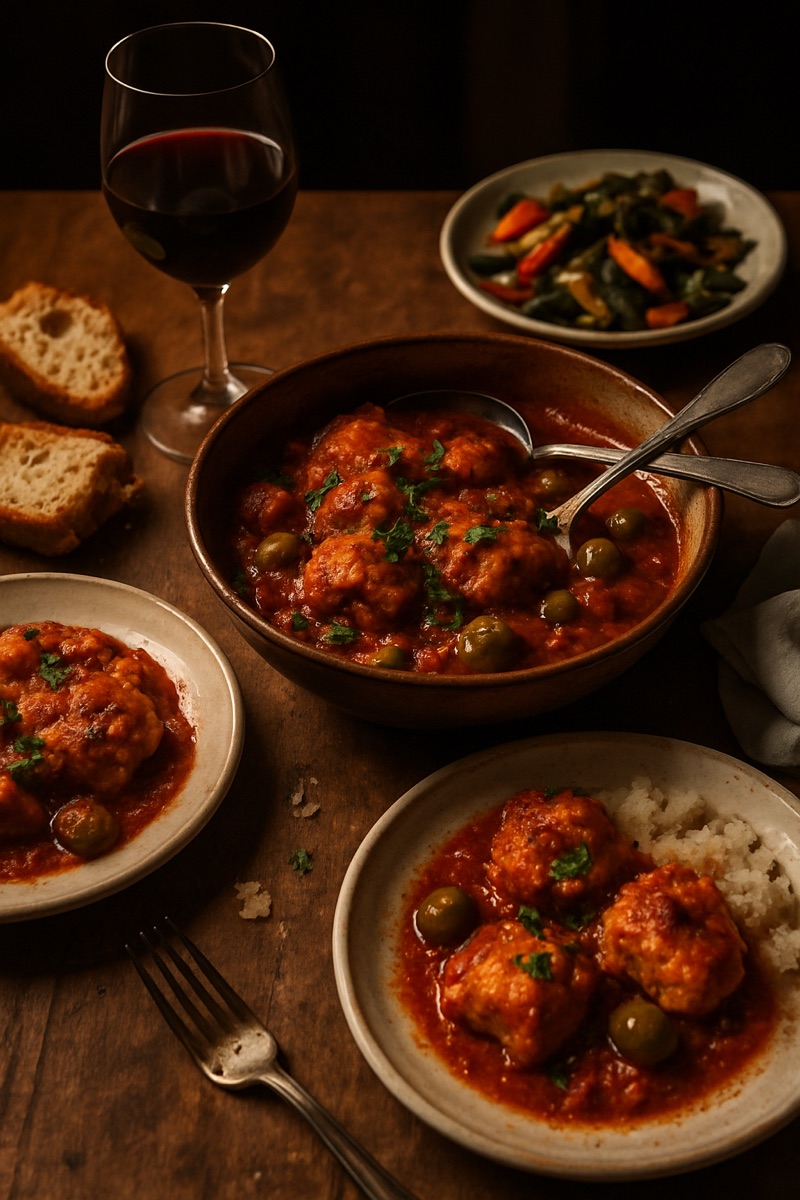 Stocafi🇲🇨 Monaco · 2 days and 14 hours
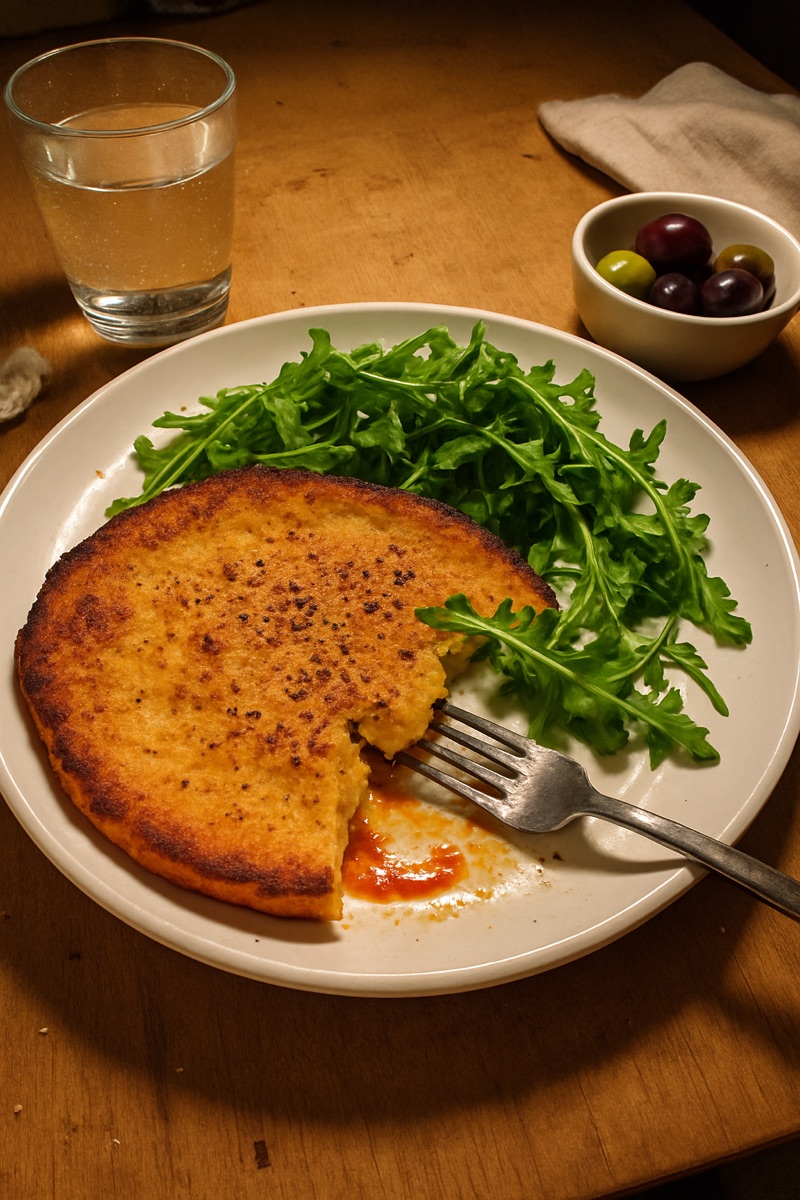 Socca🇲🇨 Monaco · 1 hour and 30 minutes
Questions people ask
What is the most popular food in Monaco?
The barbagiuan, a fried chard and ricotta turnover, is the dish most tied to Monaco. Stocafi, socca and the Swiss chard pie are the other everyday classics.
What do people in Monaco eat on Fridays?
Stocafi, a stew of stockfish with tomato, white wine and black olives, is the traditional Friday lunch in Monaco.
Is Monégasque food French or Italian?
Both. It is Mediterranean cooking shaped by Provence and northern Italy, and most of its dishes are also eaten in Nice and western Liguria.
What do people in Monaco eat for breakfast?
A fresh baguette from the local bakery is the usual choice, sometimes with croissants or pain au chocolat, orange juice or coffee.
Is Monaco food spicy?
No. It relies on olive oil, herbs, garlic, anchovies and olives rather than chilli.
Keep reading
- What is the national dish of Monaco?
- Traditional food of Andorra: 13 dishes to know
- Traditional food of Austria: 13 dishes to know
- Traditional food of Belgium: 13 dishes to know
- Traditional food of Cyprus: 12 dishes to know
- Traditional food of France: 13 dishes to know