 COPPER
Traditional food of the United Arab Emirates: 12 dishes to know
Emirati food grew out of three diets: the Bedouin diet of meat and camel milk, the fisherman's diet of Gulf fish and the farmer's diet of dates. Meat, fish and rice are the staples, often cooked in one pot and scented with saffron, cardamom, turmeric and dried lime. The most emblematic dishes are machboos, harees, thareed and luqaimat.
What Emirati food is built on
Emirati cuisine is part of the wider Eastern Arabian kitchen and shares many dishes with Oman and Saudi Arabia. It blends three ways of eating: the Bedouin diet of meat and camel milk, the fisherman's diet of fish from the Gulf, and the farmer's diet built on dates. Date palms have been grown in the area since the mid-third millennium BC, and date seeds have been found at Umm al-Nar sites.
Seafood has been the mainstay of the Emirati diet for centuries. Lamb and mutton are preferred to goat, beef and camel; camel is prized for its milk and for transport, so its meat is normally kept for special occasions. Vegetables that grow in the heat, such as cucumbers and tomatoes, go into many dishes. Rice arrived with traders, and dishes are often stews, because everything is cooked in a single pot. Saffron, cardamom, turmeric, thyme and dried lime are the core aromas.
Rice, wheat and one-pot dishes
Other dishes often eaten in the UAE include maqluba, rice and meat cooked with vegetables and turned out upside down, along with fireed, frsee'ah, jisheid and mashwi. Biryani and mandi are common too. Pork is forbidden under Islamic law and absent from most menus, and alcohol is generally served only in hotel restaurants and bars.
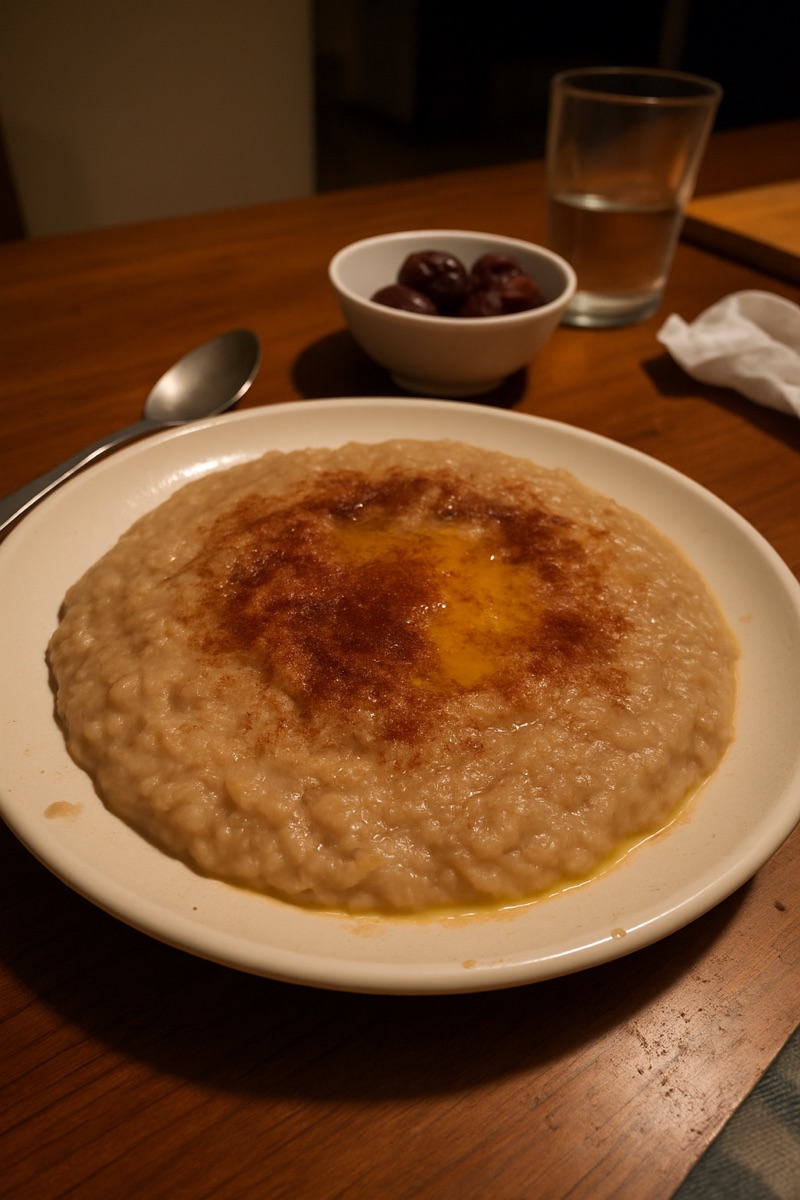
Harees is served in large shared dishes and, as UNESCO describes it, traditionally eaten with the thumb and forefinger while sitting on one knee. It is eaten at breakfast and dinner, cooked in large quantities for the pilgrimage season, and the know-how is passed down from mothers to daughters. Our recipe simmers the wheat with chicken for three to four hours, then beats it with a wooden pestle for 15 to 20 minutes.
- Machboos — The everyday rice dish of the Emirates. Meat is cooked with spices, onion, dried lime (loomi), salt and water, and the rice then cooks in that broth. Our version uses chicken and the bezar spice blend, with whole dried limes crushed into the rice at the end.
- Harees — Wheat grain, meat and ghee cooked for hours, then beaten into a smooth porridge. It is eaten above all during Ramadan, for weddings and when honouring guests, and in 2023 UNESCO inscribed the harees tradition of the UAE, Oman and Saudi Arabia as intangible cultural heritage.
- Thareed — Thin regag bread torn into a dish and soaked with a broth of meat or chicken and cooked vegetables. It is a bread soup known across the Arab world and a common Ramadan dish.
- Saloona — A stew made with whatever meat or fish and vegetables the cook has, simmered with spices in a thin broth. It is ladled over white rice, and it is one of the stews listed among the dishes of Emirati cuisine.
- Marqouq — A stew of chicken, golden fried onion, tomatoes, vegetables, black pepper and dried lime, cooked with thin pieces of rolled-out flour dough that soften in the sauce.
- Shuwa — Meat marinated in spices, wrapped and slow-cooked in a pit dug in the ground. It is a festive dish shared with Oman, made for big occasions rather than for everyday meals.
Breakfast and breads
Khubz al-muhallaa is a sweeter griddle bread: spread with ghee, topped with egg and served with honey.
- Regag, khameer and chebab — The breakfast breads of the Emirates, served with cheese, date syrup or eggs. They were cooked on a curved hot plate like the one the Bedouins used. Regag is a thin, crisp bread; it is also the bread that goes into thareed.
- Balaleet — Vermicelli cooked with sugar, cardamom, saffron and cinnamon until golden, then topped with a fried egg or a thin omelette. It is a breakfast dish that, by Wikipedia's account, arrived with the traders who brought pasta to the region.
Sweets, coffee and dates
- Luqaimat — Small balls of yeast batter fried until crisp and hollow, then drizzled with date syrup or honey; some cooks roll them in sesame seeds. Our recipe flavours the batter with saffron and cardamom.
- Khabeesa — A sweet of roasted flour cooked with water, sugar, saffron and fat, sometimes with dates, then left covered to set.
- Bathitha — Roasted flour or semolina worked with crushed dates, cardamom and clarified butter into a crumbly sweet.
- Gahwa and dates — Arabic coffee, brewed with cardamom and sometimes saffron, is offered with dates when a guest arrives and is kept available throughout the visit. At the end of the meal, red tea with mint is usually served.
Desert, coast and city
The three old diets still shape the menu: fish from the coast, dates from the oases and the meat and camel milk of the desert. Archaeologists have found grinding stones and fired clay ovens at early sites, a sign that grain was processed and bread baked thousands of years ago. Leaves of native trees such as the ghaf were once used to stuff small birds for flavour.
Today the Emirates are a major international hub, and cities such as Dubai serve food from all over the world; the first Dubai Food Festival in 2014 featured cuisines of more than 200 nationalities. The best-known new Emirati sweet is Dubai chocolate, a bar filled with pistachio, tahini and kanafeh pastry that became popular worldwide after 2024.
Cook Emirati food at home
Harees is the dish with the strongest claim to be the national dish of the United Arab Emirates, with machboos and shuwa also named. Copper has full recipes for harees, machboos and luqaimat, with ingredients and step-by-step methods, on our page about the food of the UAE, alongside other Middle Eastern recipes.
Harees, machboos and shuwa are shared across the Gulf. Compare with the traditional food of Oman and the traditional food of Saudi Arabia.
The recipes
- Harees🇦🇪 United Arab Emirates · 16 hours and 30 minutes
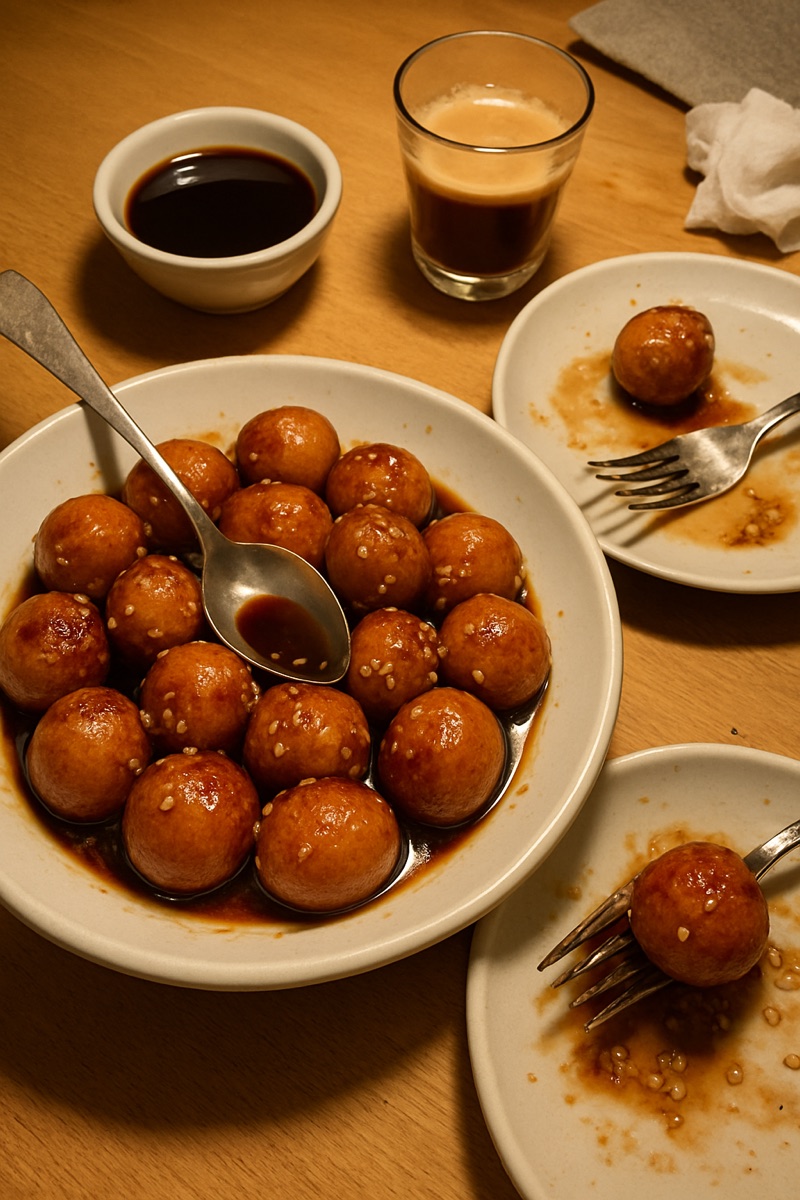 Luqaimat🇦🇪 United Arab Emirates · 1 hour and 40 minutes
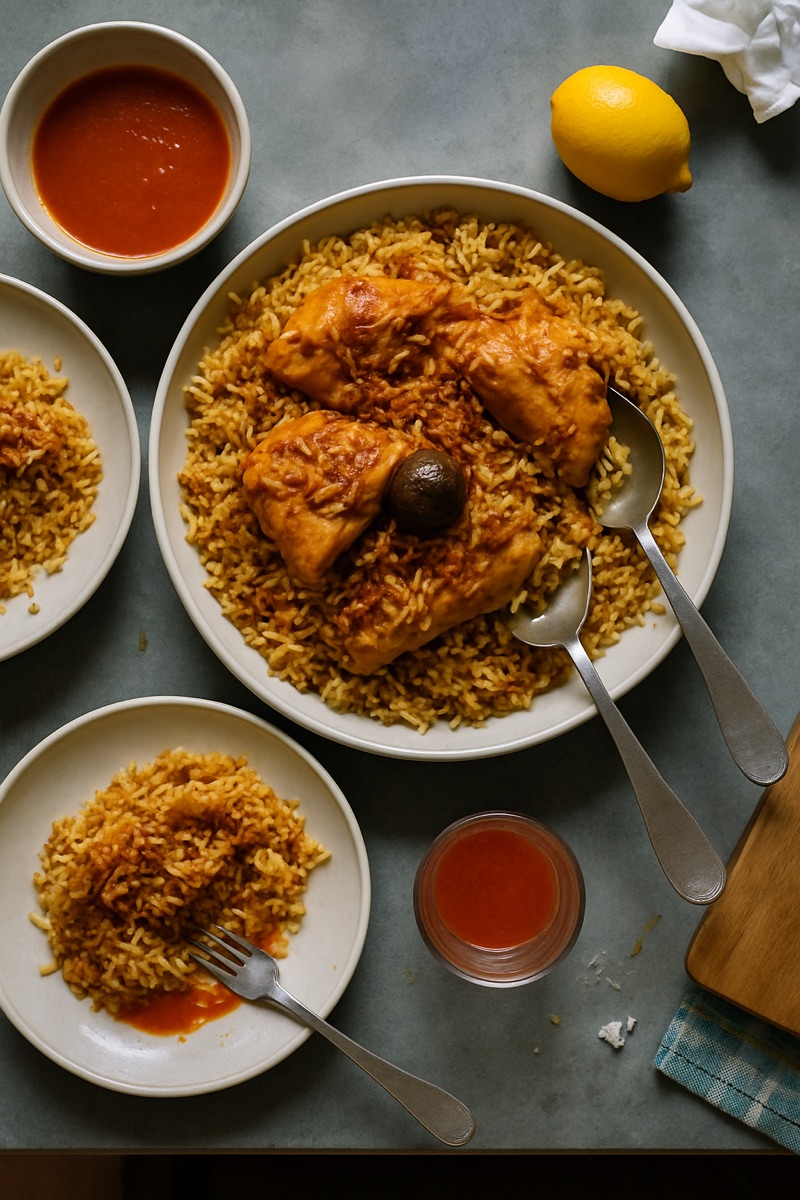 Machboos🇦🇪 United Arab Emirates · 1 hour and 50 minutes
Questions people ask
What is the most popular food in the UAE?
Machboos, rice cooked in a spiced meat broth with dried limes, is the everyday favourite. Harees is the dish of Ramadan and weddings, and luqaimat are the best-known sweet.
What do Emiratis eat for breakfast?
Breads such as regag, khameer and chebab with cheese, date syrup or eggs, and balaleet, sweet saffron vermicelli topped with an egg.
Is Emirati food spicy?
Not usually. Emirati cooking is built on aroma rather than heat: saffron, cardamom, turmeric and dried lime are the core flavours.
What is the national dish of the UAE?
No dish is official, but harees has the strongest claim, backed by its 2023 UNESCO inscription. Machboos and shuwa are also often named.
What do people drink in the UAE?
Arabic coffee (gahwa) with cardamom, served with dates to every guest, and tea, often with mint or saffron. Laban and camel milk are traditional too.
Keep reading
- What is the national dish of the United Arab Emirates?
- Traditional food of Bahrain: 13 dishes to know
- Traditional food of Iran: 14 dishes to know
- Traditional food of Iraq: 13 dishes to know
- Traditional food of Israel: 14 dishes to know
- Traditional food of Jordan: 13 dishes to know