 COPPER
Traditional food of Iraq: 13 dishes to know
Iraqi food is built on rice, bulgur, flatbread, lamb and river fish, with eggplant, tomato, dates, tamarind and pomegranate. Stews are served over aromatic rice, and many dishes balance sour and sweet. The most emblematic dishes are masgouf, dolma, kubba and quzi, with kahi and geymar for breakfast.
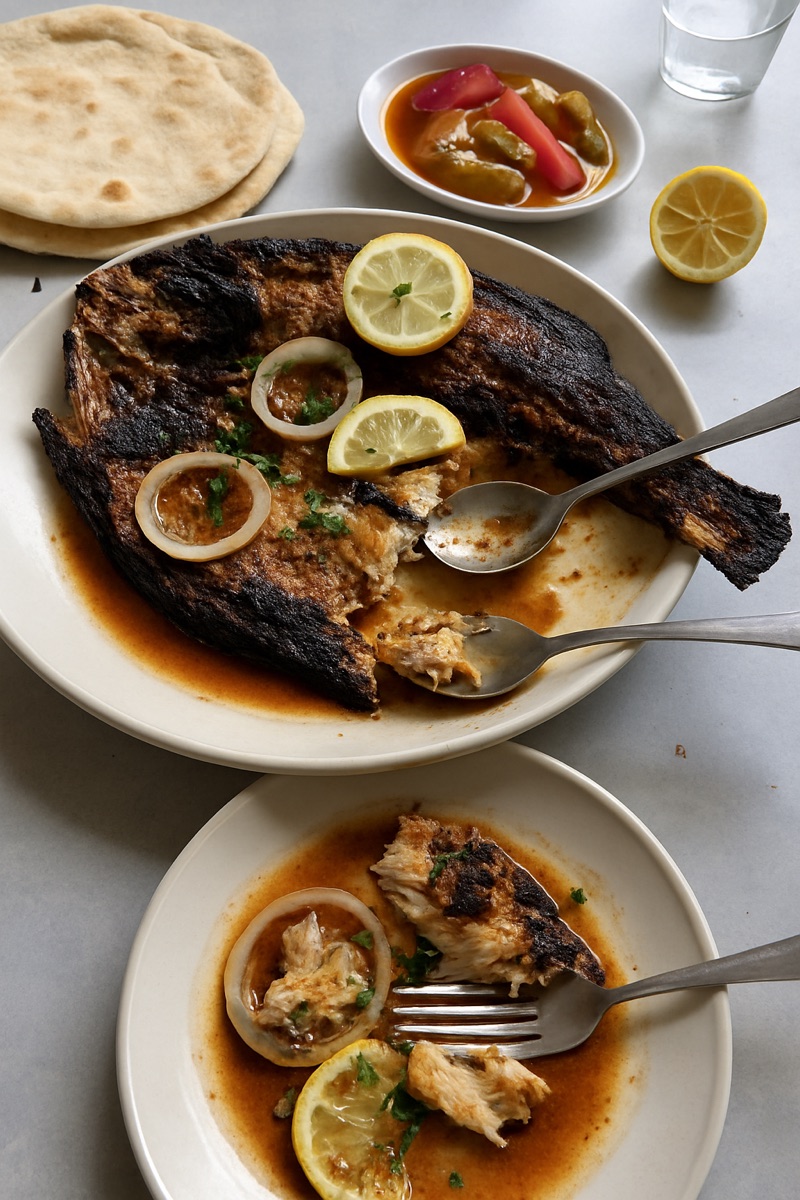
What Iraqi food is built on
Iraqi cooking goes back to Mesopotamia: clay tablets from Babylon, written around 1700 BC, hold stew recipes with leeks, onion, garlic, cumin, coriander and mint, and the kitchen of Baghdad reached its peak under the Abbasid caliphs. Lamb is the favourite meat, alongside chicken, beef and fish. Most dishes come with rice, usually timman anbar, an aromatic long-grain rice from the Middle Euphrates, and Iraqi cooks prize the hikakeh, the crisp crust at the bottom of the pot, which is broken up and shared out. Iraqis call rice temmen, a word a popular story traces to "Ten Men", a brand of Indian basmati the British imported for their troops in Basra after the First World War.
Bulgur has been a staple since Assyrian times, and flatbread is served at every meal with dips, cheese, olives and jams. Tamarind, date syrup, pomegranate, dried lime, cardamom and the spice mix baharat give the food its sour, sweet and warm notes. Meals often open with mezza, small cold dishes and salads, and end with seasonal fruit rather than pastries, which are kept for holidays. A typical mezza has Iraqi sumac salad, baytinijan maqli (fried eggplant with tahini, parsley and tomatoes), turshi pickles, hummus and baba ghanoush.
Rice, fish and stuffed dishes
- Masgouf — A river carp split down the back, opened flat, brushed with olive oil, tamarind, turmeric and salt, then roasted for hours standing upright beside fruit-wood embers. It is served with flatbread, lemon, onion, tomatoes and pickles, and is the dish most often called Iraq's national dish.
- Quzi — Lamb cooked very slowly and served over rice with roasted nuts and raisins. For feasts, a whole lamb is stuffed with rice, vegetables, spices and nuts and slow-cooked in a closed oven; it is counted among Iraq's national dishes.
- Dolma — Zucchini, eggplants, onion shells and grape leaves filled with rice and minced lamb, cooked over lamb ribs in a sour broth of tamarind and pomegranate molasses, then turned out of the pot in one piece. Iraqis usually serve it without yogurt.
- Kubba — A shell of fine bulgur kneaded with minced beef, filled with lamb, onion, baharat, pine nuts and raisins, and fried into a pointed oval. Iraq also makes kubba baked, poached, flat or as balls, and with rice instead of bulgur.
Stews and soups
Other everyday stews follow the same pattern of meat, vegetables and tomato over rice: fasolia yabsa, white beans with lamb or veal, and margat baytinijan, eggplant with minced meat. Shorbat rumman is a pomegranate soup with yellow split peas, minced beef and mint.
- Tepsi baytinijan — An eggplant casserole: slices of fried eggplant are layered in a baking dish with meatballs, tomatoes, onions and garlic, covered with potato slices and baked. Like most Iraqi stews, it is eaten with rice, salad and pickles.
- Margat bamia — Okra cooked with cubes of lamb or beef in tomato sauce and served over rice. Stews like it, served over rice, are a major part of Iraqi cooking; Iraqi Jews add semolina kubba to make kubbah bamia.
- Qeema — A stew of minced meat, tomato and chickpeas served with rice. It is cooked for the Ashura commemorations in southern Iraq, and is especially tied to the shrine cities of Najaf and Karbala.
- Pacha — Sheep's head, trotters and stomach boiled slowly and served with bread sunk in the broth. The stomach lining is stuffed with rice and lamb and sewn shut, and the cheeks and tongue are considered the best parts.
- Tashrib — A soup of lamb or chicken, with or without tomatoes, poured over pieces of Iraqi nan torn into a large bowl, so the bread soaks up the broth. It belongs to the old Arab family of bread soups known as tharid.
Breakfast, bread and sweets
Tea, chai, is drunk all day, especially in the morning and after meals; it is boiled, then set over a second pot of boiling water to infuse. Laban, yogurt mixed with cold water and a pinch of salt or dried mint, and bitter Arabic coffee are the other everyday drinks.
- Kahi with geymar — Kahi is a flaky layered pastry, fried or baked, covered with syrup, honey or date syrup and eaten with geymar, a thick cream made from buffalo or cow's milk. It is Baghdad's classic breakfast: kahi shops start baking after the dawn prayer and sell out before noon, and Iraqis eat it on the first morning of Eid.
- Samoon — One of Iraq's most widespread breads, a yeast bread shaped into a diamond and baked in a very hot stone or brick oven, with a crunchy crust and a soft inside. It is eaten with hummus, kebab and shawarma, and stuffed with falafel and amba, a tangy mango pickle.
- Kleicha — Cookies flavoured with cardamom and sometimes rose water, made in several shapes: filled with dates (kleichat tamur), with nuts as half-moons (kleichat joz), or as plain discs. Families bake them for Eid al-Fitr and Eid al-Adha, and Iraqi Jews for Hanukkah.
- Zalabia — Rosette-shaped fritters, a local specialty said to take their name from Ziryab, the Iraqi musician of Córdoba, that appears alongside baklava at Eid al-Fitr, after Ramadan.
Regional Iraq
Iraqi food changes from north to south. In the north, cooks add pomegranate to their dolma, and in Mosul the pot mixes courgettes, tomatoes, onions, peppers, eggplant and grape leaves. The centre is known for its rice dishes and sweets, and Baghdad for masgouf grilled by the Tigris and kahi in the morning. In the south, fish is a staple, and the buffalo of the southern marshes give the rich milk used for geymar. In the shrine cities of Najaf and Karbala, qeema came with Iranian pilgrims and is now served at the communal meals of Muharram.
Cook Iraqi food at home
Masgouf is the dish most often called the national dish of Iraq. Copper has full recipes for masgouf, dolma and kubba, with ingredients and step-by-step methods, on our page about the food of Iraq, alongside other Middle Eastern recipes.
Iraq's stews, rice and kubba share roots with its neighbours. Compare with the traditional food of Syria and the traditional food of Iran.
The recipes
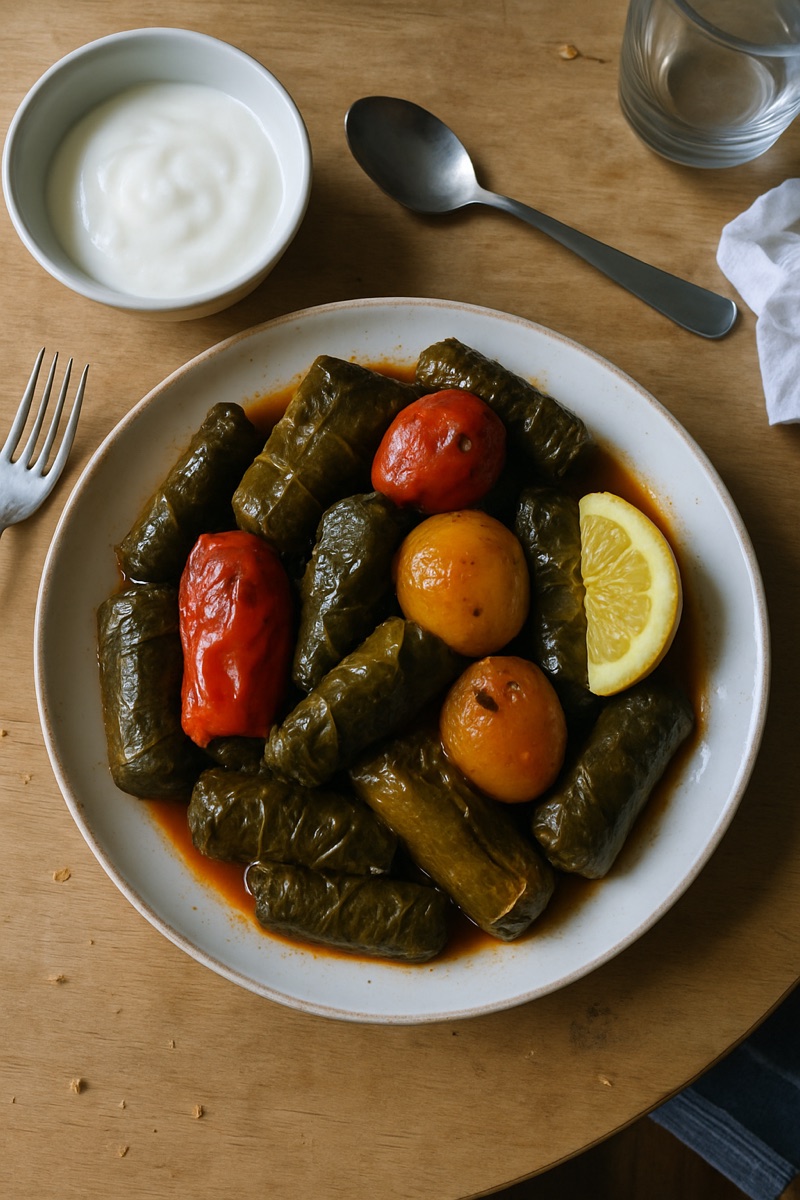 Dolma
Dolma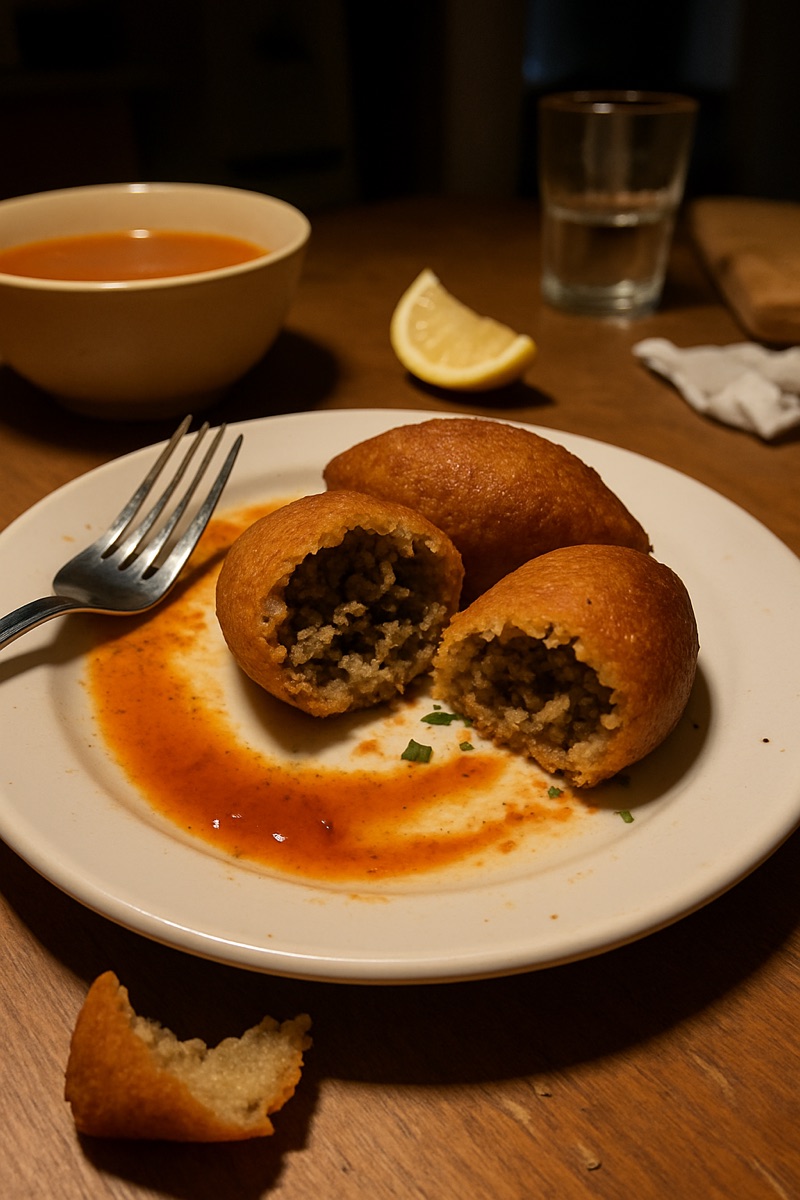 Kubba
KubbaQuestions people ask
What is the most popular food in Iraq?
Dolma, kubba and stews served over rice are the everyday staples. Masgouf, grilled river carp, is the best-known Iraqi dish and the one most often called the national dish.
What do Iraqis eat for breakfast?
The classic breakfast, especially in Baghdad, is kahi, a flaky pastry, with geymar, a thick buffalo or cow's milk cream, covered with date syrup or honey. Geymar is also eaten with bread, honey or jam.
What rice is used in Iraqi food?
Usually timman anbar, an aromatic long-grain rice grown in the Middle Euphrates region. Iraqis value the hikakeh, the crisp crust at the bottom of the pot.
What sweets do Iraqis make for Eid?
Kleicha, cardamom cookies filled with dates or nuts, are baked for both Eids. Baklava and zalabia, rosette-shaped fritters, are typical at Eid al-Fitr.
What is quzi?
Slow-cooked lamb served over rice with roasted nuts and raisins. For large feasts a whole lamb is stuffed with rice, spices and nuts and cooked in a closed oven.
Keep reading
- What is the national dish of Iraq?
- Traditional food of Bahrain: 13 dishes to know
- Traditional food of Iran: 14 dishes to know
- Traditional food of Israel: 14 dishes to know
- Traditional food of Jordan: 13 dishes to know
- Traditional food of Kuwait: 13 dishes to know