 COPPER
Traditional food of The Gambia: 13 dishes to know
Gambian food is Senegambian cooking from the Mandinka, Wolof, Serer and Jola peoples: rice or millet under stews of fish, peanut, okra, onion and lemon, seasoned with chilli and bitter tomato. Oysters from the River Gambia and smoked fish add the coast. The most emblematic dishes are domoda, benachin, yassa and supakanja, with attaya tea and wonjo to drink.
What Gambian food is built on
The Gambia's cooking is mainly that of four peoples, the Mandinka, Wolof, Serer and Jola, and it is close to Senegal's: the two countries share history, languages and most of their dishes, often under the same names. A few recipes arrived with immigrants from other West African countries during the British colonial era.
The common ingredients are fish, rice, peanuts (groundnuts), tomato, black-eyed peas, lemon, cassava, cabbage, potato, pumpkin, garden egg (aubergine), onion and chilli, plus local grains: millet, corn, findi (fonio) and thiere, a millet couscous. Bitter tomato, locust bean and smoked or dried fish give the sauces their depth. Oysters are gathered from the River Gambia, a harvest done by women.
Rice dishes and stews
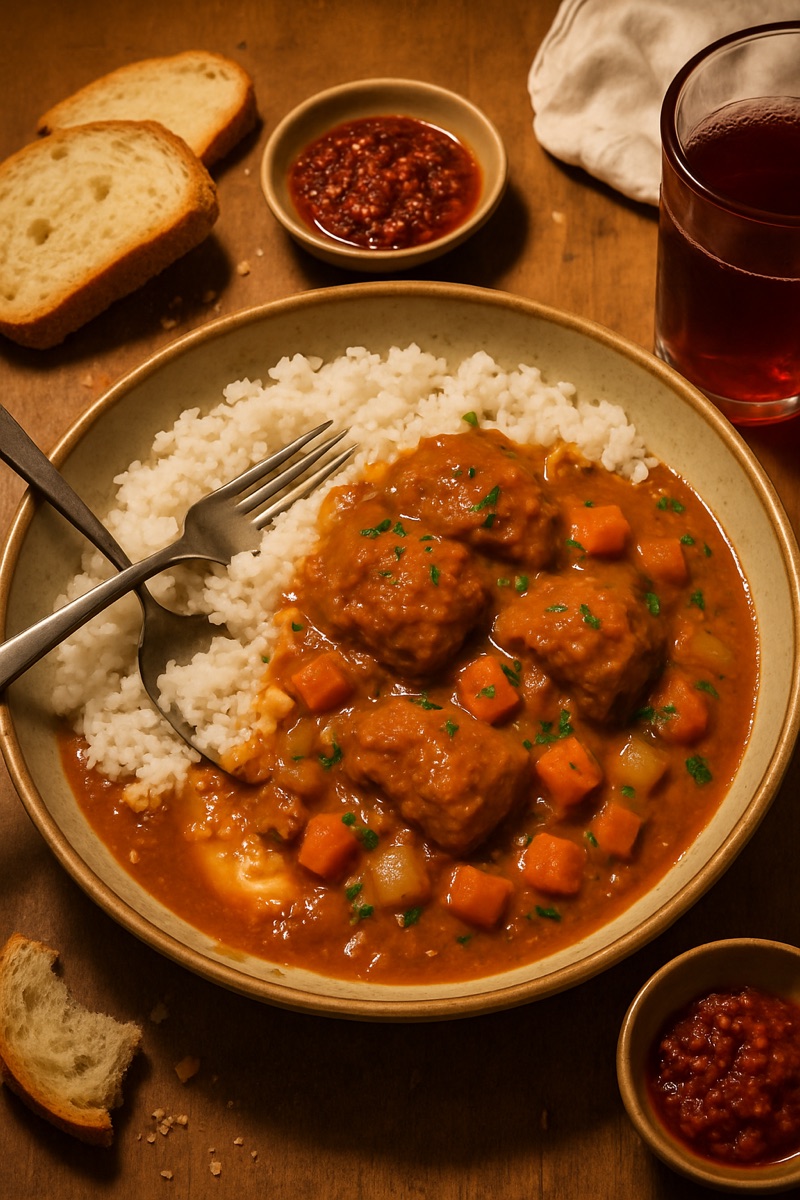
- Domoda — The national dish: meat or fish stewed in concentrated peanut paste with onion, fresh tomato, tomato paste and vegetables such as potato, carrot and cabbage, sharpened with lemon juice and served over white rice. The name is Mandinka, domo dàa, "eat pot". Domoda faring is a variation thickened with flour instead of peanut.
- Benachin — Wolof benna cin, "one pot": fish or meat and whole vegetables are stewed in a tomato base, lifted out, and the rice cooks in the same sauce. It is a version of Senegal's thieboudienne, and it can come with rangha bissap, a paste of boiled and pounded hibiscus leaves.
- Yassa — Chicken or fish with lemon or lime, mustard, garlic, chilli and a great deal of onion, served with rice. It is a Jola dish; the street version, made with bonga fish, onions, tamarind and lemon, is its precursor.
- Mbahal — Called nyankatang in Mandinka: smoked and salted fish cooked with groundnuts, locust bean or black-eyed beans, spring onion, fresh chillies and bitter tomato, mixed with white rice. It comes from the Serer kingdom of Saloum.
- Supakanja — Okra stew or soup made with palm oil, which may also hold smoked fish and beef, served with rice or fufu. Plasas looks similar but is made with spinach or potato leaves.
- Oyster stew — Sauci yohus: oysters or mussels stewed with peppers, tomatoes, onions, chilli, ginger, garlic and bay leaves, a Serer dish built on the river's shellfish.
- Caldo — A Serer dish of whole fish steamed with lemon, a variation of yassa.
Millet, bread and street food
Other street snacks include fish balls, fish ket (fried flour discs topped with grone soup, smoked fish marinated with onion and lemon), panket (fried dough balls made for naming ceremonies), meat pies, salted roasted groundnuts, groundnut cakes coated in ginger and sugar, roasted corn and unripe mango with spices.
- Chere — Steamed millet couscous, called saadj by the Serer, who grow the grain and prepare it. It is served with okra and leaf sauce (chere mbuum), peanut sauce (chere baasi gerte) or a meat, tomato and vegetable sauce (chere baasi salte). Because it takes so long to make, Serer women often sell it ready-made in the markets.
- Tapalapa — A dense, baguette-shaped bread of wheat flour, millet flour and black-eyed peas, baked in a tapalapa oven. It is split and stuffed with nyebbeh (black-eyed peas), fish, egg, potato or chocolate spread.
- Akara — Deep-fried fritters of ground black-eyed peas with salt, pepper and onion, often eaten for breakfast with tapalapa.
- Afra — Also called dibi: cubes of meat grilled with salt, black pepper, cayenne and stock cubes, a common street food.
Desserts and drinks
Attaya is sweet green tea brewed three times in a small kettle on a charcoal pot and poured from glass to glass. Wonjo, bissap in Wolof, is a cold drink of steeped roselle with sugar and mint. Bouyi is baobab juice with milk and sugar; frozen, it is sold as "ice" on the street and next to buses, and there are also strong ginger juice, tamarind juice, palm wine and kinkeliba, a herbal tea.
- Chakery — Wheat or millet couscous mixed with milk, sweetened condensed milk or yogurt, fruit and spices, eaten as a dessert or sweet breakfast.
- Lakh — Wolof lax, "milk": a sweet porridge of baobab fruit and millet, optionally topped with a sweet peanut, baobab and nutmeg sauce. The Serer serve it at religious festivals.
Dishes of The Gambia's peoples
Many dishes are identified with one community. The Serer gave the country chere, mbahal, oyster stew, caldo and kucha, a sour fish stew with hibiscus leaf, okra and locust bean, as well as ngourbane, peanut and millet cooked with lemon and pepper in the rainy season. The Jola eat yassa, the Fula cook futti (okra paste and vegetables on rice) and latchiri (millet or corn with milk or yogurt), and the Aku, the Creole community, make grone soup from smoked herring with onions, lemon and pepper. Domoda takes its name from Mandinka, and benachin from Wolof.
Cook Gambian food at home
Domoda is the national dish of The Gambia. Copper has full recipes for domoda, benachin and yassa, with ingredients and step-by-step methods, on our page about the food of The Gambia, and the dishes of the neighbouring countries are in our guide to West African food.
Most of these dishes cross the border under the same or other names: compare with the traditional food of Senegal.
The recipes
- Domoda🇬🇲 Gambia · 1 hour and 20 minutes
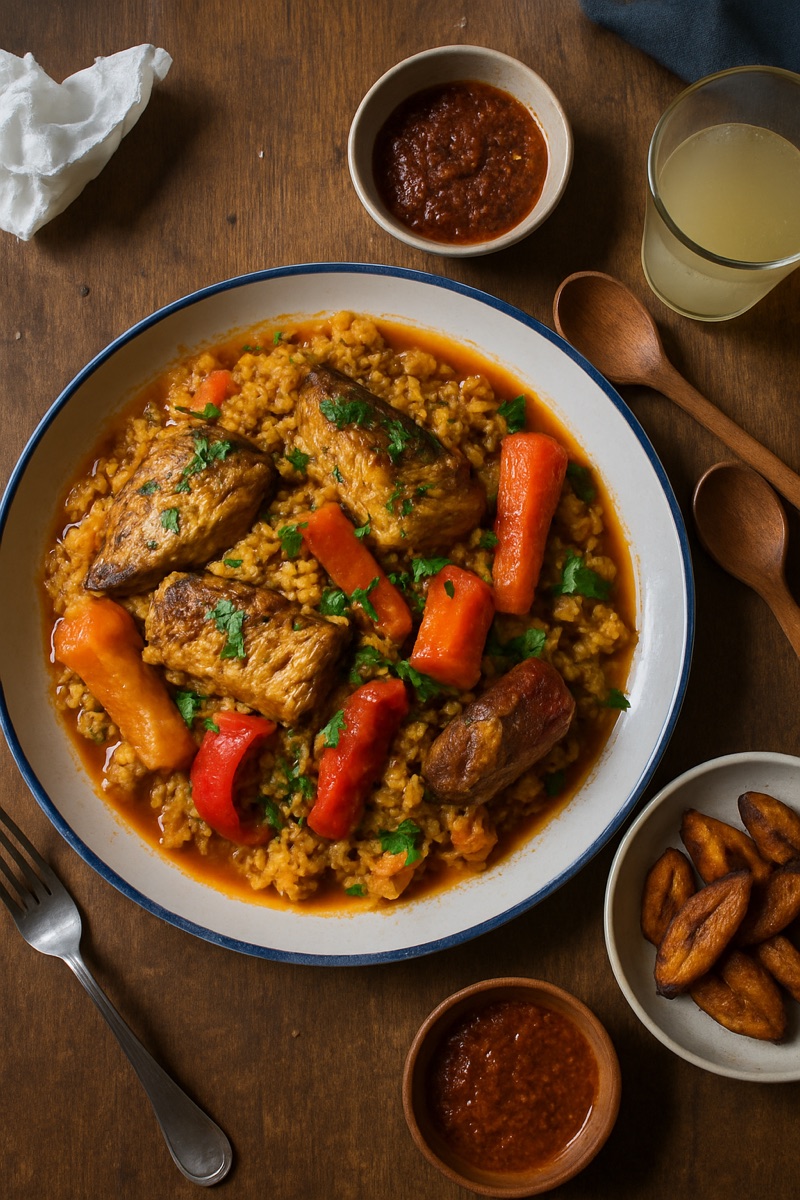 Benachin🇬🇲 Gambia · 1 hour and 35 minutes
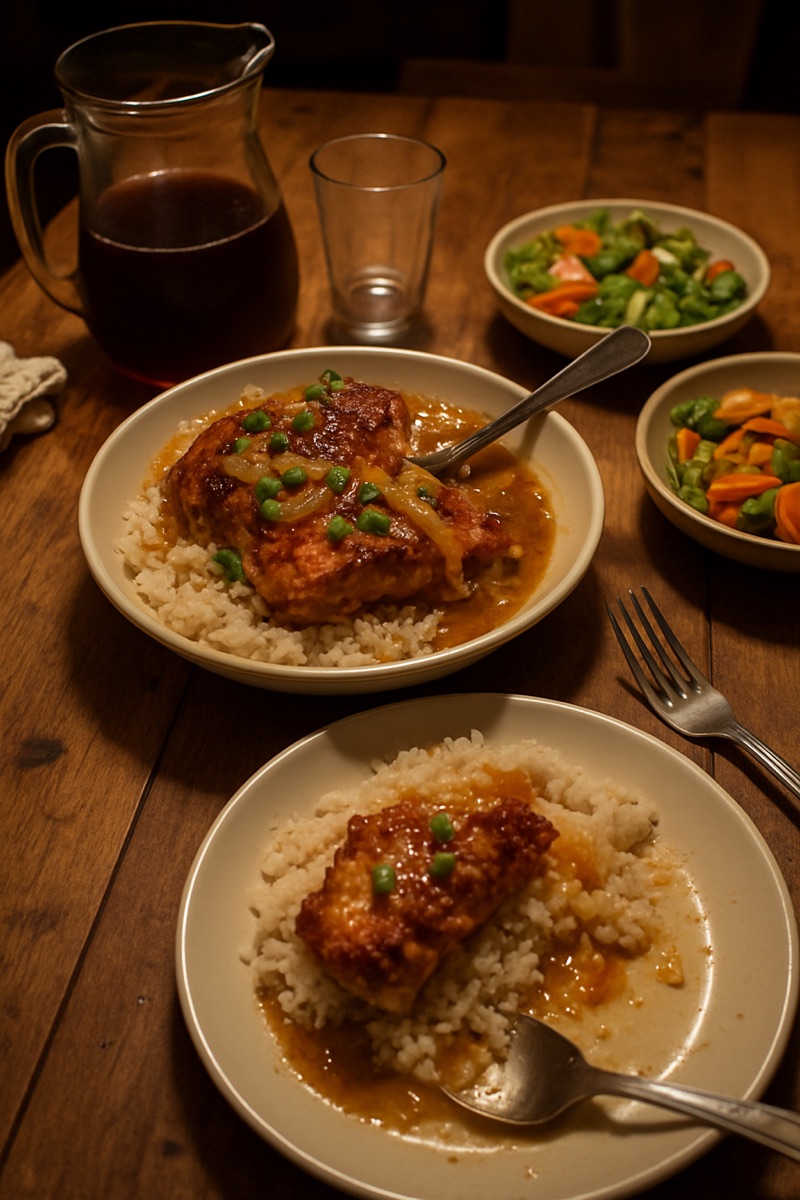 Yassa🇬🇲 Gambia · 13 hours and 40 minutes
Questions people ask
What is the most popular food in The Gambia?
Domoda, the peanut stew with lemon served over rice, is the national dish. Benachin, the one-pot rice, and yassa, chicken or fish with lemon and onions, are the other everyday favourites.
What do people in The Gambia eat for breakfast?
Akara, black-eyed pea fritters, are often eaten for breakfast with tapalapa bread, which is also stuffed with beans, fish or egg. Chakery and other milk-and-grain dishes are eaten as sweet breakfasts.
Is Gambian food spicy?
Chilli is a common ingredient, in yassa, mbahal and most sauces, and Scotch bonnets are sold by the dozen in Serrekunda market. The sauces also rely on sour flavours: lemon, lime, tamarind and bitter tomato.
What is the difference between Gambian and Senegalese food?
Very little. The two countries share peoples, languages and most dishes. The names can shift: domoda is the peanut stew in The Gambia, while in Senegal the word usually means a flour-thickened stew and the peanut version is called mafe.
What do people drink in The Gambia?
Attaya, sweet green tea brewed three times, and wonjo, a cold roselle drink with sugar and mint, are the classics. Baobab, ginger and tamarind juices and palm wine are also common.
Keep reading
- What is the national dish of The Gambia?
- Traditional food of Benin: 13 dishes to know
- Traditional food of Burkina Faso: 11 dishes to know
- Traditional food of Cabo Verde: 13 dishes to know
- Traditional food of Côte d'Ivoire: 12 dishes to know
- Traditional food of Ghana: 13 dishes to know