 COPPER
Traditional food of Estonia: 13 dishes to know
Estonian food is built on dark rye bread, pork, potatoes, barley, Baltic herring and sprats, and soured dairy, with pickling, fermenting and smoking to get through winter. The most emblematic dishes are kama, a roasted grain flour stirred into kefir, mulgipuder, potato and barley mash on UNESCO's heritage list, verivorst, blood sausage at Christmas, and the sprat sandwich kiluvõileib.
What Estonian food is built on
Traditional Estonian cooking comes from farms that grew their own grain and raised their own animals. Food was cooked in large pots and eaten as a family: barley and wheat dishes, cabbage, swedes and turnips, always with dark rye bread, which Estonians have baked from leavened dough for about a thousand years. Potatoes arrived in the middle of the 18th century and became a daily staple by the end of the 19th, and meat, mostly pork, only became frequent food in the 20th century. On the coast and around the large lakes, fish filled the gap, above all salted Baltic herring, while smoked or marinated eel and crayfish were treated as delicacies.
The seasons still set the menu. Spring brings wild garlic and nettles, summer and autumn bring berries and mushrooms, and winter brings out what was pickled, fermented and smoked. German, Swedish, Russian and Finnish influences have all left a mark, from Baltic German landowners' dishes to Soviet-era soups such as seljanka. Beer is the usual drink with food, alongside kefir and other soured milks, kali, a drink similar to kvass, and birch sap in spring.
Black bread and the cold table
A traditional Estonian meal starts cold, with pickles, meats, sausages and salads, and black bread is on the table from start to finish:
- Leib — Black rye bread, the dark sourdough loaf that accompanies almost every savoury food in Estonia. Its importance shows in the language: entering a room where people are eating, Estonians say jätku leiba, may there always be enough bread, and a dropped slice is picked up and kissed rather than thrown away.
- Kiluvõileib — An open sandwich of black bread with spiced salted sprats and a slice of boiled egg, sometimes with the fish and egg mashed into a spread. Estonians serve it on every special occasion, from weddings and birthdays to New Year's Eve, and it is a must at Independence Day celebrations. The fish matters: Baltic herring, räim, was elected Estonia's national fish in 2007, and the sprat, kilu, is named alongside it as a national food.
- Rosolje — A salad of beetroot, potatoes and herring, an Estonian signature dish almost identical to the Swedish herring salad. It is part of the cold first course, next to potato salad and cottage cheese.
- Sült — Jellied pork: meat from the pig's head and legs, cooked slowly and set in its own jelly. Farmers made it when they slaughtered animals in autumn, and today it is mostly a Christmas dish.
- Pirukad — Small savoury pastries filled with meat, fish, cabbage, carrot or cheese, often served with a cup of clear broth, puljong.
Hot dishes: potatoes, barley and pork
Hot food is hearty, and several dishes from the south have been formally recognised as Estonian heritage:
- Mulgipuder — Potatoes mashed together with barley groats and pork, from the Mulgimaa region south of Viljandi, served with bacon and sour cream. It was once kept for important holidays, and in 2024 it was added to UNESCO's Intangible Cultural Heritage list.
- Mulgikapsad — Sauerkraut stewed with fatty pork and pearl barley, another Mulgi dish, entered on the Estonian list of intangible cultural heritage and often called a national food.
- Verivorst — Blood sausage of pork blood, soft pearl barley and marjoram, poached and then roasted until the skin crackles. It belongs to the Christmas table with roast pork, sauerkraut and jellied pork, served with lingonberry jam.
- Pihvid — Weekday patties of minced pork and beef bound with milk-soaked bread and fried onion, rolled in breadcrumbs, pan-fried and finished with a sour cream sauce. Cutlets like these became well known in Estonia in the 1920s and 1930s, along with mashed potatoes and pickled cucumbers.
Kama, curd and sweet buns
Estonian sweets lean on dairy, grain and cardamom. Quark, kohupiim, is the base of many of them, from creamy curd desserts to curd buns, rhubarb pies are a favourite, and cinnamon and cardamom buns come with coffee:
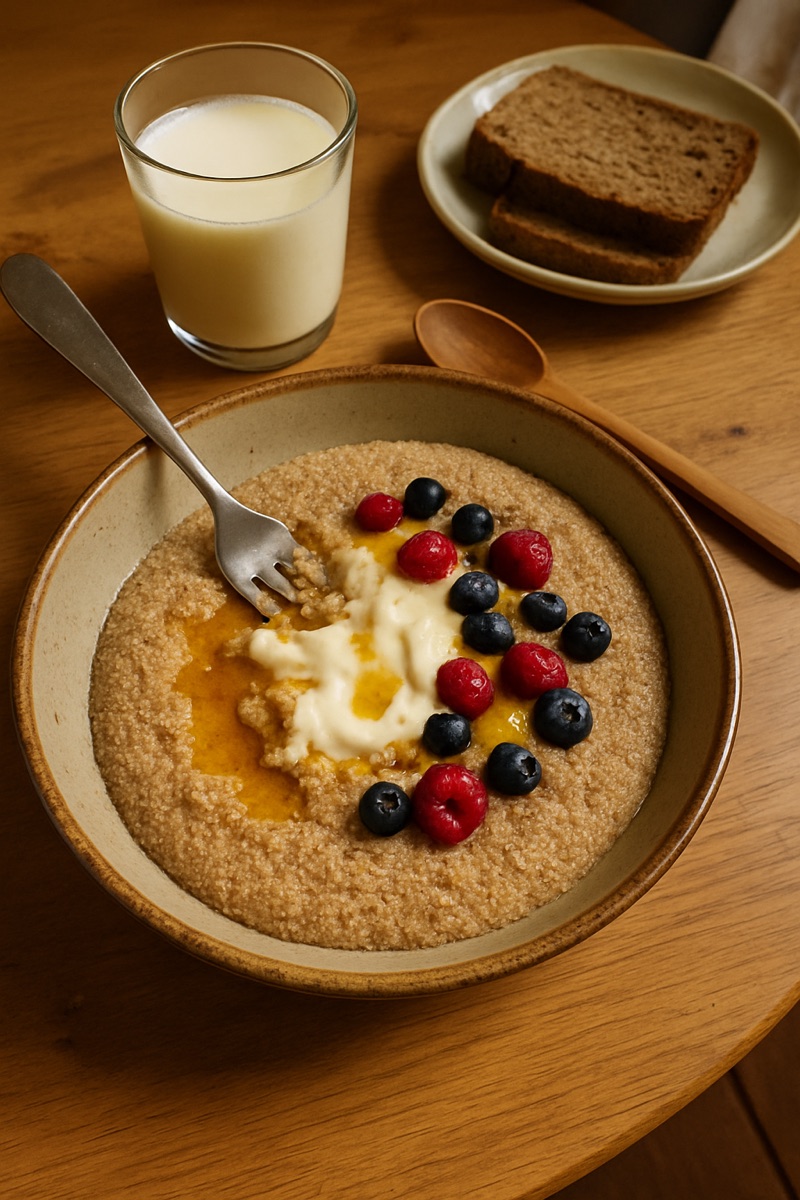
- Kama — A flour of roasted barley, rye, oats and peas, already cooked, stirred into kefir, buttermilk or sour milk and eaten cold, often with berries and honey. It began as farm food from southern Estonia that kept well, and Estonian chefs and chocolate makers now use it in desserts.
- Kohuke — A bar of sweetened pressed curd, kohupiim, coated in chocolate and sold in many flavours in every grocery store. It is only about 70 years old and was something of a cult food during the Soviet occupation.
- Kringel — Kringle, a sweet yeast bread often flavoured with cardamom and one of the most popular Estonian desserts.
- Vastlakukkel — A cardamom-spiced bun filled with whipped cream, the traditional treat of vastlapäev, Shrove Tuesday.
North, south and the islands
Estonia's two historical halves eat differently. Southern Estonian farmers grew more prosperous in the 19th century, and kama, quark, sõir, a cooked cheese of milk, cottage cheese and eggs, and many dishes made from peas and beans come from the south; Mulgimaa, around Viljandi, has its own porridge and sauerkraut dishes. The north traditionally combined fish with potatoes and barley. On the western shore of Lake Peipsi, the Onion Route is known for onion pies, and on the island of Kihnu people still make hapurokk, an ancient drink of fermented rye.
Cook Estonian food at home
Estonia has no single official dish, and kama is the most common answer to the question of the national dish of Estonia. Its cooking belongs to Eastern European cuisine: compare it with the traditional food of Finland, across the Gulf of Finland, and the traditional food of Latvia, its southern neighbour.
Kama, verivorst and pihvid each have a full recipe, with quantities and step-by-step methods, in the Copper app. You will find them on our page dedicated to Estonian recipes.
The recipes
- Kama🇪🇪 Estonia · 40 minutes
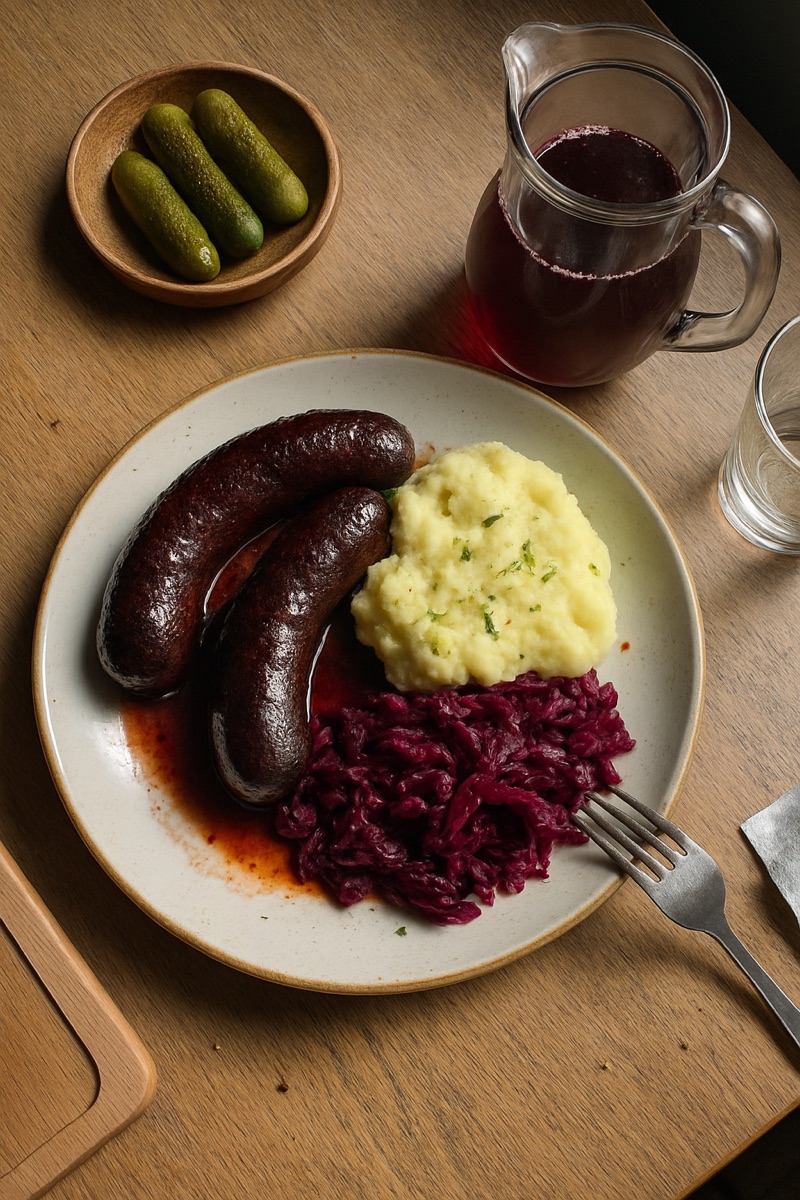 Verivorst🇪🇪 Estonia · 15 hours and 30 minutes
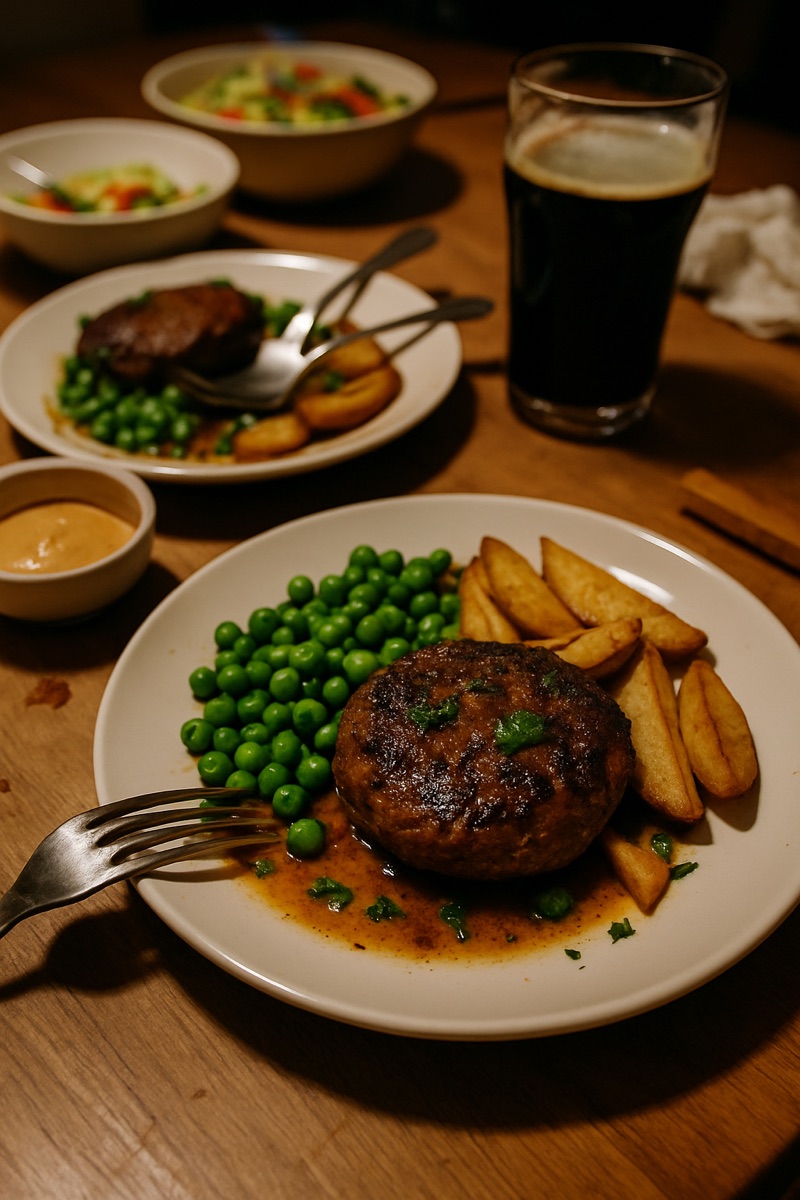 Pihvi🇪🇪 Estonia · 50 minutes
Questions people ask
What is the most popular food in Estonia?
Black rye bread, pork, potatoes and herring are the everyday staples. Asked what visitors should try, Estonians usually name sauerkraut, jellied meat and blood sausage.
What is the national dish of Estonia?
There is no official one. Kama is the dish most often named, mulgipuder is on UNESCO's heritage list, and Baltic herring is the national fish.
What do Estonians eat at Christmas?
Oven-roasted pork, verivorst blood sausage, jellied pork, sauerkraut with roast potatoes and mulled wine, with gingerbread, pickled pumpkin and lingonberry jam.
What is kama?
Kama is a flour of roasted barley, rye, oats and peas. Because the grain is already cooked, it is simply stirred into kefir or buttermilk and eaten cold.
What do Estonians drink with food?
Beer is the most common choice, along with water, juice and coffee. Kefir and other soured milks are widely drunk, as are kali, similar to kvass, and birch sap.
Keep reading
- What is the national dish of Estonia?
- Traditional food of Belarus: 12 dishes to know
- Traditional food of the Czech Republic: 13 dishes to know
- Traditional food of Hungary: 13 dishes to know
- Traditional food of Latvia: 12 dishes to know
- Traditional food of Lithuania: 13 dishes to know
Sources
- Estonian cuisine — Wikipedia
- An introduction to Estonian food — Visit Estonia
- Five classic foods to try in Estonia — Visit Estonia
- All about traditional Estonian food — Visit Estonia
- Cooking and eating Mulgi puder — UNESCO Intangible Cultural Heritage
- Mulgi kapsaste valmistamine ja söömine Mulgimaal — Eesti Rahvakultuuri Keskus