 COPPER
Traditional food of Lithuania: 13 dishes to know
Lithuanian food is built on potatoes, dark rye bread, pork, beetroot, mushrooms, berries and rich dairy, above all sour cream and curd cheese, with pickling and smoking to last the winter. Soup is served very often. The most emblematic dishes are cepelinai, meat-filled potato dumplings, kugelis, a baked potato pudding, šaltibarščiai, a cold pink beet soup, and šakotis, the tree cake.
What Lithuanian food is built on
Lithuanian cooking is made for a cool, damp northern climate. Barley, rye, potatoes, beetroot, greens, berries and mushrooms grow locally, and pickling was the classic way to keep vegetables through the winter. Potatoes only spread in the late 18th century but soon became the most used vegetable in the country's recipes, while foraging for ceps, chanterelles, bilberries and lingonberries is still a national pastime.
Dairy is a speciality. Curd cheese can be sweet, sour, fresh or cured, and sour cream is eaten with almost everything, from soups and meat to pancakes and desserts. Pork is the most used meat, often smoked or cured. The country also absorbed outside influences: German cooks brought pork and potato dishes such as kugelis and vėdarai, and the Crimean Karaites brought kibinai.
Potato dishes
Grated raw potato is the foundation of Lithuania's best-known dishes.
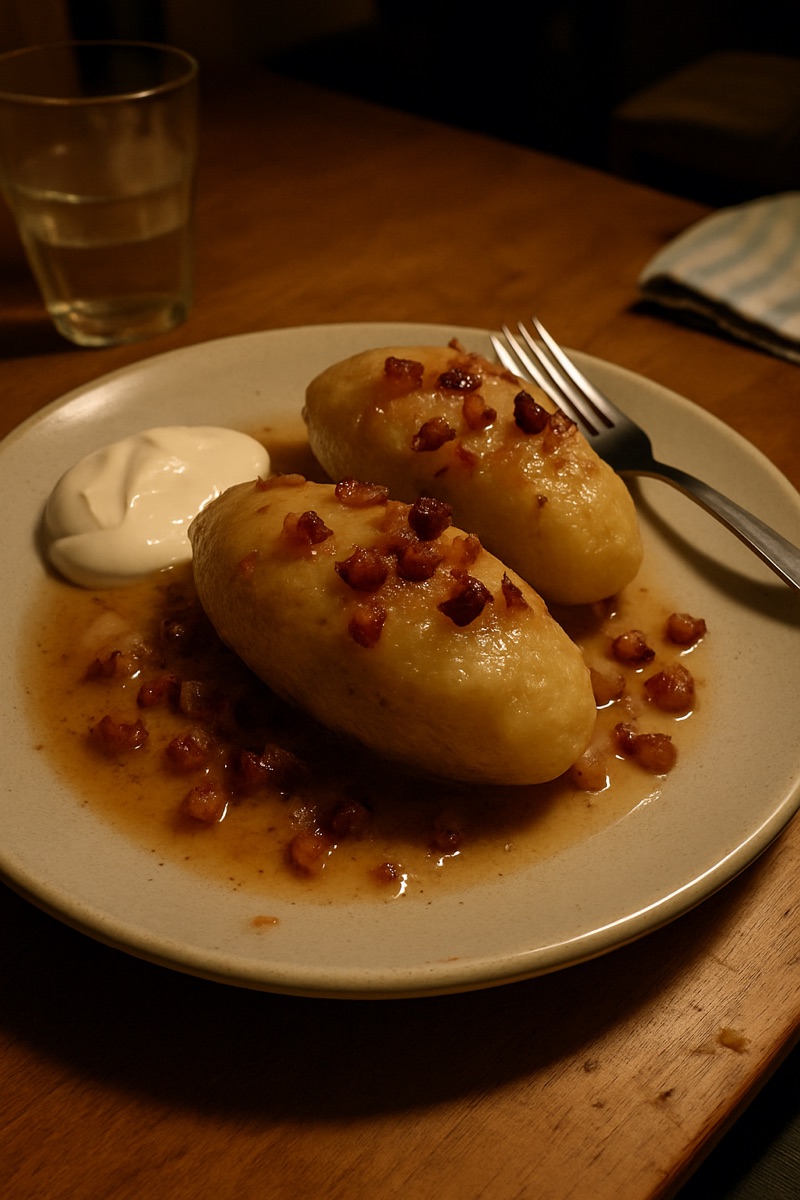
- Cepelinai — Large dumplings of grated raw and boiled potato stuffed with ground meat, dry curd cheese, liver or mushrooms, then boiled. Originally called didžkukuliai, they were renamed after the zeppelin airship, which their shape resembles. They are served under a sauce of sour cream with fried bacon and onion.
- Kugelis — A baked pudding of grated potato with eggs, milk, onion and bacon, seasoned with salt, pepper and sometimes bay leaf or marjoram. It is also called bulvių plokštainis, "flat potato dish", and banda in the Dzūkija region. It comes to the table with sour cream or with bacon cracklings and onion.
- Vėdarai — Pig's intestine stuffed either with grated potato or with a mixture of pork blood, barley groats and dried mint. The dish came through German influence, and the region of Aukštaitija is especially known for it.
Soups, dumplings and pastries
Soups are seen as the key to good health and appear at most meals, often next to small dumplings or filled pastries.
- Šaltibarščiai — A cold summer soup of kefir or sour milk coloured bright pink by cooked or pickled beetroot, with cucumber, dill and spring onion. Hot boiled potatoes, sour cream and hard-boiled egg are served alongside for contrast. The older version of the soup was white, made without beetroot.
- Koldūnai — Small boiled dumplings filled with minced meat, sausage, curd cheese or mushrooms, usually topped with crumbled fried bacon. They are smaller than Polish pierogi and related to Belarusian kalduny; a cousin, šaltanosiai, is eaten lukewarm or cold with blueberry jam.
- Kibinai — Pastries filled with mutton and onion, brought by the Karaites whom Grand Duke Vytautas the Great resettled from Crimea. They are mostly associated with the town of Trakai, and English-language guides compare them to Cornish pasties.
Bread, smoked meat and beer snacks
A Lithuanian proverb says that you can manage without gold, but not without bread.
- Rye bread — Dark rye bread, ruginė duona, is the centrepiece of the Lithuanian table and was eaten at breakfast, lunch and dinner. It is made with a sourdough starter, often flavoured with caraway, and traditionally baked on sweet flag leaves; each home used to keep its own starter, raugas.
- Kepta duona — Black rye bread fried in oil and rubbed with garlic, a distant cousin of French garlic bread. It is the classic accompaniment to a glass of beer or another drink.
- Skilandis — Pork, fat, salt, pepper and garlic pressed into a pig's stomach or bladder, then dried and cold-smoked. Documents mention it from at least the 16th century, and Lietuviškas skilandis has been protected in the EU as a Traditional Speciality Guaranteed since 2010.
Sweets, Christmas Eve and drinks
Lithuania's festive baking is labour-intensive, and its drinks go back to the ancient Balts.
- Šakotis — A spit cake of butter, eggs, flour, sugar and cream, painted layer by layer onto a rotating spit in an open oven or over a fire, so the drips set into branch-like spikes and the inside shows rings like a tree. The first recipe in the region was published in Vilnius in 1830, and it is a fixture of weddings, Easter and Christmas.
- Varškės spurgos — Doughnuts made with curd cheese in the dough, which sets them apart from German berliners. The name simply means curd doughnuts, and they are sometimes filled with preserves.
- Kūčiukai — Very small rolls served with poppy seed milk on Kūčios, Christmas Eve. That supper has twelve dishes and excludes meat, dairy and eggs, though fish is allowed.
- Gira — A non-alcoholic drink made by naturally fermenting rye, wheat or barley bread, sometimes flavoured with fruit or birch sap. The rye and caraway versions are the most popular, alongside beer, a farmhouse tradition first mentioned in 11th-century chronicles, and midus, honey mead.
Regional flavours
Lithuania has five ethnographic regions, each with its own table. Lithuania Minor, on the coast, is known for fish that is smoked, salted, roasted and dried. Samogitia, in the west, has many porridges, crayfish, kastinys, a whipped sour cream "butter", and cibulinė, a herring and onion soup. Aukštaitija is the land of potato dishes and vėdarai, and its north is the country's beer region. Suvalkija is known for smoked meat, some smoked for up to a month, while forested Dzūkija is famous for mushrooms, berries, boletus soup and buckwheat cake, grikinė boba.
Cook Lithuanian food at home
Cepelinai are the dish most often called the national dish of Lithuania, and that article covers the other contenders. Lithuanian cooking belongs to the wider family of Eastern European food; compare its potato dishes with the traditional food of Belarus and its dumplings and soups with the traditional food of Poland.
Cepelinai, kugelis and šaltibarščiai each have a full recipe, with quantities and step-by-step methods, in the Copper app. You will find them on our page dedicated to Lithuanian recipes.
The recipes
- Cepelinai🇱🇹 Lithuania · 2 hours
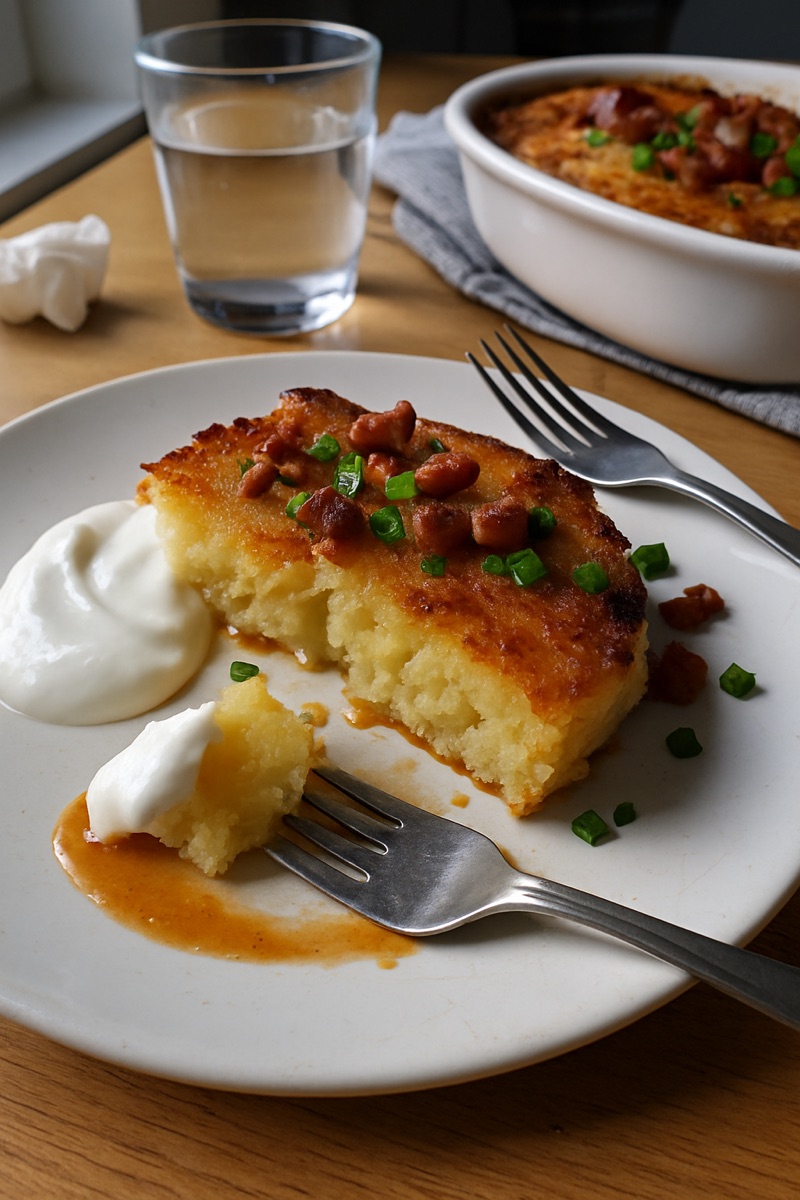 Kugelis🇱🇹 Lithuania · 2 hours and 10 minutes
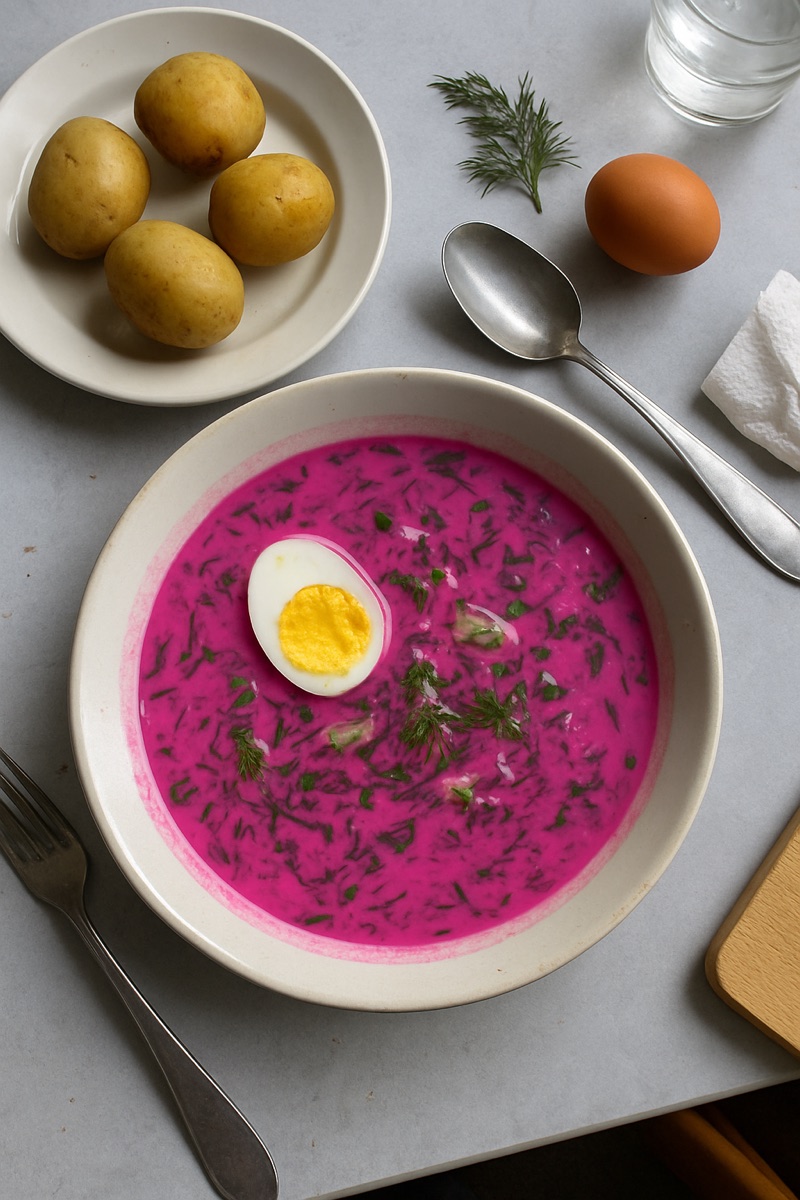 Saltibarsciai🇱🇹 Lithuania · 2 hours and 50 minutes
Questions people ask
What is the most popular food in Lithuania?
Cepelinai, potato dumplings stuffed with meat, are the dish most associated with Lithuania. Šaltibarščiai, kugelis, kepta duona with beer and dark rye bread are also everyday classics.
What do Lithuanians eat on Christmas Eve?
Kūčios, the Christmas Eve supper, has twelve dishes without meat, dairy or eggs, though fish is allowed. Kūčiukai, small rolls served with poppy seed milk, are its signature dish.
What do Lithuanians eat for breakfast?
Breakfast is traditionally the most filling meal of the day and the evening meal the lightest. Rye bread with butter or cheese and semolina porridge topped with butter, cinnamon or berries are common breakfast foods.
Why is Lithuanian cold beet soup pink?
Šaltibarščiai mixes grated beetroot into cold kefir or sour milk, which turns the soup bright pink. It is served with hot boiled potatoes on the side.
What do people drink in Lithuania?
Beer is the most common alcoholic drink, with a farmhouse brewing tradition that is still alive. Gira, a fermented bread drink, midus, a honey mead, and birch sap are the traditional alternatives.
Keep reading
- What is the national dish of Lithuania?
- Traditional food of Belarus: 12 dishes to know
- Traditional food of the Czech Republic: 13 dishes to know
- Traditional food of Estonia: 13 dishes to know
- Traditional food of Hungary: 13 dishes to know
- Traditional food of Latvia: 12 dishes to know