 COPPER
Traditional food of Colombia: 13 dishes to know
Colombian food is built on corn, potatoes, plantain, cassava, beans and slow-simmered soups, with a cilantro ají sauce on the table instead of heat in the pot. The most emblematic dishes are ajiaco, Bogotá's chicken and potato soup, bandeja paisa, Antioquia's loaded platter, the corn arepa eaten with almost every meal, and sancocho, the root-vegetable soup cooked all over the country.
What Colombian food is built on
Colombian cooking grew out of Indigenous staples, corn, potatoes, cassava and beans, joined by the pork, rice, dairy and wheat brought by the Spanish and the plantain carried through the Caribbean. The result is a cuisine of soups, griddled corn and fried plantain rather than spices. Heat stays on the side, in ají, a sauce of cilantro, onion and chili spooned on at the table.
Geography shapes the plate. The cold Andean highlands around Bogotá eat thick soups and milk-based breakfasts, the Caribbean coast cooks with coconut, fish and cassava, and the coffee region of Antioquia built its food around beans, pork and corn. There is no official national dish of Colombia: ajiaco and bandeja paisa are the two most often given the title.
Soups: the backbone of the Colombian table
Soup is often the first course at lunch, the main meal of the day, and sometimes the whole meal.
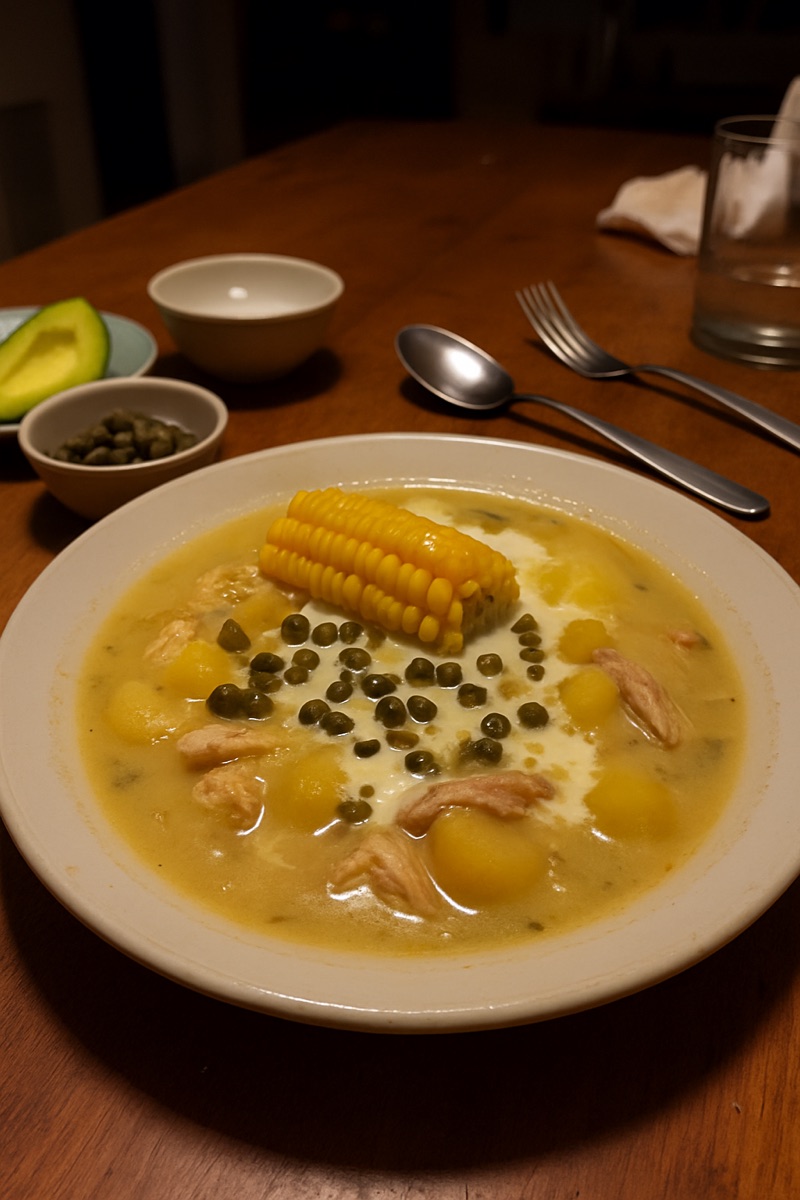
- Ajiaco — Bogotá's chicken soup, thickened by small yellow papa criolla potatoes that dissolve into the broth. Its signature is guascas, a herb that gives the soup its aroma. It is served with corn on the cob in the bowl and with cream, capers and avocado added at the table.
- Sancocho — A soup-stew made across the country with hen, chicken, pork ribs, beef ribs, fish or oxtail, plus plantain, potato and cassava. It is usually served with sliced avocado and a plate of white rice on the side. Hen sancocho from Valle del Cauca is one of the best-known versions.
- Changua — A breakfast soup of the central Andes made with equal parts water and milk, eggs poached in it, scallions, cilantro and stale bread. It is linked to Boyacá and Cundinamarca, and its name comes from the Muisca language. In Bogotá it also has a reputation as a hangover cure.
Main dishes and festive platters
- Bandeja paisa — The platter of the Antioquia region: red beans, white rice, ground beef, chorizo, crisp chicharrón, fried ripe plantain, a fried egg, avocado and an arepa, all on one plate. It is served on a large oval tray because of its size, and versions are found throughout the coffee-growing departments of Caldas, Quindío and Risaralda.
- Lechona — A whole pig stuffed with yellow peas, green onion and spices, then roasted for several hours in an outdoor brick oven. It is mostly associated with the Tolima department in central Colombia. Lechona is a celebration dish, cut up and served with arepas.
- Tamales — Corn dough with a filling of meat and vegetables, wrapped in plantain leaves and boiled. Almost every region of Colombia has its own version, with different fillings and seasonings.
Breads, street food and snacks
- Arepas — Corn cakes made from precooked corn flour, shaped into discs and cooked on a griddle or grill. The arepa is an Indigenous food and is eaten at any meal, plain with butter and cheese or alongside soups and platters. The dough needs no binder because the corn in the flour is already cooked.
- Patacones — Slices of green plantain fried once, flattened, then fried again until crisp. They are served as a side dish with fried fish and stews, or as a snack with ají.
- Empanadas — Small fried pastries filled with shredded meat, pork, beef or chicken, often mixed with potato. They are sold on street corners and in bakeries and eaten with ají.
- Pandebono — A small cheese bread made with cassava flour and costeño cheese, baked until puffed. It is eaten warm for breakfast or in the afternoon with coffee or hot chocolate, along with almojábanas, the cornflour and curd cheese buns.
- Buñuelos — Balls of white cheese curd mixed with cassava flour and cornmeal, deep-fried until golden brown. Unlike Spanish buñuelos, they contain no wheat. They are a Christmas food in Colombia.
Desserts and drinks
Drinks matter as much as dishes. Tinto is a small black coffee sweetened with sugar or panela, aguapanela is panela dissolved in water, served hot or cold, and hot chocolate is drunk with cheese and bread at breakfast. Aguardiente, an anise-flavoured sugarcane spirit, is the party drink.
- Natilla — A firm Colombian custard made with milk and cornflour, without eggs. It is the usual partner of buñuelos at Christmas.
- Arequipe and bocadillo — Arequipe is Colombia's milk caramel, close to dulce de leche, spread on bread or used in pastries like milhoja. Bocadillo is a firm guava paste, often eaten with a slice of fresh cheese.
Colombian food region by region
Colombia's Andes, its two coastlines and its lowlands each have their own food.
The Andean highlands around Bogotá, Boyacá and Cundinamarca eat ajiaco and changua, along with thick grain soups such as cuchuco, made with wheat, fava beans, potatoes and pork ribs, and mute, a corn, tripe and rib soup from Boyacá and Santander. Antioquia and the coffee region are the home of bandeja paisa, beans and arepas. Tolima, in the centre, is known for lechona and its tamales.
In the southwest, Nariño cooks dishes linked to Andean and Inca traditions, such as broiled guinea pig (cuy asado) and locro, a stew of corn, beans, squash and potato. Valle del Cauca is the home of hen sancocho. On the Caribbean coast, coconut and cassava take over: carimañolas, cassava fritters stuffed with ground meat, and cocadas, baked coconut sweets, belong to the coast.
Cook Colombian food at home
Three of these dishes have full recipes on Copper, with ingredients and step-by-step methods: ajiaco, bandeja paisa and arepas. You will find them on our page about the food of Colombia, alongside the rest of South American cooking.
Colombia's neighbours share many of the same foods, starting with the arepa and the sancocho. Compare with the traditional food of Venezuela and the traditional food of Ecuador.
The recipes
- Ajiaco🇨🇴 Colombia · 2 hours
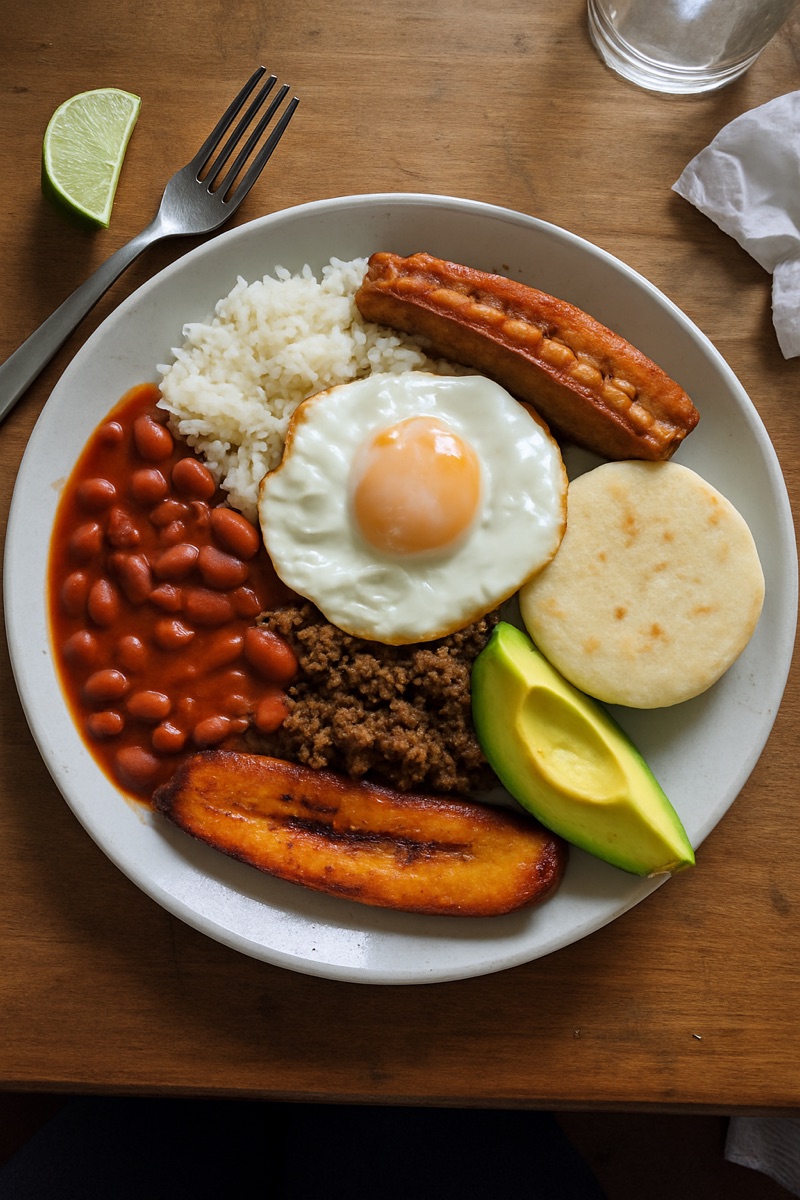 Bandeja paisa🇨🇴 Colombia · 14 hours and 30 minutes
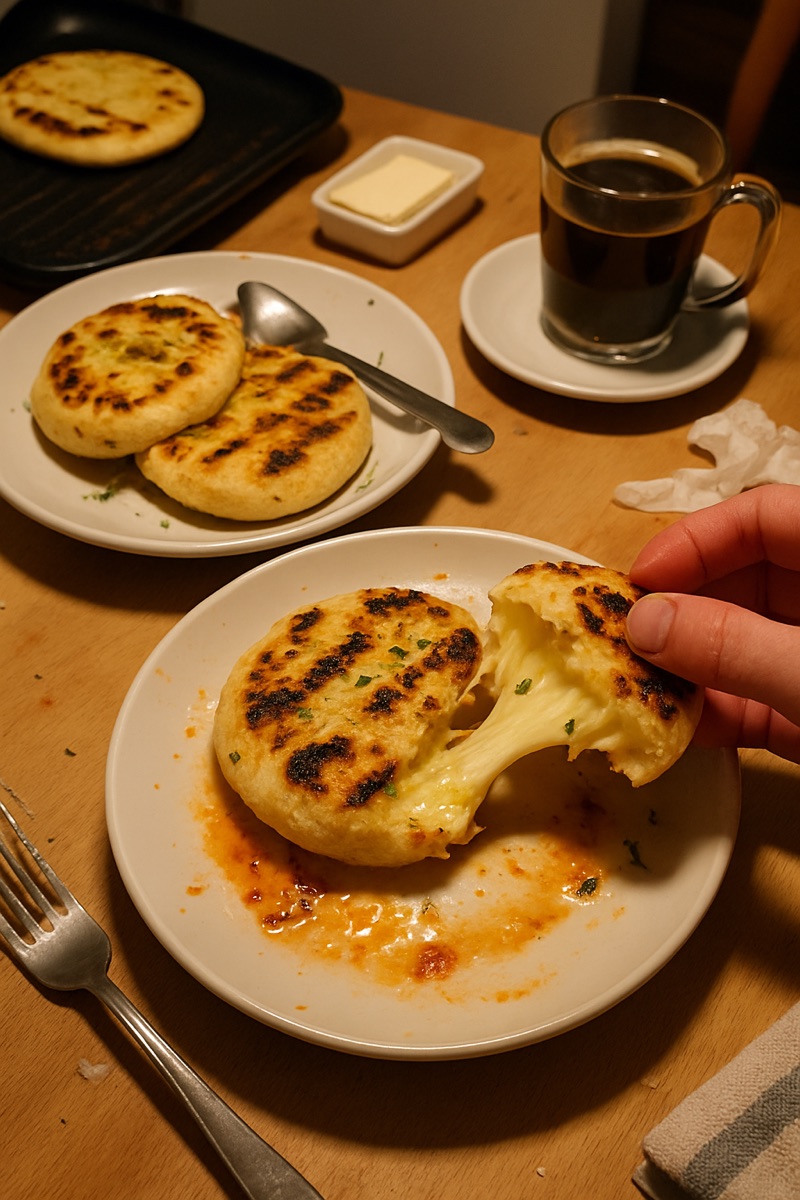 Arepas🇨🇴 Colombia · 30 minutes
Questions people ask
What is the most popular food in Colombia?
The arepa is the most eaten food, served at almost every meal. Among full dishes, ajiaco and bandeja paisa are the best known and both are considered national dishes.
What do Colombians eat for breakfast?
Breakfast is often arepas with butter and cheese, eggs, and hot chocolate with cheese and bread such as almojábanas or pandebono. In the cold Andes around Bogotá, changua, a milk and egg soup, is a classic breakfast.
Is Colombian food spicy?
No. Dishes are cooked without much heat, and spice comes from ají, a cilantro, onion and chili sauce added at the table, so each person chooses how much to use.
What is the national dish of Colombia?
Colombia has no official national dish. Ajiaco from Bogotá and bandeja paisa from Antioquia are the two most often named; a 2005 proposal to make bandeja paisa official was dropped.
What do Colombians eat at Christmas?
Buñuelos, fried cheese and cassava dough balls, and natilla, a cornflour custard, are the classic Christmas pair.
Keep reading
- What is the national dish of Colombia?
- Traditional food of Argentina: 13 dishes to know
- Traditional food of Bolivia: 14 dishes to know
- Traditional food of Brazil: 14 dishes to know
- Traditional food of Chile: 14 dishes to know
- Traditional food of Ecuador: 14 dishes to know