 COPPER
Traditional food of Ecuador: 14 dishes to know
Ecuadorian food changes with altitude. The coast cooks fish, shrimp, plantain and coconut; the Andes cook pork, potatoes, corn and cheese; the Amazon relies on cassava. Lunch starts with soup, and peanuts and achiote season many dishes. The most emblematic dishes are encebollado, a tuna and cassava soup, shrimp ceviche, roast pork hornado and llapingachos, cheese-filled potato cakes.
What Ecuadorian food is built on
Ecuadorian cooking combines Spanish, Andean and Amazonian traditions, with later Italian, Lebanese, African and Chinese touches; Chinese-Ecuadorian restaurants are called chifas. Its base is starch: potatoes, rice, corn, cassava and above all plantain, eaten green as chifles (thin chips) and patacones (twice-fried slices) or ripe and fried for sweetness. Peanuts go into sauces and soups, and achiote colours dishes orange.
Lunch is the main meal and follows a set pattern: a soup, then a segundo, a plate of rice with meat, chicken or fish, and a fresh fruit juice. Ecuador is often called a country of soups. Spanish-language references name encebollado, ceviche, hornado, fritada and llapingachos as the dishes with the widest cultural consensus, and a 2023 study found encebollado, ceviche and hornado to be the most consumed.
Soups: the first course
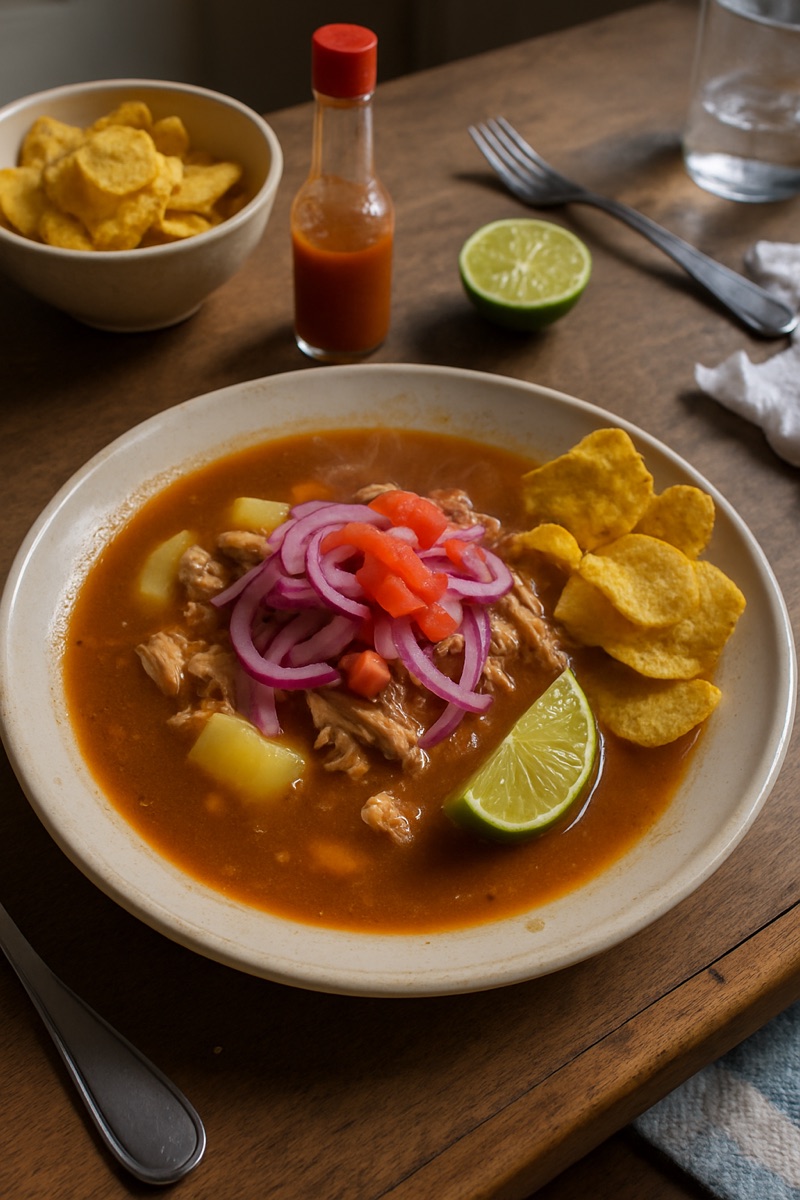
- Encebollado — A broth of albacore tuna and cassava with tomato, cumin and coriander, topped with red onion cured in lime juice and eaten with chifles, lime and ají. It is most popular on the coast but eaten everywhere, often in the morning, in restaurants that open early and sell nothing else, and it is the classic cure for a hangover.
- Fanesca — A thick soup of figleaf gourd, pumpkin and about twelve kinds of beans and grains, including lupins, fava beans, lentils, peas and corn, cooked in milk with salt cod, because meat is avoided in Holy Week. It is made once a year around Good Friday and garnished with hard-boiled egg, fried plantain and small fried cheese empanadas. Tradition says the twelve grains stand for the apostles.
- Locro de papa — A thick potato soup of the highlands, made in Quito and Cuenca styles and known across the country, like the other Andean locros built on potatoes or squash. A stronger variant, yahuarlocro, adds lamb offal and blood.
Coastal classics
- Ceviche — Ecuadorian ceviche is mostly made with cooked seafood, shrimp above all, in a juice of lime and bitter orange balanced by tomato, sometimes with a little ketchup or mustard. It comes with chifles and is sold on beaches, in cevicherías and in restaurants across the country; some highland versions come with toasted corn and popcorn. Only the black clam version, ceviche de concha, is eaten raw.
- Encocado — A seafood or fish stew in coconut milk from the province of Esmeraldas, with roots in the cooking of Africans who settled the coast in colonial times. Corvina is the usual fish, seasoned with garlic, onion and the local herbs chillangua and chirarán, and served with rice and patacones or ripe plantain.
- Bolón de verde — Green plantain fried, boiled or roasted, mashed into a coarse dough with salt and cheese or pork crackling, and shaped into a ball. It is one of the most popular ways to eat green plantain for breakfast on the coast. It came out of the cooking of the montubio people of the coastal countryside.
- Guatita — Beef tripe and potatoes stewed in a peanut sauce with onion, pepper and tomato, served with rice and avocado. It is especially popular in Guayaquil and is eaten on the coast and in the highlands.
- Seco de pollo — Chicken browned in achiote oil and braised in beer and naranjilla juice until the sauce reduces and coats the meat, served with yellow rice, fried ripe plantain and avocado. Seco is a family of stews built on an acidic liquid, such as chicha, beer or naranjilla; seco de chivo, made with goat, is the other classic, and a seco of hen was already cooked in Ecuador in the early 19th century.
Highland pork, potatoes and cuy
- Hornado — Pork marinated with garlic, cumin, achiote and often beer, roasted slowly in a wood-fired oven until the skin turns crisp. It comes from the highlands, where it is a popular street food, and dates from colonial times, when the Spanish brought pigs and cooks used the heat of bread ovens to roast them; and it is served with mote (boiled corn), llapingachos, fried ripe plantain, avocado and salad.
- Fritada — Chunks of pork marinated overnight, boiled with white onion and seasonings, then browned in their own fat. It is served with mote, tender corn, potatoes or llapingachos, fried ripe plantain and pickled onion.
- Llapingachos — Potato cakes coloured orange with achiote, each with a core of fresh cheese, browned on a hot griddle and served with peanut sauce, chorizo, a fried egg and avocado. They are said to come from Ambato and are an icon of highland food.
- Cuy — Guinea pig, roasted and served with potatoes at celebrations in parts of the highlands. Over centuries of colonial rule beef and pork largely replaced it in everyday meals, but it remains a festive dish, and it also goes into a highland dish called ají de cuy.
Breads and drinks
- Pan de yuca — Small, puffy rolls of cassava starch and cheese, typical of western Ecuador and southern Colombia. They are eaten hot, traditionally with a glass of drinkable fruit yogurt.
- Colada morada and guaguas de pan — Colada morada is a thick, warm purple drink of black corn flour sweetened with panela and flavoured with fruits such as naranjilla, pineapple and blackberry, herbs and spices. It is drunk around 2 November, All Souls' Day, with guaguas de pan, sweet rolls shaped and decorated like swaddled babies, which families make and exchange.
Coast, Andes and Amazon, and where to cook them
The coast eats fish, shrimp, crab, plantain and coconut, from encebollado to encocado. The Andes cook pork, potatoes, corn, beans and cuy, with regional dishes such as Loja's repe, a soup of green bananas. In the Amazon, cassava is the staple, boiled, fried or used in other dishes, alongside bananas and peach palm fruit.
Encebollado is the dish most often named as Ecuador's own; read why in our article on the national dish of Ecuador. Encebollado, llapingachos and seco de pollo have full recipes on our page about the food of Ecuador, part of our collection of South American recipes. Ecuador shares ceviche with its southern neighbour and pan de yuca with its northern one: see the traditional food of Peru and the traditional food of Colombia.
The recipes
- Encebollado🇪🇨 Ecuador · 1 hour and 15 minutes
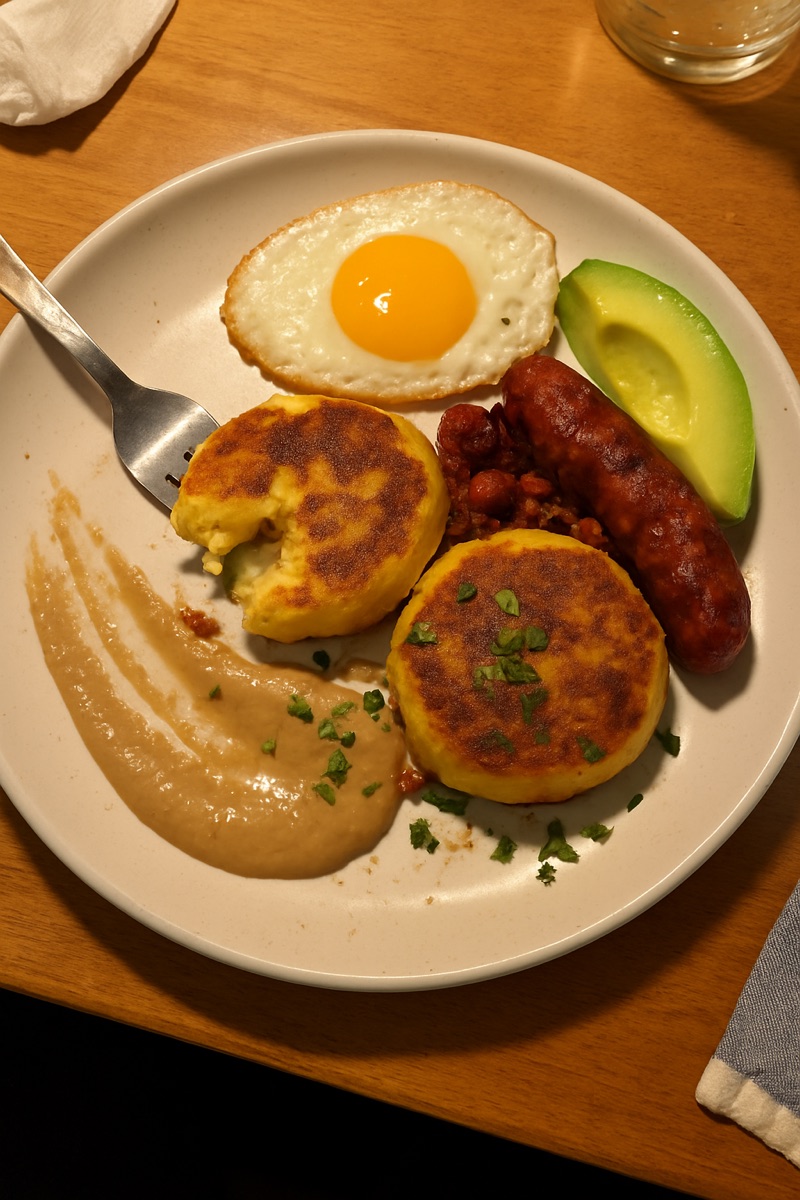 Llapingachos🇪🇨 Ecuador · 2 hours and 25 minutes
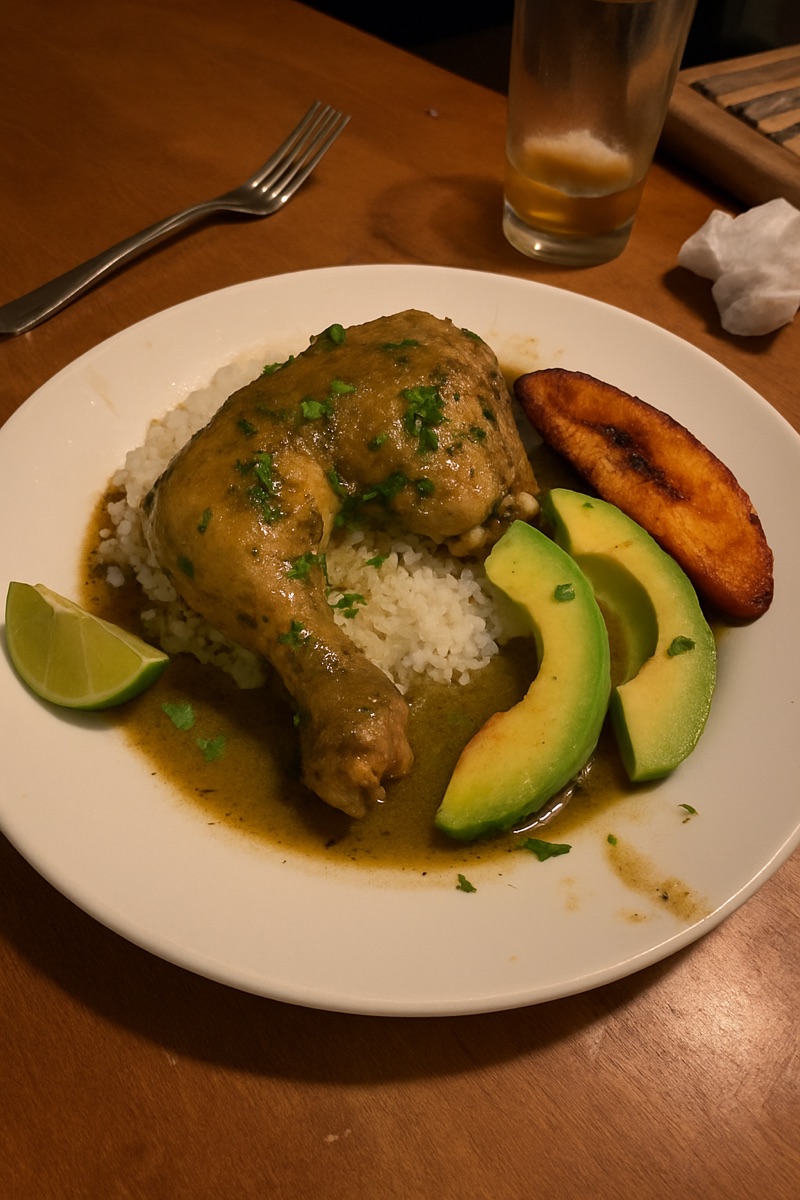 Seco de pollo🇪🇨 Ecuador · 1 hour and 50 minutes
Questions people ask
What is the most popular food in Ecuador?
A 2023 study found encebollado, ceviche and hornado to be the most consumed dishes in Ecuador. Fritada and llapingachos complete the list of dishes most widely recognised as Ecuadorian.
What do people in Ecuador eat for breakfast?
On the coast, bolón de verde, a ball of mashed green plantain with cheese or pork crackling, is a breakfast classic, and encebollado is often eaten in the morning. Pan de yuca with a glass of drinkable yogurt is a popular snack at any time of day.
What is a typical Ecuadorian lunch?
Lunch is the main meal. It starts with a soup, followed by a segundo, a plate of rice with meat, chicken or fish, often with plantain or lentils, and a glass of fresh fruit juice. Dinner is lighter.
Is ceviche from Ecuador or Peru?
Both countries make it, in different styles. Peruvian ceviche is raw fish cured in lime, while Ecuadorian ceviche is mostly made with cooked shrimp in a juice of lime, bitter orange and tomato, served with chifles or popcorn.
What is fanesca?
Fanesca is a thick soup of squash, about twelve kinds of beans and grains and salt cod cooked in milk, eaten in Ecuador once a year during Holy Week, around Good Friday.
Keep reading
- What is the national dish of Ecuador?
- Traditional food of Argentina: 13 dishes to know
- Traditional food of Bolivia: 14 dishes to know
- Traditional food of Brazil: 14 dishes to know
- Traditional food of Chile: 14 dishes to know
- Traditional food of Colombia: 13 dishes to know