 COPPER
Traditional food of Puerto Rico: 13 dishes to know
Puerto Rican food, called cocina criolla, is built on sofrito, a green base of garlic, onion, culantro and peppers, on adobo-rubbed meats, and on plantains and root vegetables. It mixes Taíno, Spanish and African roots. The most emblematic dishes are arroz con gandules, rice with pigeon peas, mofongo, mashed fried plantain, lechón asado, roast pork, and pasteles, the Christmas parcels wrapped in leaves.
What Puerto Rican food is built on
Puerto Rican cooking is a blend of three traditions. The Taíno, the island's Indigenous people, left root vegetables known together as viandas: cassava, yautía (tannier) and sweet potato. Africans brought plantains, bananas, yams, pigeon peas and rice, and the techniques behind mofongo and pasteles. Spain added pork, chorizo, olive oil, flan and a baking tradition.
Two seasonings tie it all together. Sofrito is a sauté of garlic, onion, culantro, cilantro, sweet ají cachucha and cubanelle peppers that starts almost every rice, stew and bean dish. Adobo, dry or wet with vinegar and citrus, is rubbed on meat and fish before cooking. The food is mild: heat comes from hot peppers kept on the side.
The influences show in the tools as well as the ingredients: Africans adapted earlier cooking tools into the iron griddle called a burén, and mofongo is still pounded in a wooden mortar, the pilón. Casabe, a flatbread of cassava, goes back to the Taíno use of viandas.
Rice, pork and festive main dishes
Rice dishes and pork sit at the centre of Puerto Rican main meals, and both come together at Christmas, when pasteles, arroz con gandules and roast pork share the table, followed by flan, tembleque and other coconut desserts, and a glass of coquito.
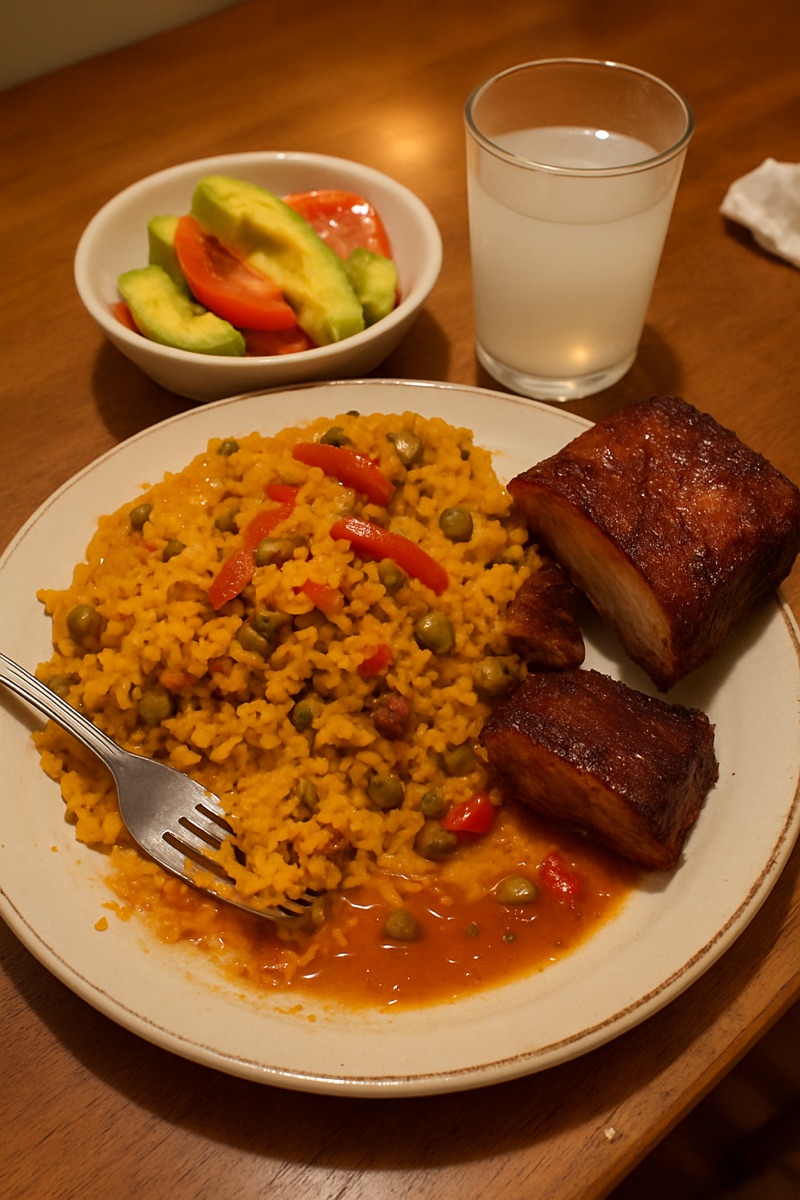
- Arroz con gandules — Rice cooked with pigeon peas, sofrito, annatto oil, salt pork and olives in a heavy pot called a caldero. It is widely regarded as Puerto Rico's national dish and is on every Christmas table. The crisp layer stuck to the bottom of the pot, the pegao, is the prized part.
- Lechón asado — Whole pig seasoned and roasted until the skin crackles; roast pork shoulder, pernil, is the home version. It has been described as a national dish of Puerto Rico and is prepared for festivals and special occasions, including Christmas.
- Pasteles — A dough of grated green bananas, green plantain and yautía, filled with diced pork, olives, raisins and chickpeas, wrapped in plantain leaves, tied in pairs called yuntas and boiled, then served with arroz con gandules. For many families they are the essential holiday dish, made in large batches in December. Despite the name, they are not a pastry.
- Pastellón — Puerto Rico's answer to lasagne: layers of sweet fried ripe plantain around a picadillo of beef stewed in sofrito with tomato and olives, bound with beaten egg and baked under cheese. It is a family dish served in squares.
Plantains, soups and stews
- Mofongo — Fried green plantains pounded in a wooden pilón with garlic, salt, oil and pork cracklings into a dense ball. It descends from West African fufu and is traditionally served with fried meat and chicken broth. Stuffed versions, mofongo relleno, are filled with shrimp, chicken or vegetables; camarofongo is filled with shrimp, and bifongo mixes two starches.
- Tostones — Green plantain rounds fried, flattened and fried a second time until crisp. They are served as a side dish with fried fish and meat, or on their own as a snack.
- Asopao — A rice soup cooked with chicken and chorizo, seasoned with sofrito. It is a home dish, eaten from a bowl.
- Sancocho — A thick stew of braised meats with viandas such as cassava, yautía, plantain and corn. It is one of the most common stews on the island.
Frituras: Puerto Rican street food
Beach kiosks, the quioscos, are part of a day at the beach in Puerto Rico. They sell frituras, fried snacks, and fresh seafood.
The same kiosks and roadside stands also fry papas rellenas, mashed potato balls stuffed with seasoned meat, and arañitas, thin shreds of green plantain fried into crisp clusters whose name means “little spiders”.
- Alcapurrias — Fritters of grated green banana and yautía coloured yellow-orange with annatto, stuffed with picadillo or other fillings and deep-fried until crisp. The dough is chilled for several hours so it holds its shape around the filling.
- Bacalaítos — Fritters of salt cod in batter, fried until crisp. Along with alcapurrias, they are the standard order at beach kiosks.
Desserts and drinks
Spanish-style custards are everywhere too. Flan, a caramel custard, comes in many flavours; brazo gitano is a rolled sponge cake filled with cream cheese and fruit; and bizcocho mojadito is a sponge cake soaked in rum or brandy syrup. Among drinks, the piña colada blends rum, coconut cream and pineapple, while horchata, a sweet rice drink with cinnamon and vanilla, and ponche de malta, malt soda beaten with egg yolk and condensed milk, are non-alcoholic classics.
- Tembleque — A coconut pudding of coconut milk, cornstarch, sugar and cinnamon, chilled until it sets firm enough to shake, which gives it its name. It is served on New Year's Day across the island.
- Arroz con dulce — A sweet rice pudding cooked with coconut. It belongs to the same family of Spanish-rooted milk desserts as flan and natillas, which are also common on the island.
- Coquito — The Puerto Rican Christmas drink: rum blended with coconut milk, cream of coconut, condensed milk, vanilla and spices. It appears from Thanksgiving to Three Kings Day and is served in small glasses.
Cook Puerto Rican food at home
Arroz con gandules is the dish most often called the national dish of Puerto Rico, and it has a full recipe on Copper alongside mofongo and pastellón. Find all three, with ingredients and step-by-step methods, on our page about the food of Puerto Rico, part of our collection of Caribbean recipes.
Plantains, viandas and Spanish-style rice dishes are shared across the Spanish-speaking Caribbean. Compare with the traditional food of the Dominican Republic and the traditional food of Cuba.
The recipes
- Arroz con gandules🇵🇷 Puerto Rico · 55 minutes
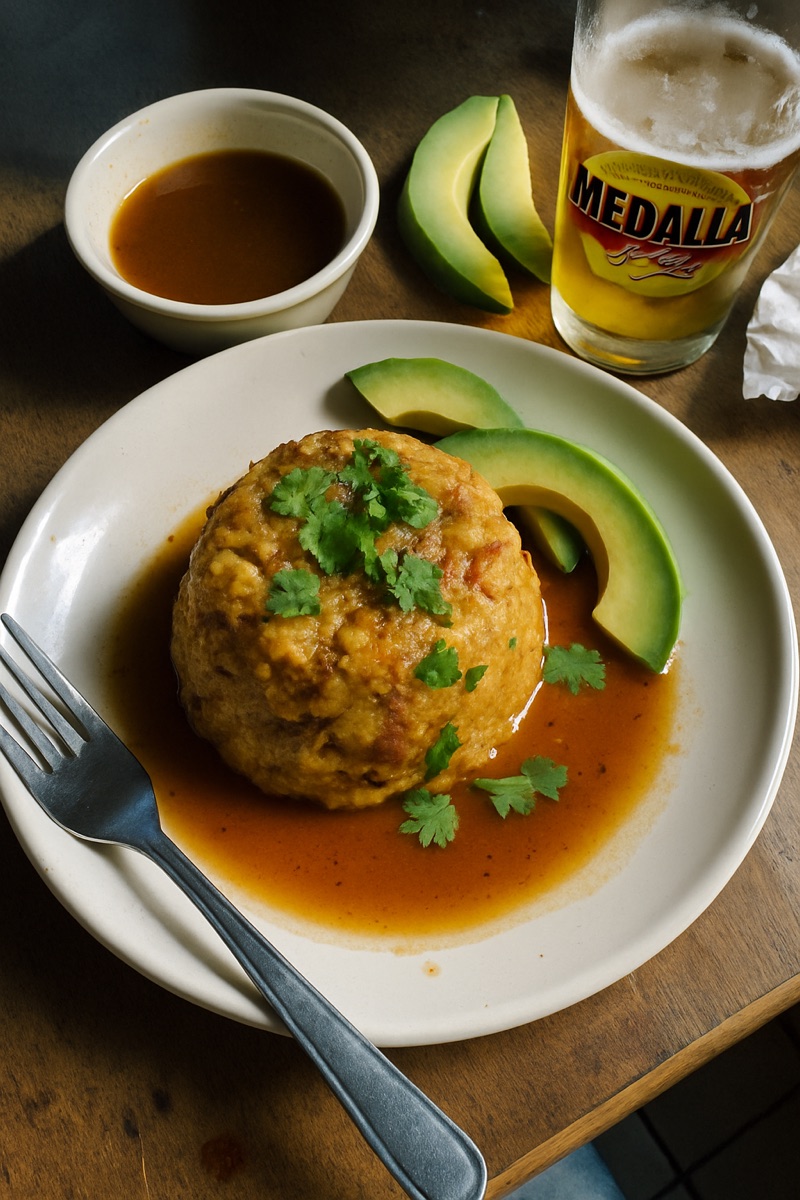 Mofongo🇵🇷 Puerto Rico · 45 minutes
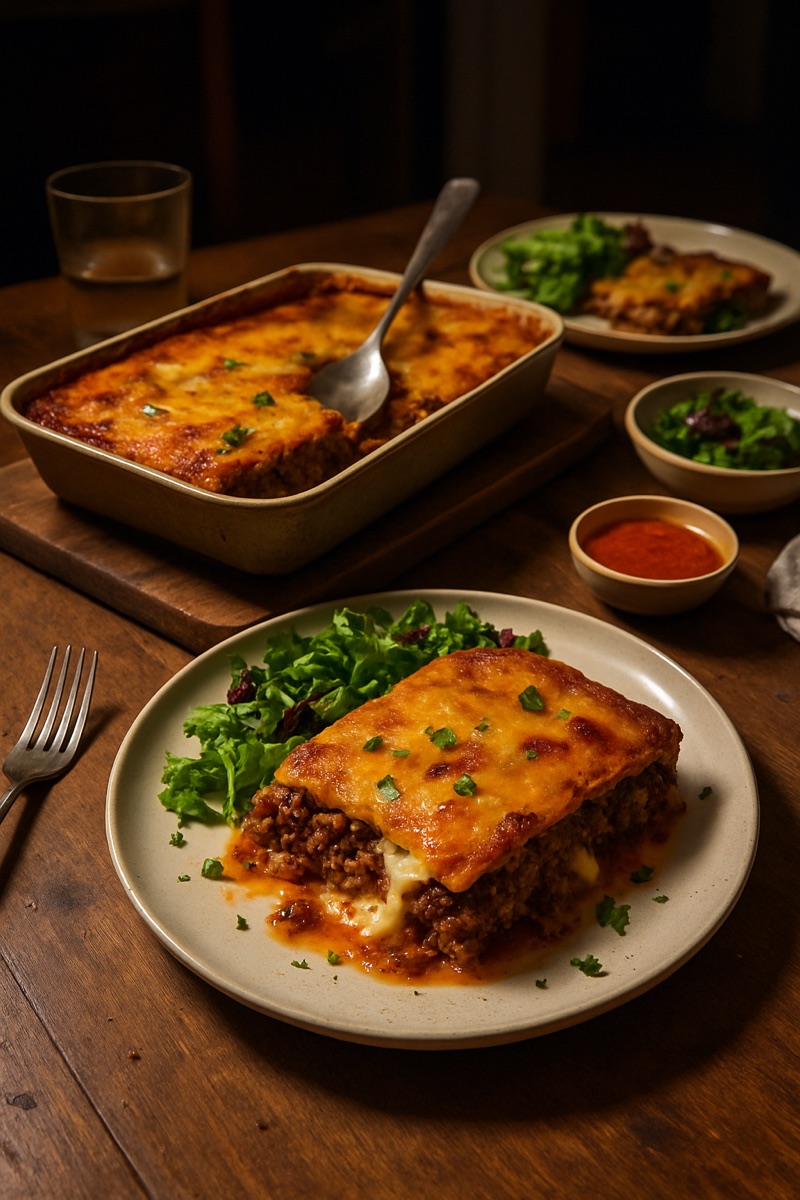 Pastellón🇵🇷 Puerto Rico · 1 hour and 55 minutes
Questions people ask
What is the most popular food in Puerto Rico?
Arroz con gandules, rice with pigeon peas, is widely regarded as the national dish. Mofongo and lechón asado, roast pork, are just as closely tied to the island.
Is Puerto Rican food spicy?
No. Puerto Rican cooking is mild to moderately seasoned and relies on sofrito and adobo for flavour. Hot peppers such as ají caballero are used on the side, for those who want heat.
What do Puerto Ricans eat at Christmas?
The Christmas table usually holds pasteles, arroz con gandules and roast pork, with coquito, a coconut and rum drink, to toast.
What is sofrito in Puerto Rican cooking?
Sofrito is a green base of garlic, onion, culantro, cilantro and sweet peppers, sautéed at the start of most rice, bean and stew dishes.
What do people in Puerto Rico eat for breakfast?
Common breakfast dishes include serenata de bacalao, a salt cod salad, and pancakes made from viandas, root vegetables; mofongo also shows up on breakfast menus.
Keep reading
- What is the national dish of Puerto Rico?
- Traditional food of Antigua and Barbuda: 11 dishes to know
- Traditional food of the Bahamas: 12 dishes to know
- Traditional food of Barbados: 12 dishes to know
- Traditional food of Cuba: 12 dishes to know
- Traditional food of Dominica: 12 dishes to know