 COPPER
Traditional food of Nepal: 13 dishes to know
Nepali food is built on dal bhat, lentil soup with rice and a vegetable curry, eaten twice a day, with spicy achar pickles on the side. In the hills and mountains, millet, buckwheat and maize replace rice, and Tibetan and Indian influences meet. The dishes to know first are dal bhat, momo, dhindo with gundruk, and sel roti.
What Nepali food is built on
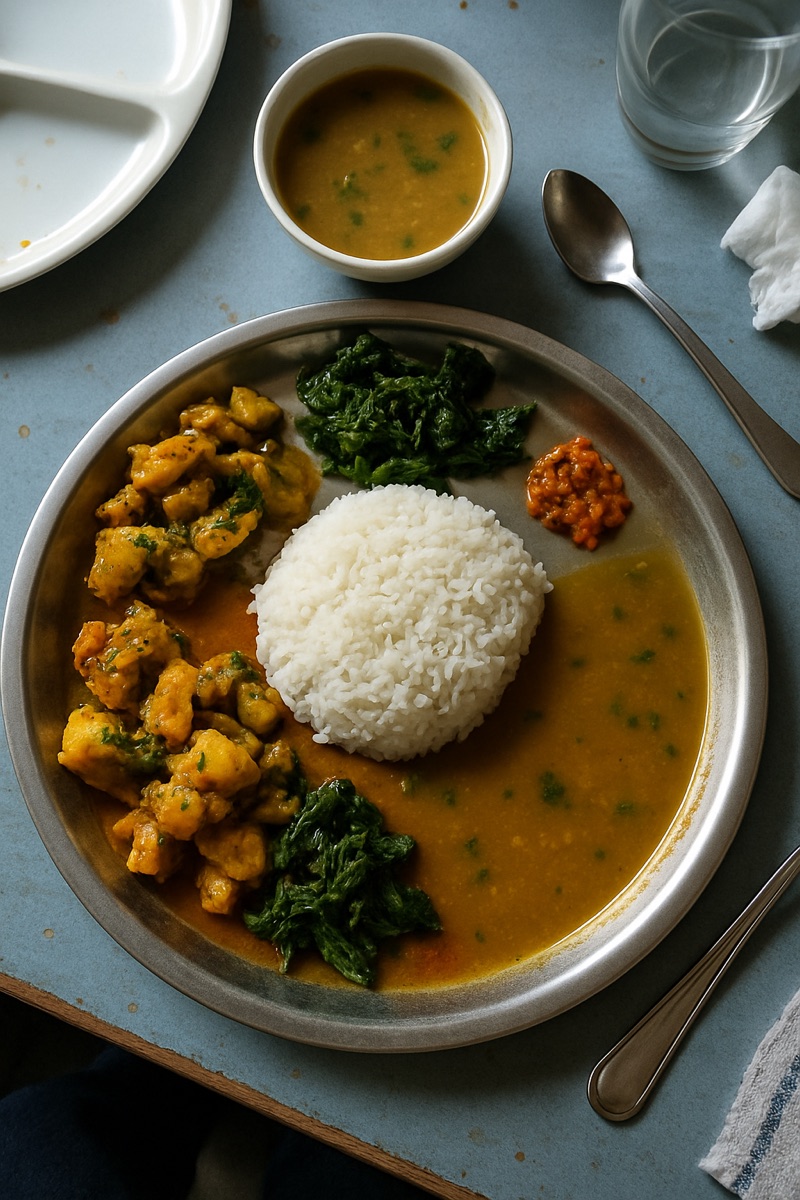
Nepal has no single cooking style: what people eat depends on altitude, climate and ethnic group, from the rice-growing Terai plains to the Himalaya. Nepali food has been shaped by both Indian and Tibetan cooking. Rice is the main source of energy, eaten at lunch and dinner every day, usually as dal bhat tarkari: lentil soup, rice and a vegetable curry, with achar, a fresh or fermented pickle, on the side. Where irrigated rice land is short, wheat becomes roti, and maize, buckwheat, barley or millet are cooked into dhindo.
The seasonings are distinctive. Nepal's tourism board lists timmur, a wild Sichuan pepper; jimbu, a dried Himalayan herb; fenugreek, asafoetida and ajwain; chuk, a sour lemon concentrate; and chhyapi, a local shallot. Observant Hindus never eat beef, while buffalo meat is central to Newar cooking. Two dishes compete for the title of national dish; see the national dish of Nepal.
Everyday meals
These are the dishes eaten at home, in every region, at least once a day.
- Dal bhat — Lentil soup and plain rice served with tarkari, a vegetable curry, and often achar, yogurt, or a chicken or mutton curry. The dal may be black, red, yellow, green or mixed lentils depending on the season. It is the standard meal, traditionally eaten twice a day, and it is also what trekkers eat on the trails to Everest.
- Dhindo — A stiff dough made by pouring millet, buckwheat or maize flour into boiling water and stirring hard, at about one part flour to three parts water. It is eaten with the fingers, dipped in lentil soup, curry or gundruk. Long seen as poorer food than rice, it is now back on city restaurant menus, and in Thakali sets it is sometimes served instead of rice.
- Gundruk — Leafy greens such as mustard, radish and cauliflower leaves, fermented in a pot for about a week and then sun-dried. It is cooked into a sour soup, gundruk ko jhol, or made into achar, and Nepal's tourism board calls it one of the country's national dishes.
- Thukpa — A hearty noodle soup eaten in the cold Himalayan regions, where people prefer warm food such as soup, tea and strong alcohol. It belongs to the Tibetan-influenced cooking of the mountains, along with momo, yak and goat meat, and tsampa.
Momo and snacks
Snacks fill the time between the two main meals, and many come from the Newar kitchen of the Kathmandu Valley.
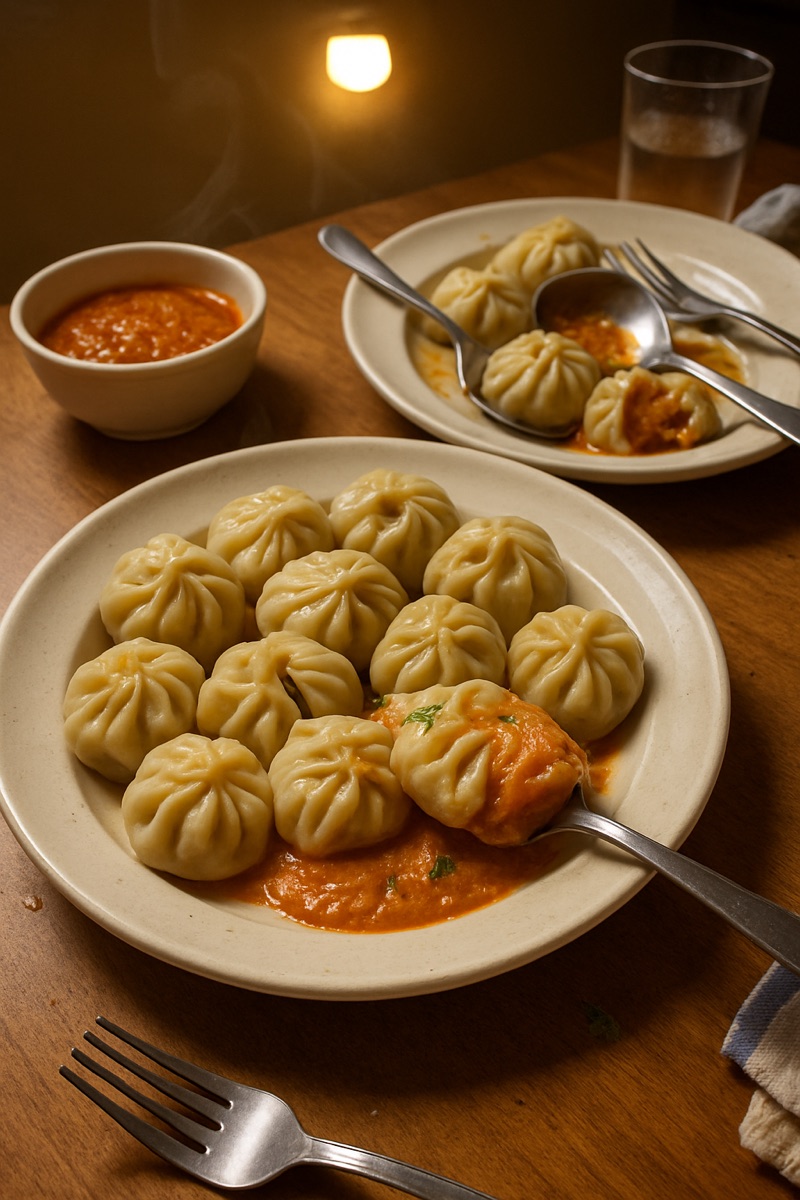
- Momo — Steamed dumplings filled with minced meat or vegetables and served with a tomato and sesame achar. Originally filled with buffalo meat, they are now commonly made with chicken, goat or vegetables, and also fried or served in soup as jhol momo. They are probably Nepal's most popular fast food, and are said to have been brought from Tibet by Newar traders.
- Sekuwa — Chicken, mutton or buffalo meat marinated and roasted on skewers over a wood fire. It is served with beaten or puffed rice, chopped onion, coriander and lime juice, and is among the most popular meat snacks in Nepal.
- Chatamari — A Newar rice-flour crepe topped with minced meat, egg, onion and spices, nicknamed the "Newari pizza" for its look. It is a traditional snack and a popular street food.
- Bara — A spiced lentil patty, called wo in the Newar language, where it comes from. It is now made by many communities across Nepal, for festivals and rituals or as an everyday snack.
Festival foods, sweets and drinks
Dessert is not a fixed course in Nepal; sweets are tied to festivals and are sometimes eaten for breakfast.
- Sel roti — A sweet, ring-shaped bread of rice flour batter deep-fried in oil or ghee. It is mostly made at home for Dashain and Tihar, offered to Laxmi, the goddess of wealth, and eaten on its own or with achar, curry or tea.
- Yomari — A steamed Newar dumpling of rice flour filled with chaku, a molasses sweet, sesame seeds or khuwa, thickened milk. It is the key food of the Yomari Punhi festival in winter, which thanks the harvest, and is also prepared for children's birthdays.
- Juju dhau — The "king of yogurt" from Bhaktapur, made with buffalo milk and set in clay pots, in which it is still sold. It is creamy, sweet and part of Newar religious celebrations.
- Kwati — A soup of nine kinds of sprouted beans, soaked three days in advance. It is eaten across the country at Janai Purnima, the full moon festival of August, and is one of the Newar festival dishes.
- Tongba — A fermented millet drink, sometimes called hot beer, from the eastern hills and mountains, served in its own cup-like vessel with a straw. Raksi, a home-distilled spirit, and chhyang, rice beer, are the other traditional drinks; tea with milk and sugar is the everyday one.
Regional cooking across Nepal
Newar cooking in the Kathmandu Valley is far more varied at festivals than everyday hill food: its feasts include chhoyla, buffalo meat grilled over burning wheat straw, kachila, spiced minced meat, and many fermented dishes. Thakali cooking, from the Thak Khola valley on an old trade route through the Himalaya, uses buckwheat, barley, dried meat and timmur, and it was long served in Thakali-run inns along the trade routes and in Pokhara. In the southern Madhesh, a typical meal is basmati rice with ghee, pigeon pea dal, vegetable fritters called tarua, pickles and yogurt, and Tharu cooks eat freshwater fish, crab and snails called ghonghi. In the high Himalaya, butter tea and tsampa are daily food.
Nepal's food shares much with its two big neighbours; compare with the traditional food of India and the traditional food of China, or explore the wider South Asian kitchen.
Cook Nepali food at home
Dal bhat, momo and sel roti each have a full recipe with quantities and step-by-step methods in the Copper app. You will find all three on our page dedicated to Nepali recipes.
The recipes
 Momo
Momo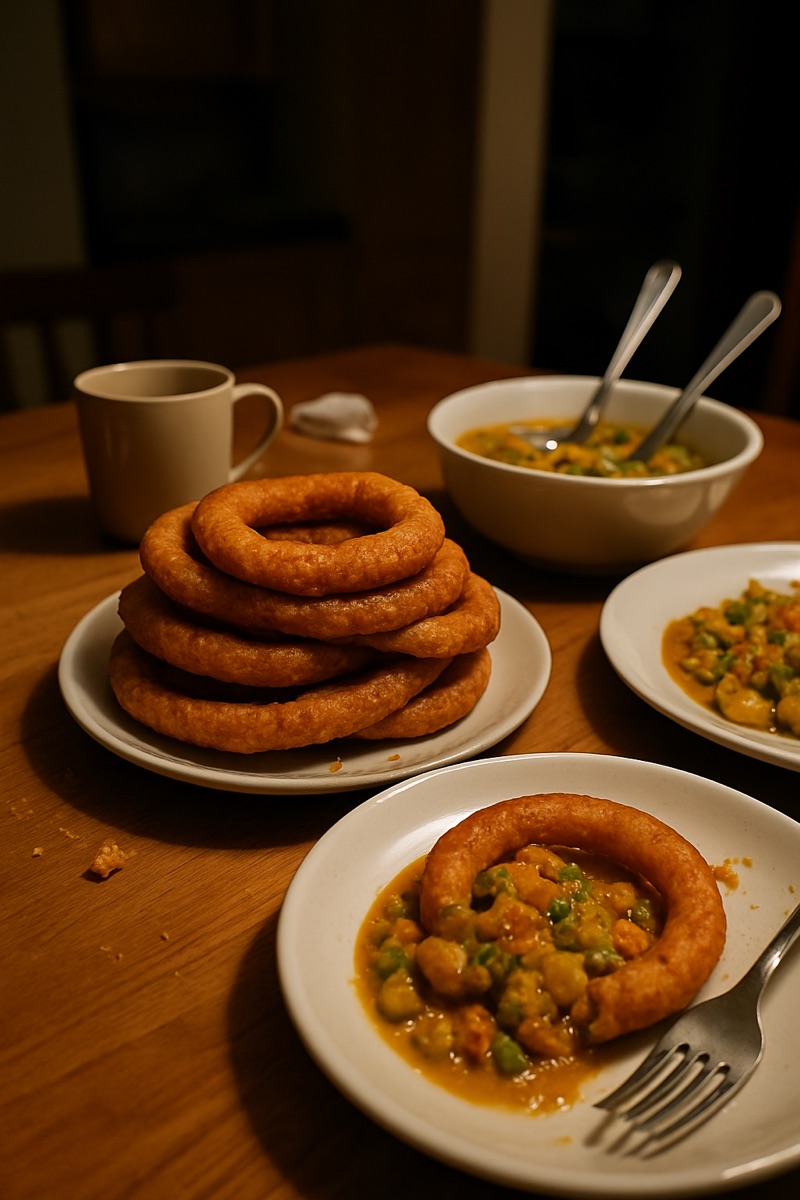 Sel roti
Questions people ask
What is the most popular food in Nepal?
Dal bhat is the everyday meal eaten throughout Nepal, usually twice a day. Momo is the most popular snack and fast food.
What do people in Nepal eat for breakfast?
Rice is eaten at lunch and dinner, so mornings are lighter. Sweets made with milk, yogurt and cheese are often eaten for breakfast as standalone meals, and in western Nepal chukauni, a potato and yogurt salad, is a popular breakfast dish.
Is Nepali food spicy?
It can be. Side dishes range from lentils and vegetable curries to extremely spicy pickles, and Thakali food is seasoned with timmur-ko-chhop, a mix of chilli powder, Sichuan pepper and salt.
What is the national dish of Nepal?
There is no official one. Dal bhat is the everyday answer, and dhindo with gundruk is named in some references as the national dish of the hills.
Is momo Nepali or Tibetan?
Both claim it. Momo are found in Nepali and Tibetan cooking, and a common belief is that Newar merchants brought the recipe from Tibet, where they traded.
Keep reading
- What is the national dish of Nepal?
- Traditional food of Bangladesh: 13 dishes to know
- Traditional food of Bhutan: 14 dishes to know
- Traditional food of India: 13 dishes to know
- Traditional food of the Maldives: 14 dishes to know
- Traditional food of Pakistan: 13 dishes to know