 COPPER
What is the national dish of Seychelles?
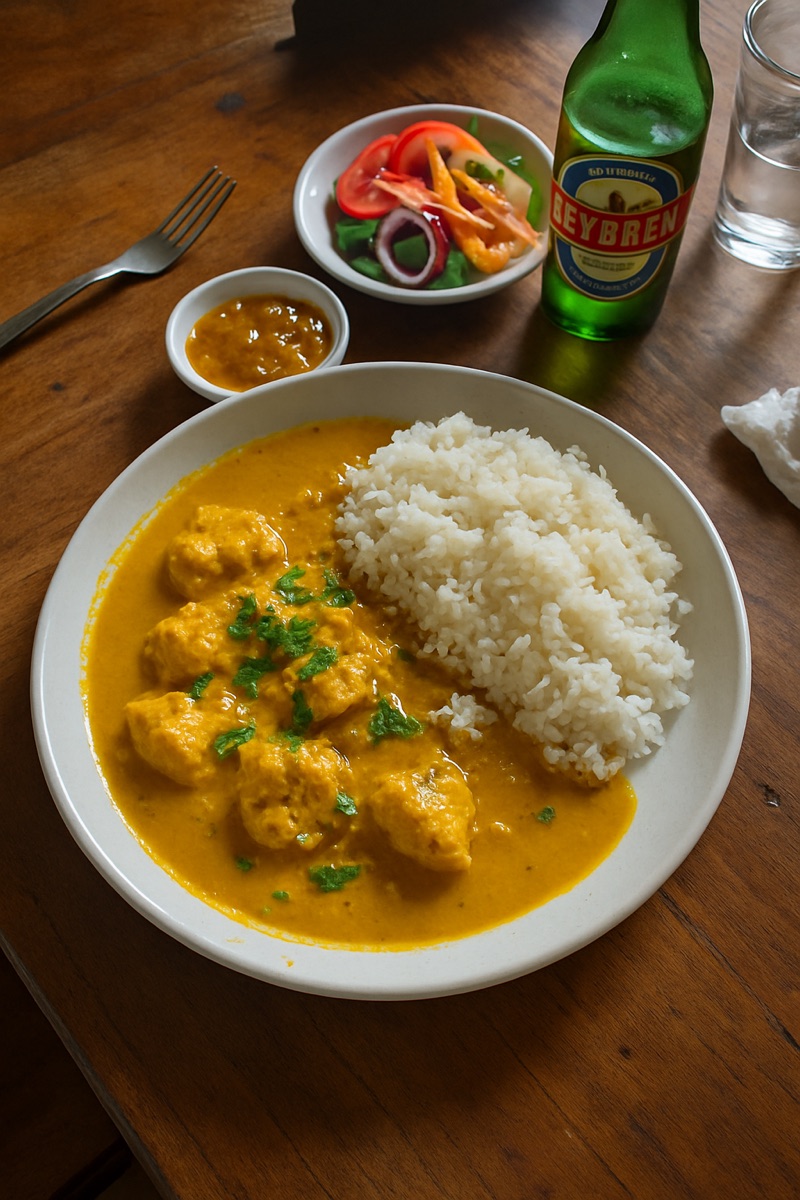
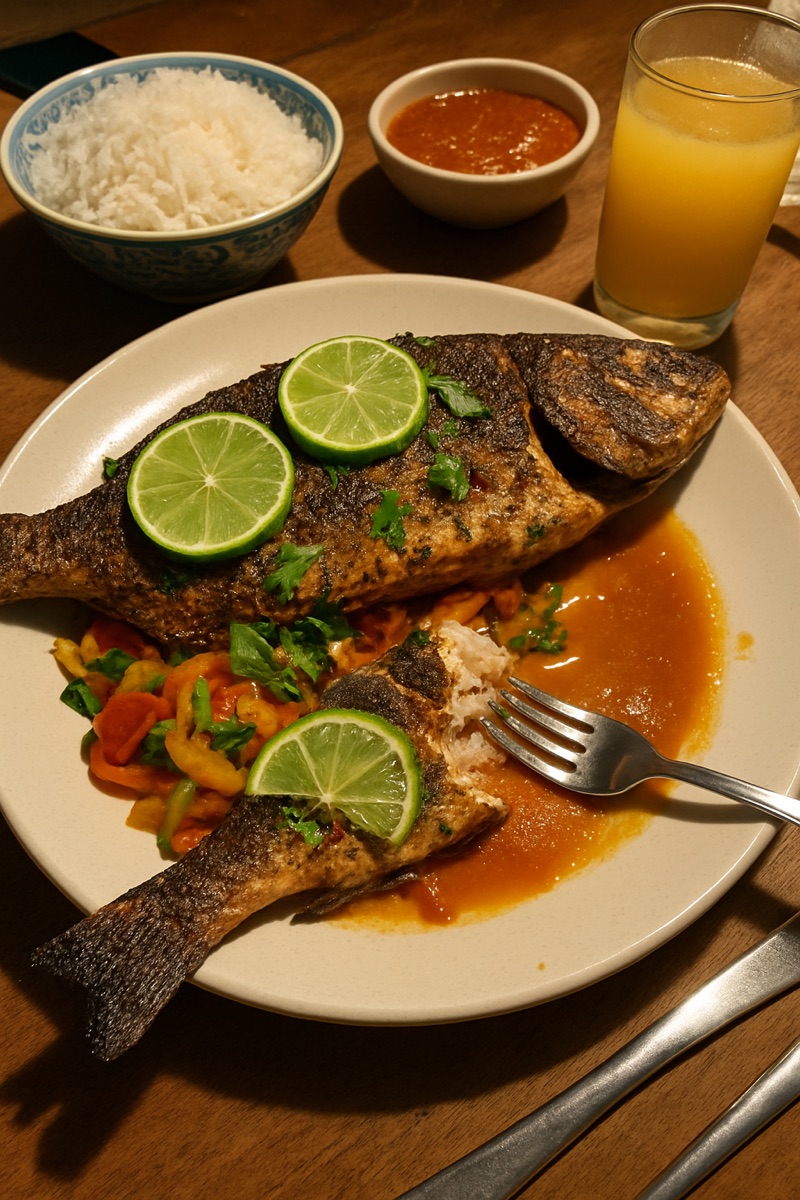
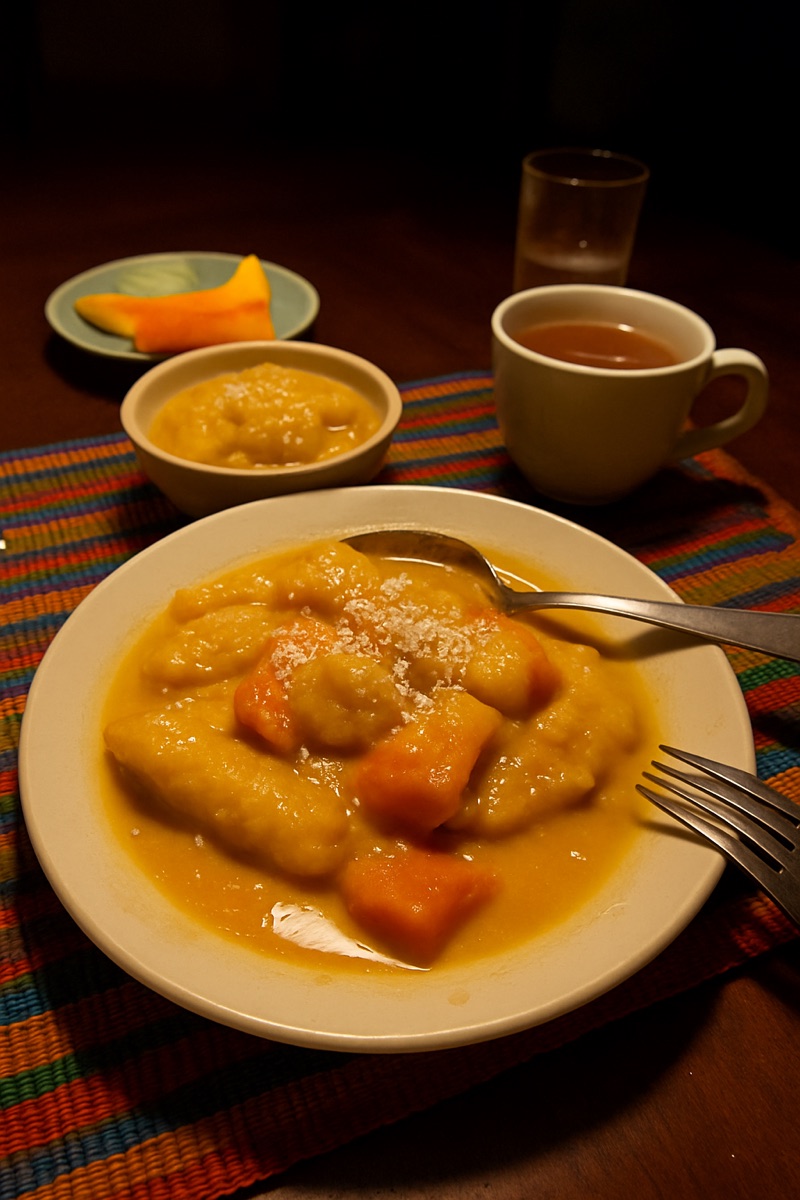
Seychelles has no official national dish. The two dishes Seychellois name most often are cari coco (kari koko), a curry simmered in coconut milk with masala and cinnamon leaves, and grilled fish stuffed with ginger, garlic and chilli, both served with rice and chilli chutney. Ladob, plantain and sweet potato cooked in coconut milk, is the staple most visitors are told to try.
Why Seychelles has no single national dish
Seychelles had no permanent inhabitants before the French settled it in 1770, and the islands passed to Britain in 1814. Enslaved Africans and Malagasy, then Indian and Chinese traders, all brought their cooking. The result is called *Creole cuisine* locally, and it is built on a few ingredients rather than one signature plate: fish, coconut, rice and chilli.
No government text names a national dish, and the reference lists of national dishes leave Seychelles out. Ask Seychellois which dish best represents the islands and the answer is usually one of two: coconut curry or grilled fish.
The spice box reflects that mix: ginger, lemongrass, coriander and tamarind are common, alongside curry powder, curry leaves, cinnamon bark and cinnamon leaves. Most dishes are cooked with, or served next to, a local chilli sauce called *lasos piman*.
Cari coco: the coconut curry
Curries, *kari* in Seychellois Creole, are the most common style of meal. Coconut milk runs through them because coconut plantations dominated the islands after slavery was abolished in 1835. Fish and octopus curries are the traditional versions; chicken, and even fruit bat, are cooked the same way.
The spices mix Indian and local: masala, turmeric, curry leaves and cinnamon leaves. Our cari coco recipe toasts the masala with a splash of water for 2 minutes, then simmers chicken in coconut milk for about 30 minutes, served with white rice and a chutney.
Octopus, *zourit* in Creole, is the other classic protein for kari koko, and *kari bernik*, a limpet curry, shows how far the seafood goes. Dhal (lentils) and saffron rice are other everyday dishes.
Grilled fish, the Seychelles way
Fish is the centre of the diet on an archipelago of 115 islands. It is steamed, salted, smoked, wrapped in banana leaves or curried, but grilling is the method people point to. Preparation is minimal: slits cut down the side and stuffed with garlic, ginger and chilli, then the fish goes over hot coals, often fired with coconut husks.
Red snapper, *bourzwa* in Creole, is the classic. Our grilled fish recipe slashes a whole snapper to the bone, packs the cuts with a pounded ginger, garlic and chilli paste, and grills it 12 to 15 minutes per side, basting often.
At the market in Victoria or by the roadside, the sound of a conch shell being blown is the traditional sign that fish has just come ashore for sale. Barracuda is also excellent grilled this way.
- Rice: always, plain and white.
- Satini: grated chutneys, of green papaya or shark (*satini reken*).
- Lasos piman: fresh chilli sauce on the table.
- Rougaille: a tomato and onion sauce, for fish or sausages.
Ladob, the staple everyone mentions
Ladob is eaten sweet or savoury. The sweet version is ripe plantain and sweet potato, sometimes cassava or breadfruit, simmered in coconut milk with sugar, nutmeg and a vanilla pod until the sauce turns creamy. The savoury one uses salted fish and salt instead of sugar.
Ladob was eaten in large amounts by the first arrivals on the islands, because plantain, cassava and breadfruit grew in abundance, and it remains a staple that many Seychellois eat several times a week. Breadfruit ladob is one of the classic desserts.
It is served hot or cold, and Seychellois often eat it chilled the next day. In our ladob recipe, the pan is barely stirred so the pieces stay whole and the coconut milk reduces on its own, with no flour.
Other dishes to know from Seychelles
Beyond curry and grilled fish, look for *bouyon bred* (a fish and greens soup), *kat-kat banane* (green bananas and fish in coconut milk), shark chutney, and *salad palmis*, a palm heart salad also called millionaire's salad.
Shark chutney (*satini reken*) deserves a word: boiled, skinned shark is mashed finely, cooked with the juice of bilimbi, a sour local fruit, and lime, then mixed with fried onion and spices. It is eaten on rice with lentils and shredded green papaya. Fish is also salted and smoked, a habit from the decades before refrigeration.
Fish is also an industry: the Indian Ocean Tuna processing plant in Victoria is one of the largest tuna canneries in the world. To drink, there is coconut water and fresh juice, *kalou* (palm wine), *bakka* (a local rum), and beers brewed on the islands such as Seybrew and Eku.
Recipes for all three dishes above are on our page about the food of Seychelles. For the neighbouring islands, see our guide to East African food and the national dish of Mauritius, where the Creole kitchen leans more Indian.
The recipes
- Cari coco🇸🇨 Seychelles · 1 hour
 Grilled fish🇸🇨 Seychelles · 1 hour and 45 minutes
 Ladob🇸🇨 Seychelles · 45 minutes
Questions people ask
Does Seychelles have an official national dish?
No. No law or decree names one. Coconut curry (cari coco) and grilled fish with rice and chilli chutney are the two most often cited.
What is ladob?
Ladob is plantain and sweet potato, sometimes cassava or breadfruit, simmered in coconut milk with sugar, nutmeg and vanilla. A savoury version uses salted fish and no sugar.
Is Seychelles food spicy?
Fairly. Curries, rougailles and chutneys use chilli generously, and a small bowl of chilli paste usually sits next to the rice.
What is the difference between Seychellois and Mauritian food?
Both are Creole, but Mauritian food leans more Indian, with dholl puri and biryani, while Seychellois food relies more on fish, octopus and coconut.
What fish is grilled in Seychelles?
Red snapper (bourzwa) is the classic; barracuda and many reef fish are grilled the same way, stuffed with garlic, ginger and chilli.
Keep reading
- Traditional food of Seychelles: 13 dishes to know
- What is the national dish of Burundi?
- What is the national dish of Comoros?
- What is the national dish of Djibouti?
- What is the national dish of Eritrea?
- What is the national dish of Ethiopia?