 COPPER
Traditional food of Nauru: 9 dishes to know
Traditional Nauruan food is built on seafood, coconut and pandanus, with coconut milk used in a great many dishes. Today almost all food is imported, so rice, canned meat and Chinese and Australian dishes sit beside the island classics. The most emblematic are coconut fish, raw tuna in coconut milk, taro leaf parcels baked with coconut cream, and the pandanus preserves edongo and ekareba.
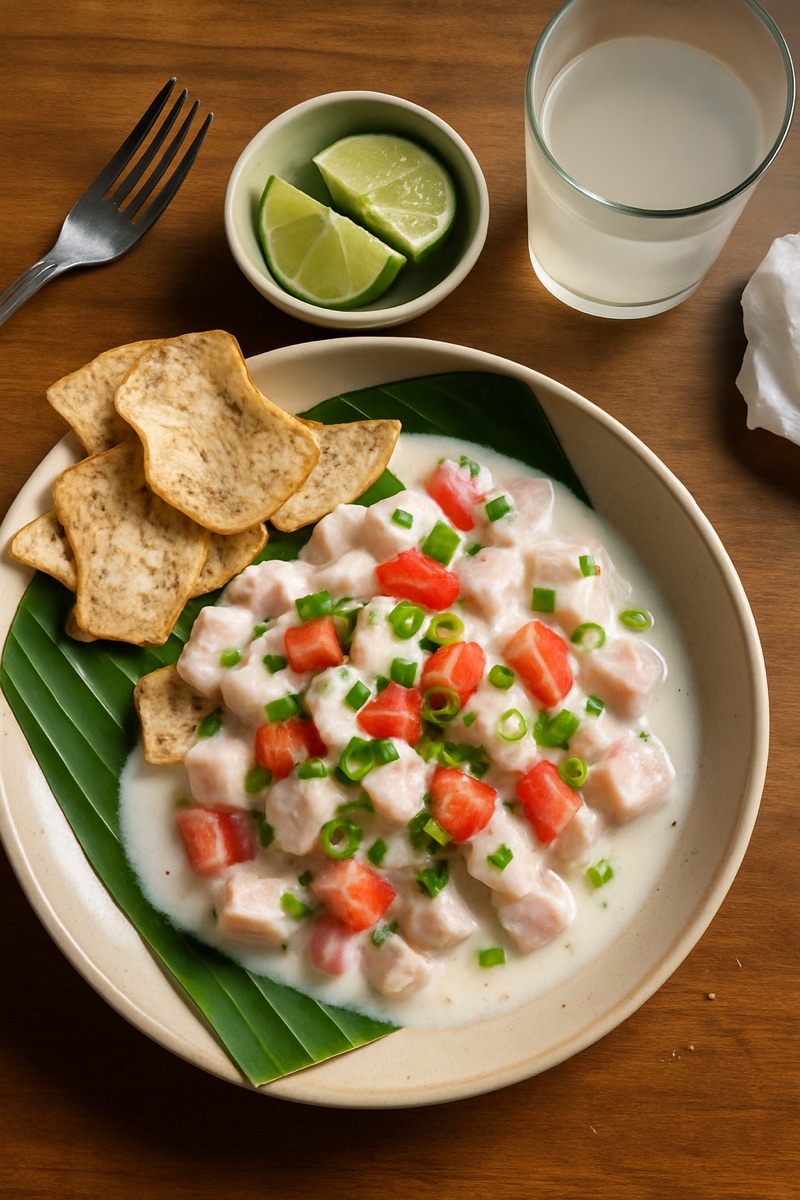
What Nauruan food is built on
Nauru is a single small island in the central Pacific, settled by Micronesians at least 3,000 years ago. Like their island neighbours, Nauruans have always eaten a lot of seafood and foods made from coconuts and pandanus fruit, and coconut milk goes into a great many dishes. In Nauruan the pandanus is epo and the coconut palm ini.
Household gardens once supplied much of the island's food: coconuts, breadfruit, bananas, pandanus, papaya and guavas. Phosphate mining destroyed about 90% of the arable land, and today almost all food is imported, leaving a diet of mainly processed foods such as rice and sugar. In 2011 only 13% of households kept a garden. The change has had a heavy cost: Nauru has one of the highest rates of obesity and type 2 diabetes in the world.
Two outside influences dominate modern Nauruan food. The Chinese are the largest foreign community, with Chinese restaurants across the island and most of all in Yaren, and Western food, especially from Australia, is everywhere. Coconut fish is the dish Nauruans call their own: see our article on the national dish of Nauru.
Island classics
- Coconut fish — Raw fish, usually tuna, cured in lime juice and served in coconut milk with seasonings, alone or with white rice. It is a traditional dish and the one named as Nauru's national dish; elsewhere in the Pacific it is kokoda, ika mata or 'ota 'ika. Our coconut fish recipe cures the fish until opaque, and a faster, barely cured version leaves the centre of each cube raw.
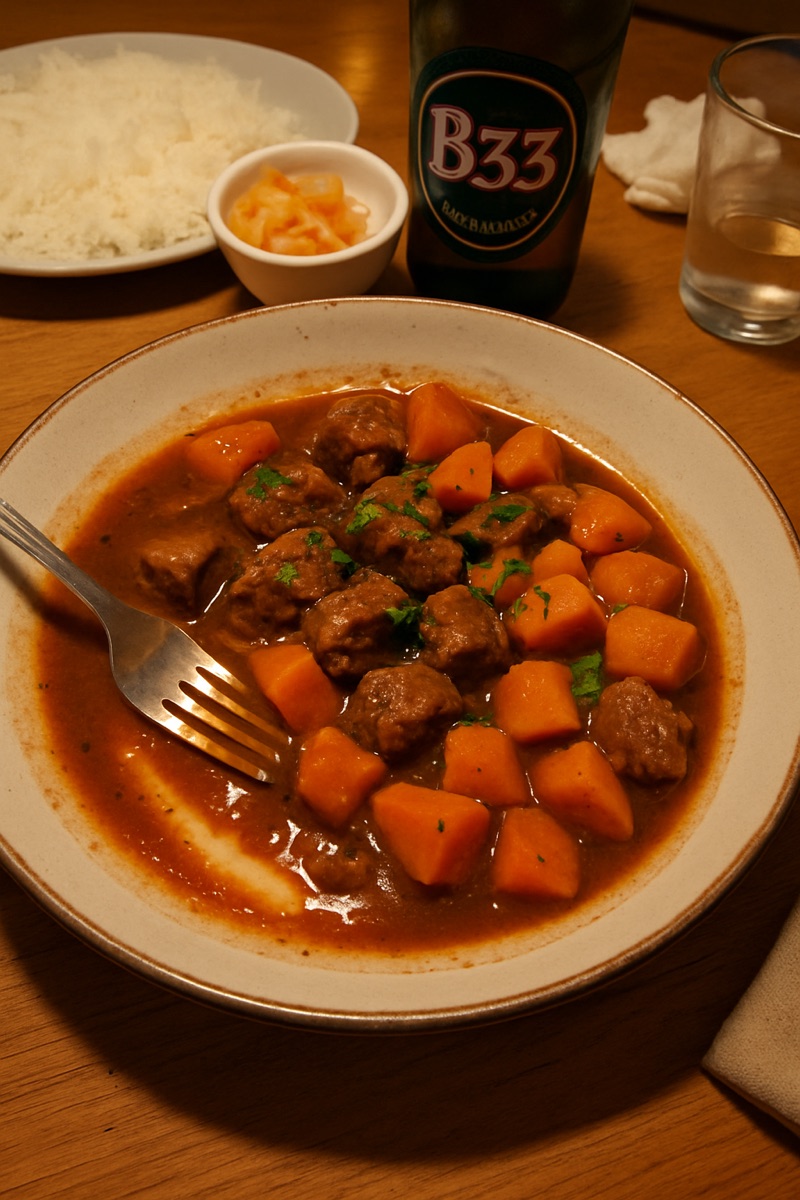
- Taro leaf parcels — Taro leaves filled with coconut cream and canned meat such as Spam or corned beef, wrapped and baked or steamed. Some traditional recipes still wrap food in taro leaves before it goes into the umu, the earth oven, which survives for special occasions. Our taro leaf parcel recipe uses corned beef and onion.
- Coconut-crusted fish — White fish coated in shredded coconut and breadcrumbs, sometimes marinated in lime juice first, then fried. It is usually served with white rice and vegetables.
- Breadfruit chips — Breadfruit sliced thin and fried until crisp, eaten as a snack or a side dish. Breadfruit, a relative of jackfruit, has a mild, nutty flavour.
Pandanus preserves
Pandanus, epo, grows on the land around Buada Lagoon, and its fruit was turned into preserves that keep for years when properly dried.
- Edongo — Pandanus paste. Ripe pandanus fruit is cooked for a long time in an earth oven, crushed and scraped for its pulp, spread thin on leaves and dried in the sun for several days, then rolled and tied tightly in pandanus leaves. The same preserve is made in Kiribati, the Marshall Islands and the Federated States of Micronesia.
- Ekareba — Edongo dried further in an earth oven and pounded into a flour, which is mixed with water as a drink. Kiribati makes the same flour and calls it te kabubu.
Everyday food since the Second World War
Canned meat became part of Nauruan life during the Second World War, and imports have only grown since. Chinese restaurants added their own staples: lemon chicken, marinated in lemon juice and fried until crisp, is one of the most popular dishes on the island, served with rice and extra lemon.
- Fried Spam with rice — Sliced Spam fried and served with rice, often with eggs or vegetables. Spam became popular on Nauru during the Second World War and is still a staple ingredient, as it is in Palau and the Marshall Islands.
Sweets and drinks
Coconut mousse is kept for special occasions. The drink listed as Nauru's national drink is a modern one: iced coffee.
- Banana and coconut Christmas cake — Most Nauruans are Christians, members of the Nauru Congregational Church, and they often celebrate Christmas with cakes made from banana and coconut.
- Pandanus tea — A herbal tea made from dried pandan leaves, which Nauruans believe helps with sleep and stomach aches.
Fishing traditions
Fishing still follows a traditional method: anglers wait in small, light boats for the fish to arrive, and the custom of fishing with trained frigatebirds has been preserved. Inland, Buada Lagoon was already being fished in the 1930s. Fishing remains a popular pastime, and the catch is what coconut fish depends on: fish fresh enough to eat raw.
Cook Nauruan food at home
Three Nauruan dishes have full step-by-step recipes in Copper: coconut fish, its faster version and taro leaf parcels. You will find them on our page about the food of Nauru, and the neighbouring kitchens in our guide to Pacific Island food.
Nauru's nearest neighbour shares its pandanus preserves: see the traditional food of Kiribati.
The recipes
 Bua
Bua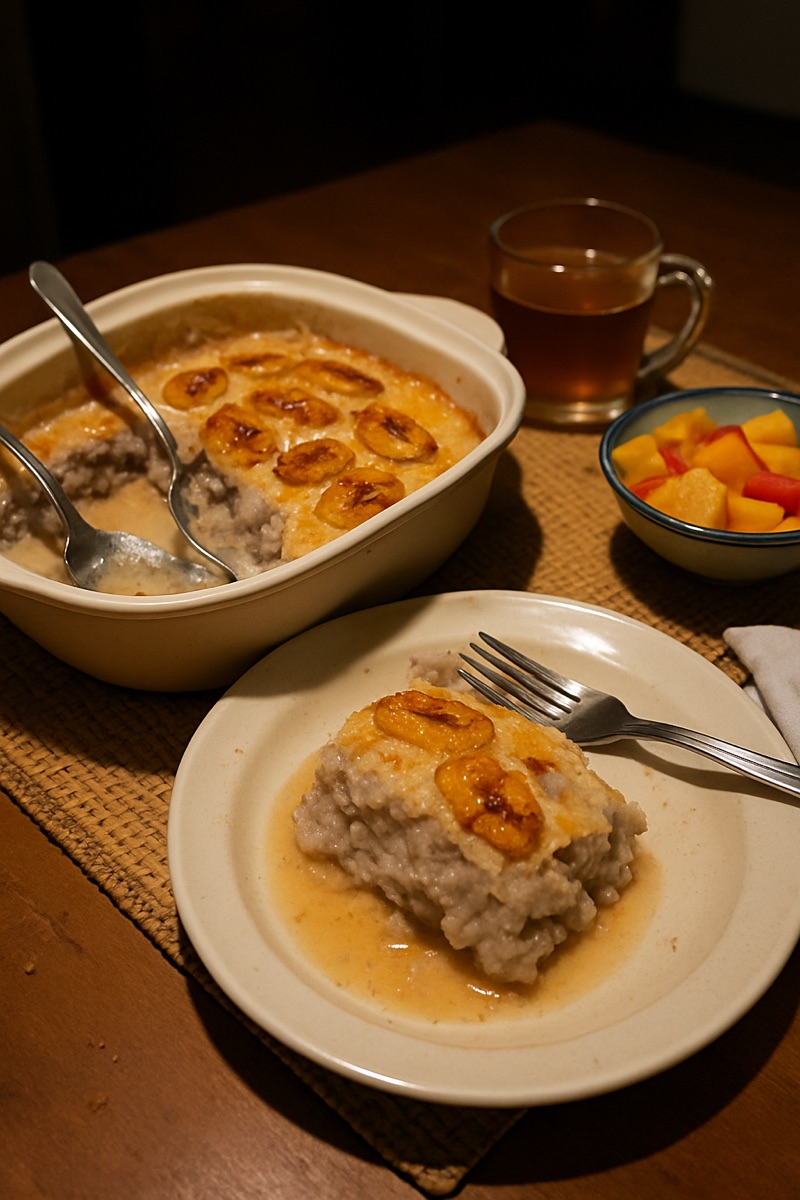 Muk
MukQuestions people ask
What is the most popular food in Nauru?
Coconut fish, raw tuna cured in lime and served in coconut milk, is the dish most associated with Nauru. In daily life, rice, canned meats and Chinese dishes such as lemon chicken are everywhere.
Why is almost all food in Nauru imported?
Phosphate mining destroyed about 90% of the island's arable land, so very little can be grown and most food has to be brought in.
What is edongo?
Edongo is Nauruan pandanus paste: the fruit is cooked in an earth oven, dried in the sun, rolled and wrapped in pandanus leaves. Pounded into flour, it becomes ekareba, mixed with water as a drink.
What is Nauru's national drink?
Iced coffee is listed as Nauru's national drink.
Is Nauruan food spicy?
Not as a rule. Coconut milk and lime set the flavour, with chilli used in moderation in dishes such as coconut fish.
Keep reading
- What is the national dish of Nauru?
- Traditional food of Fiji: 11 dishes to know
- Traditional food of Kiribati: 12 dishes to know
- Traditional food of the Marshall Islands: 12 dishes to know
- Traditional food of Micronesia: 14 dishes to know
- Traditional food of New Zealand: 14 dishes to know