 COPPER
Traditional food of Armenia: 14 dishes to know
Armenian food is built on wheat in every form, lamb and pork, eggplant, yogurt (matzoon), cheese and great handfuls of fresh herbs, with flavour coming from fresh ingredients more than spices. Stuffing, slow cooking and grilling are the core techniques. The most emblematic dishes are the flatbread lavash, the barbecue khorovats, stuffed grape leaves tolma and the wheat porridge harissa.
What Armenian food is built on
Lamb, eggplant and bread are the basic features of Armenian cooking. Wheat is the primary grain and appears as whole and shelled wheat, bulgur, semolina and flour; Armenians traditionally prefer cracked wheat to maize and rice. Beans, lentils and chickpeas are used liberally, and walnuts, apricots, quince, plums and pomegranate add sweetness or sourness. The apricot's scientific name, Prunus armeniaca, refers to Armenia. Pork is the most popular meat, though lamb, beef and goat are eaten too.
Dishes are often stuffed, puréed or slow cooked, many of them in the tonir, a traditional conical clay oven. Fresh herbs such as tarragon, purple basil, coriander and dill are used extensively, both in dishes and on the side, and yogurt, called matzoon, goes into soups and sauces. Meals often start with a spread for the table: lavash, cheese, cured meats, herbs and pickles.
Armenia has no single official national dish; the candidates, harissa, khorovats and tolma, are explained in our article on the national dish of Armenia.
Bread
- Lavash — A thin flatbread of wheat flour and water, rolled out, stretched over an oval cushion and slapped against the wall of the tonir, where it bakes in under a minute. It is usually made by groups of women, wraps cheese, herbs and grilled meat, and can be dried and kept for months. UNESCO inscribed Armenian lavash on its intangible heritage list in 2014; a joint nomination on flatbread-making by Azerbaijan, Iran, Kazakhstan, Kyrgyzstan and Turkey followed in 2016.
- Zhingyalov hats — Flatbread stuffed with finely diced herbs and greens such as spinach, coriander, parsley, dill and mint, folded closed and cooked. It comes from Artsakh and Syunik, where it was a staple in times of famine and war.
Grilled meat and stuffed dishes
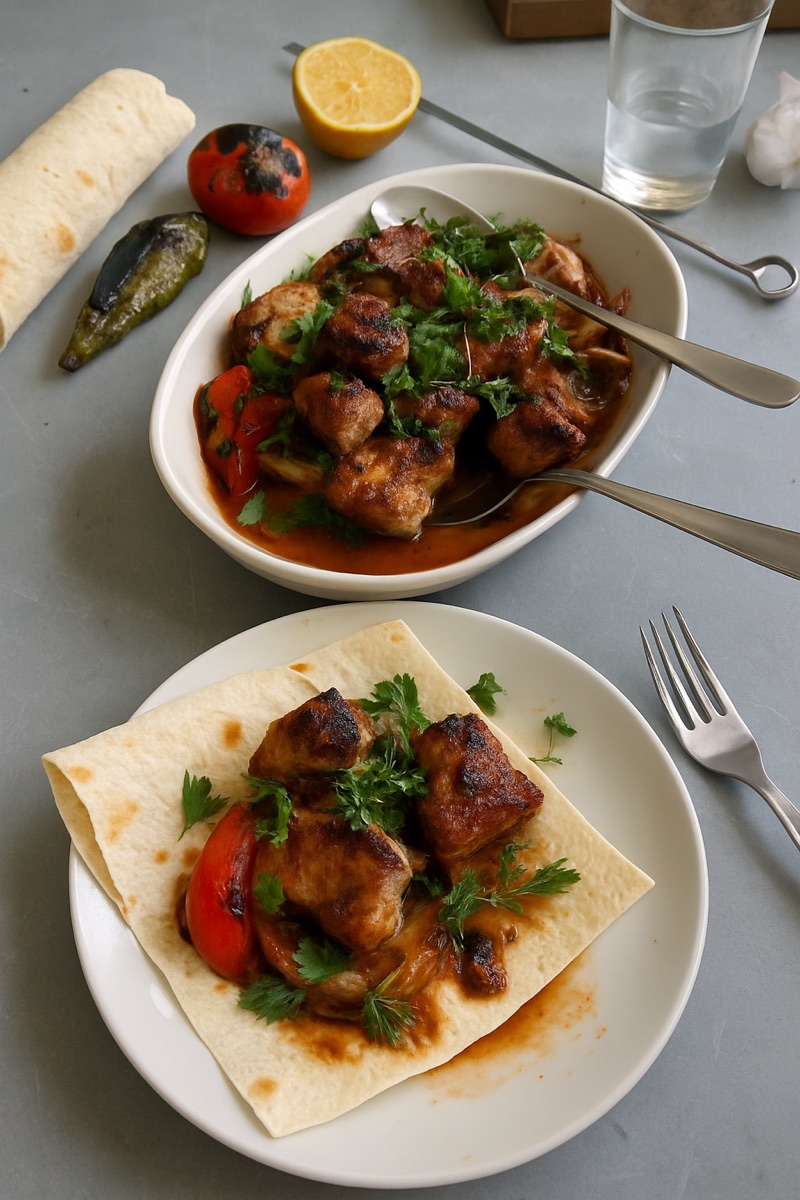
- Khorovats — Armenian barbecue, from the verb khorovel, to grill. It is usually pork, sometimes lamb, marinated in onion and grilled on skewers over embers, with eggplants, tomatoes and peppers charred alongside. No Armenian banquet is considered complete without grilled meat.
- Lula kebab — Minced meat seasoned with onion, tail fat, salt, black pepper and sumac, pressed around skewers and grilled. It is served with lavash, grilled onions and pomegranate.
- Tolma — Minced meat and rice rolled in grape leaves, or stuffed into cabbage, eggplants and peppers, and simmered; the Armenian version is served with garlic yogurt. Its origin is disputed with Azerbaijan: tolma is on Armenia's national heritage list, while UNESCO inscribed dolma making in Azerbaijan in 2017.
- Basturma — Beef salted, dried and cured, then coated with chaman, a spice paste of fenugreek, paprika, cumin and garlic. Some sources trace dried meat called aboukh back to ancient Armenia. It is sliced thinly and served as an appetizer with lavash.
Soups, stews and wheat dishes
- Harissa — A thick porridge of shelled wheat and chicken or lamb cooked for hours and beaten until grain and meat become one. It was traditionally cooked on feast days in communal pots and is eaten on Easter day. It has nothing to do with the North African chilli paste of the same name.
- Khash — Cow's feet, and sometimes the head and stomach, simmered with herbs into a clear broth. It is eaten early in the morning in winter, with garlic, salt, black pepper and lavash, and is mentioned by medieval Armenian authors from the 11th century on.
- Eetch — A salad of cracked wheat turned red with crushed tomato, mixed with onion, parsley, olive oil, lemon, paprika and peppers. It is close to the Middle Eastern tabbouleh and is served cold.
- Khashlama — Lamb and vegetables stewed together, traditionally in the tonir, and eaten with lavash.
- Spas — A soup of matzoon yogurt with hulled wheat and herbs, sometimes enriched with butter, onion or meatballs. Rice, barley or bulgur can replace the wheat.
Sweets
- Gata — A sweet bread, often filled with koritz, a mixture of flour, butter and sugar, and in many regions with walnuts. Each town has its own shape; gata from Garni and Geghard is round and decorated. It is traditionally eaten at Candlemas, and its preparation is on Armenia's national intangible heritage list.
- Pakhlava — Armenian baklava: layers of filo with a cinnamon-spiced walnut filling and a syrup of cloves, cinnamon, lemon and sugar, cut into diamonds. It is made for Christmas and Easter; some recipes use 40 sheets of dough for the 40 days of Lent, and the town of Gavar makes its own 25-layer version with a honey syrup.
- Ghapama — A pumpkin hollowed out and stuffed with rice, butter, honey, dried fruits and nuts, sometimes with meat, then baked and usually served as a dessert. Pumpkins only reached Armenia from the Americas in the 19th century, and ghapama is one of the dishes that made them Armenian.
Food for feasts and fasts
Much of Armenian cooking follows the church calendar. Harissa is the Easter dish, once cooked in communal pots and given as charity. At Christmas and on New Year's Eve, Armenians serve anoushabour, a grain pudding flavoured with rose water, garnished with pomegranate seeds and shared with neighbours, and roasted piglet, gochi, is a traditional New Year dish. Gata is baked for Candlemas.
During Lent, when meat is forbidden, nuts, beans, lentils and herbs carry the meal, and meatless yalanchi tolma is filled with seasoned rice. For weddings, lavash is laid on the shoulders of the newlyweds as a blessing of fertility and prosperity.
Cook Armenian food at home
Khorovats, tolma and harissa have full recipes, with ingredients and steps, on our page about the food of Armenia. Armenian food shares a great deal with its neighbours: compare it with the traditional food of Georgia, whose khachapuri is a common street food in Armenia, or explore the region in our guide to Caucasian food.
The recipes
- Khorovats🇦🇲 Armenia · 7 hours and 30 minutes
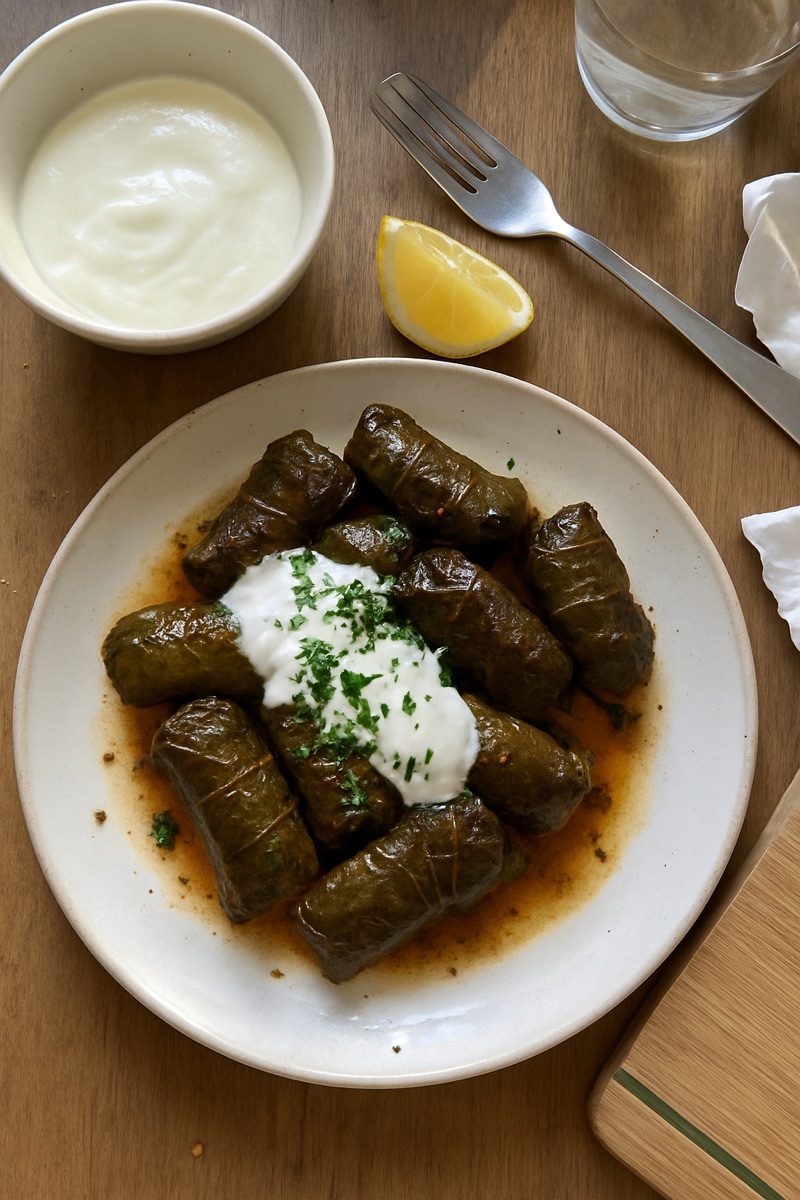 Dolma🇦🇲 Armenia · 1 hour and 50 minutes
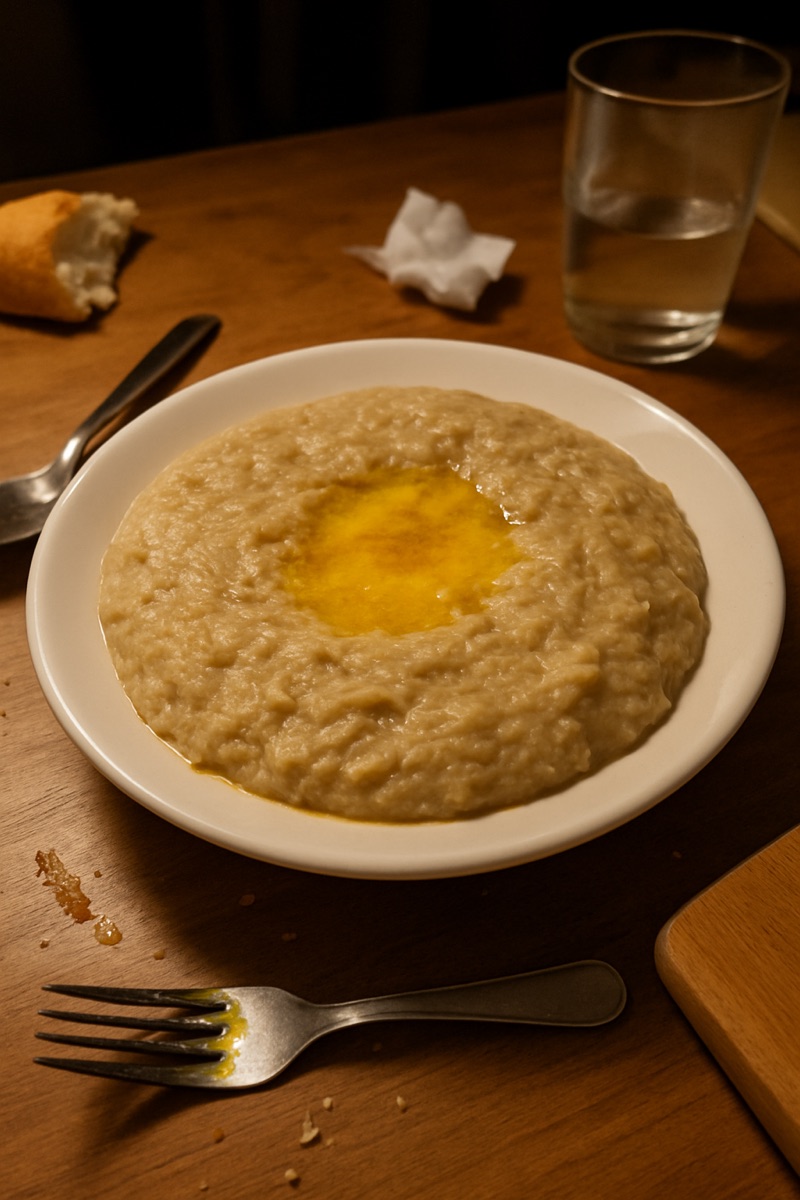 Harissa🇦🇲 Armenia · 19 hours and 10 minutes
Questions people ask
What is the most popular food in Armenia?
Khorovats, Armenian barbecue, is the dish no feast goes without. Lavash, tolma, lula kebab and harissa are also among the most typical Armenian foods.
What do Armenians eat for breakfast?
A typical Armenian table starts with bread, butter, cheese and fresh or pickled vegetables. Loligov dzvadzekh, eggs scrambled with tomato and herbs and eaten with lavash, is a very common breakfast dish. In winter, khash is eaten early in the morning.
Is Armenian food spicy?
Generally not. Armenian cooking relies on the quality and freshness of its ingredients and on herbs rather than on heavy spicing. Cinnamon is common, and the stronger spice blend chaman is mainly used to coat basturma.
What is the national bread of Armenia?
Lavash, a thin flatbread baked against the wall of a clay tonir oven. Its preparation was inscribed on UNESCO's intangible heritage list in 2014.
Is dolma Armenian or Azerbaijani?
Both countries claim it. Tolma is on Armenia's national heritage list, and UNESCO inscribed dolma making in Azerbaijan in 2017. Stuffed vine leaves and vegetables are also cooked across the former Ottoman lands and Iran.
Keep reading
- What is the national dish of Armenia?
- Traditional food of Azerbaijan: 13 dishes to know
- Traditional food of Georgia: 14 dishes to know
- What is the national dish of Azerbaijan?
- What is the national dish of Georgia?
- Traditional food of Afghanistan: 12 dishes to know