 COPPER
Traditional food of Mexico: 12 dishes to know
Mexican food is built on corn, beans and chillies, with corn cooked in lime (nixtamalized) and ground into masa for tortillas and tamales. UNESCO listed traditional Mexican cuisine as intangible heritage in 2010. The most emblematic dishes are mole poblano, a dark chilli sauce served with turkey, tacos al pastor, tamales and pozole, a hominy soup.
What Mexican food is built on
Three plants carry Mexican cooking: corn, beans and chillies, joined by tomatoes, tomatillos, squash, avocado and cocoa. The key technique is nixtamalization: dried corn is cooked in water with lime, then ground into masa. It softens the grain, improves its nutritional value and makes the dough that becomes tortillas, tamales, tlayudas and the hominy in pozole.
Chillies are used fresh, dried, smoked and toasted, as much for colour and depth as for heat. Sauces are often ground on a stone metate or molcajete. In 2010 UNESCO inscribed traditional Mexican cuisine on its list of the intangible cultural heritage of humanity, citing this whole chain from the milpa cornfield to the kitchen.
Street food and everyday dishes
Much of Mexican eating happens at street stands and markets, on a corn tortilla.
- Tacos al pastor — Pork marinated in dried chillies, spices, achiote and pineapple, cooked on a vertical spit called a trompo and shaved into small corn tortillas with onion, coriander and pineapple. The technique came from Lebanese immigrants and their shawarma, and the dish is a staple of Mexico City street food. Pork replaced lamb by the 1920s, and the modern version took shape around the 1960s.
- Esquites — Corn kernels simmered with epazote and served in a cup, finished with lime, mayonnaise, crumbled cheese and chilli powder. It is a street snack sold from carts, the off-the-cob version of elote.
- Enchiladas — Corn tortillas rolled around a filling, usually chicken, cheese or beans, and covered with a chilli sauce, red or green. They are eaten at any time of day and vary from one region to the next.
- Chilaquiles — Fried tortilla triangles simmered briefly in red or green salsa until they start to soften, topped with cream, fresh cheese and onion. A breakfast dish made to use up leftover tortillas, often served with eggs and refried beans.
- Tinga de pollo — Shredded chicken stewed with onion in a tomato sauce smoked by chipotles in adobo, a dish from Puebla. It is piled on crisp tostadas or eaten in tacos.
Sauces, stews and soups
- Mole poblano — A dark sauce from Puebla made from several dried chillies such as ancho, pasilla and mulato, with spices, seeds, nuts and, in many versions, chocolate; recipes average about 20 ingredients. It is traditionally served over turkey at weddings, Christmas and Day of the Dead; in Mexico, to go to a mole means to go to a wedding.
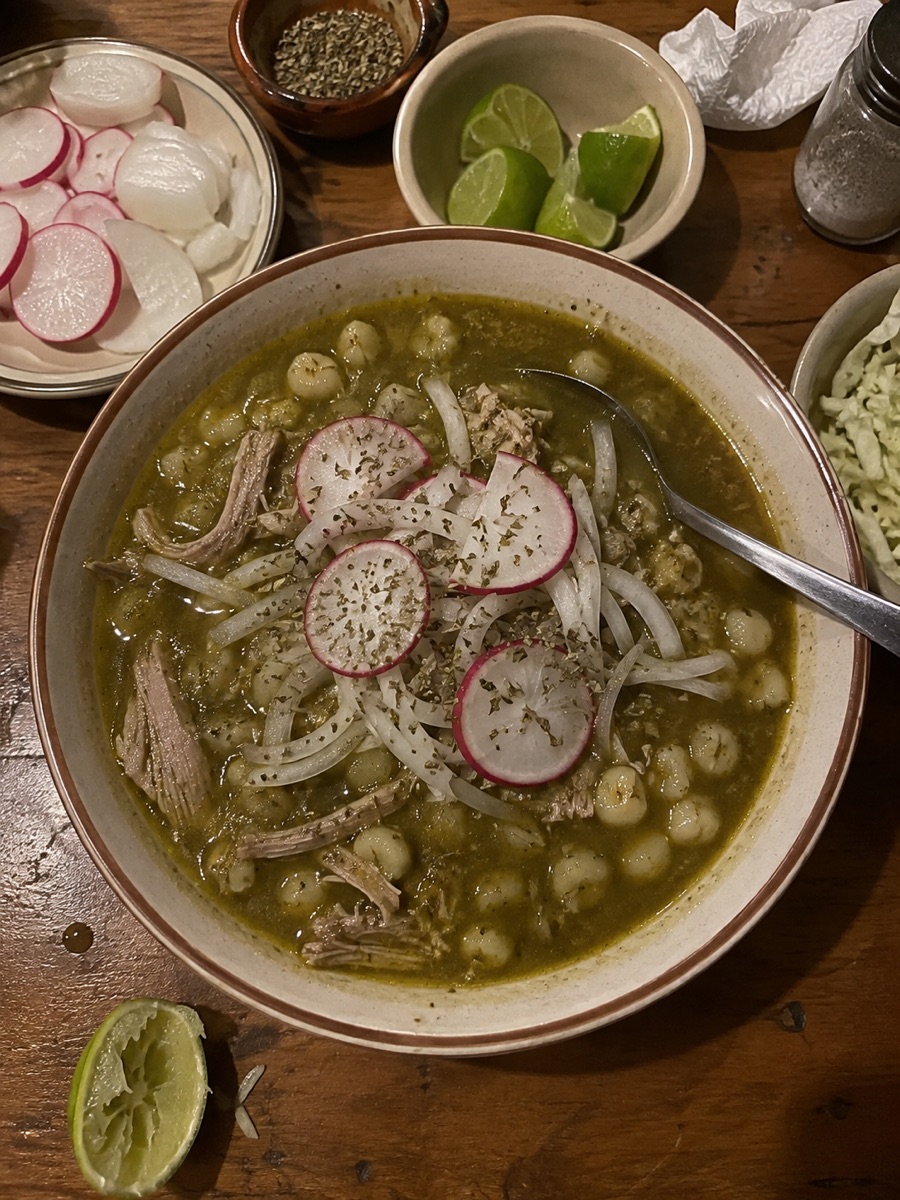
- Pozole verde — Pozole is a soup of hominy, large nixtamalized corn kernels, usually with pork. The green version gets its colour from tomatillos, fresh chillies and toasted pumpkin seeds, and is garnished at the table with radish, lettuce, oregano and lime.
- Cochinita pibil — A Maya dish from the Yucatán: pork marinated in achiote and bitter orange juice, wrapped in banana leaves and traditionally slow-roasted in a pit oven called a píib. It is served with tortillas, pickled red onion and habanero. The achiote gives the meat its deep orange-red colour.
- Chiles en nogada — Poblano chillies stuffed with picadillo of meat, fruit and spices, covered in a walnut cream sauce and scattered with pomegranate seeds and parsley. Green, white and red like the flag, it comes from Puebla and is made in August and early September, when pomegranates are in season, around Independence Day. Tradition says it was first served to Agustín de Iturbide after the signing of the Treaty of Córdoba in 1821.
Corn dough, breads and festival food
Traditional drinks go with all of these: horchata, a sweet rice drink; atole and champurrado, hot drinks thickened with corn masa, the second flavoured with chocolate; and tequila and mezcal, both distilled from agave.
- Tamales — Corn masa, often beaten with lard, filled with meat, chilli sauce, cheese or something sweet, then wrapped in a corn husk or banana leaf and steamed. They are eaten for breakfast with atole and made in large batches for celebrations.
- Tlayudas — A Oaxacan speciality: a very large, thin, crisp corn tortilla, over 40 cm across, spread with asiento (unrefined pork lard) and refried beans, topped with Oaxaca cheese and meats such as tasajo, then seared on a comal or charred on a grill. It is served open or folded in half.
- Pan de muerto — A soft sweet bread decorated with dough shaped like bones, baked for the Day of the Dead at the end of October and start of November. It is shared with family and placed on the ofrendas, the altars built for the dead.
Mexico region by region
Oaxaca is known for its seven moles, tlayudas, chocolate drinks and mezcal. Puebla gave the country mole poblano, chiles en nogada and tinga. The Yucatán cooks with achiote, bitter orange and habanero in dishes of Maya origin such as cochinita pibil. Mexico City is the capital of street food, from tacos al pastor to esquites. In the north, cattle country, wheat-flour tortillas and grilled beef are more common than in the south.
With so many regional traditions, the question of a single dish to represent the country is open to debate; we look at it in our article on the national dish of Mexico. Mexico also belongs to the wider Central American kitchen, which shares its corn and bean base.
Cook Mexican food at home
Pozole verde, tinga de pollo and esquites are on Copper with full ingredient lists and step-by-step methods. You will find them, with the other dishes we document, on our food of Mexico page.
To follow the same corn and chilli traditions south of the border, read our guide to the traditional food of Guatemala, where tamales and stews show the same Maya roots.
The recipes
- Pozole verde🇲🇽 Mexico · 2 hours and 15 minutes
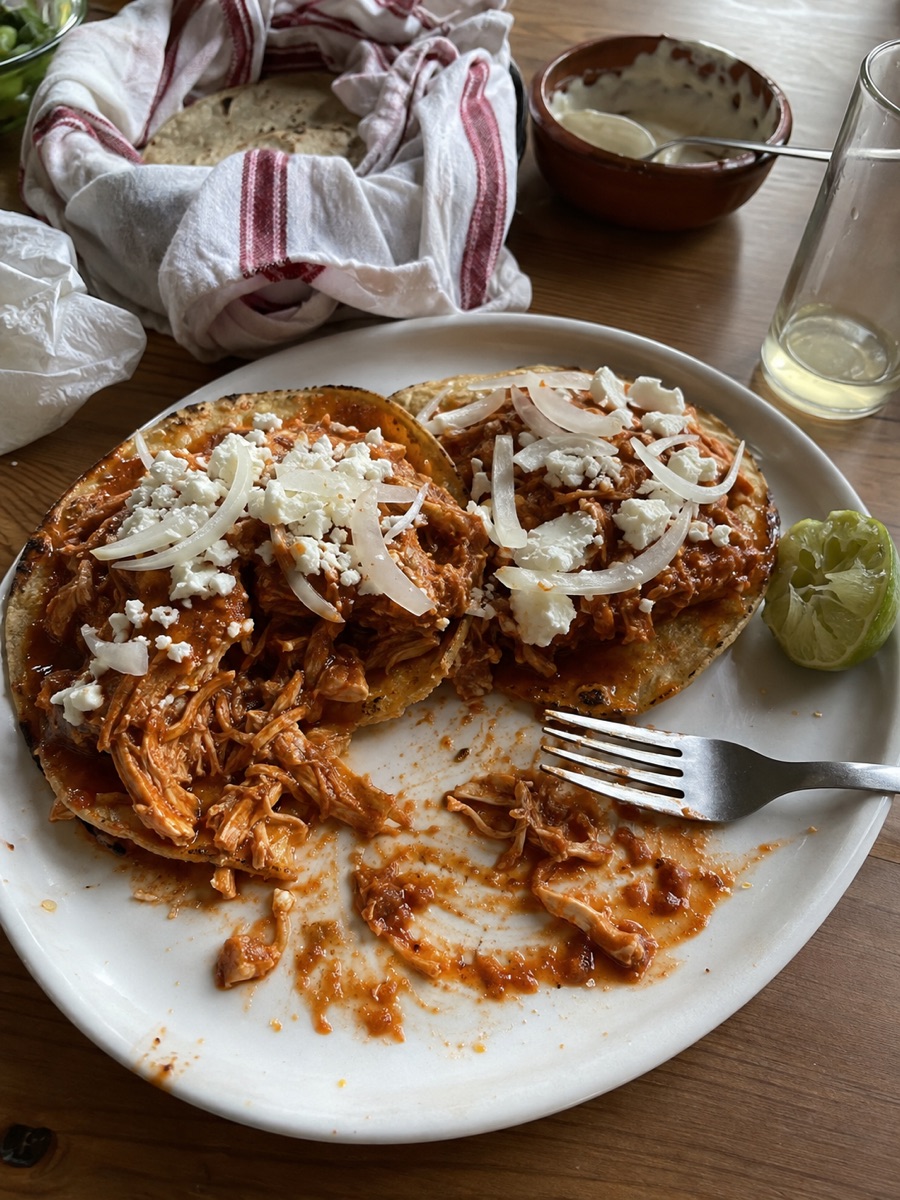 Tinga de pollo🇲🇽 Mexico · 45 minutes
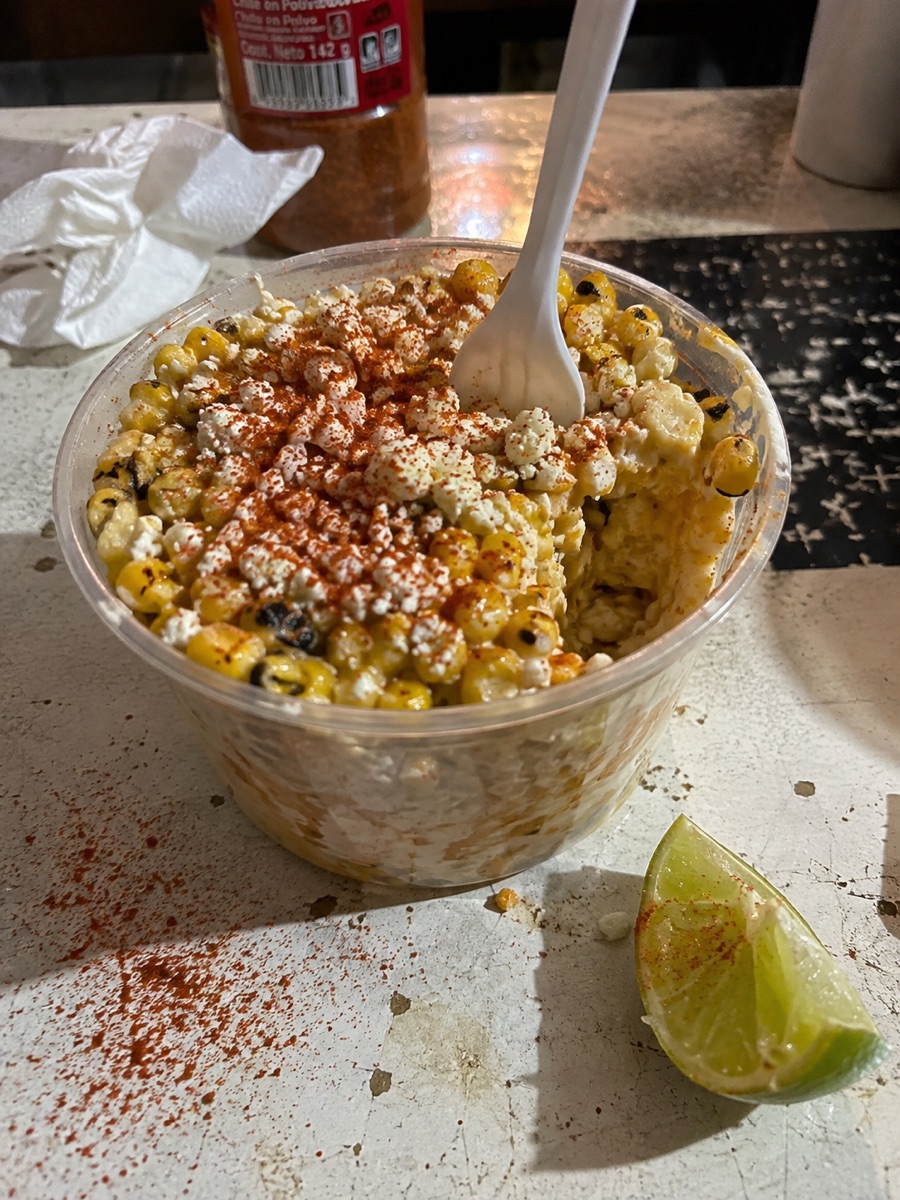 Esquites🇲🇽 Mexico · 25 minutes
Questions people ask
What is the most popular food in Mexico?
Tacos are the most common everyday food, with tacos al pastor the classic of Mexico City. Mole poblano is the dish most often called the national dish, and tamales and pozole are served at most celebrations.
What do people in Mexico eat for breakfast?
Common breakfasts include chilaquiles, eggs with beans and tortillas, tamales with atole, and meat broths such as pancita, usually with coffee or juice.
Is Mexican food spicy?
Chillies are in almost every dish, but many are used for flavour and colour rather than heat. The heat usually comes from the salsa added at the table, so each person sets their own level.
Is Mexican cuisine recognised by UNESCO?
Yes. Traditional Mexican cuisine was inscribed in 2010 on UNESCO's Representative List of the Intangible Cultural Heritage of Humanity.
What is the difference between pozole rojo, blanco and verde?
All three are hominy soups. Pozole blanco has no chilli sauce, rojo is coloured with dried red chillies, and verde gets its colour from tomatillos, green chillies and pumpkin seeds.
Keep reading
- What is the national dish of Mexico?
- Traditional food of Belize: 12 dishes to know
- Traditional food of Costa Rica: 14 dishes to know
- Traditional food of El Salvador: 12 dishes to know
- Traditional food of Guatemala: 12 dishes to know
- Traditional food of Honduras: 13 dishes to know