 COPPER
Traditional food of Canada: 14 dishes to know
Traditional Canadian food grew from Indigenous, French and British cooking, adapted to long winters and built on pork, potatoes, salt fish, game and maple syrup, then widened by Jewish, Ukrainian and later Asian immigrants. The most emblematic dishes are poutine, tourtière, butter tarts and Nanaimo bars, alongside Montreal smoked meat, pea soup and maple taffy.
What Canadian food is built on
First Nations and Inuit have cooked in what is now Canada for at least 15,000 years, from wild game, fish and more than five hundred gathered plant species. Maple syrup was first collected by the Indigenous peoples of eastern Canada, and Canada is still the world's largest producer; Quebec alone supplies about 72% of the maple syrup sold worldwide. Bannock, a fried or griddled bread that came out of the exchange with European fur traders, is still eaten by First Nations and Inuit across the country.
French settlers of New France shaped the cooking of Quebec and Acadia, while settlers from the British Isles shaped Ontario, the Maritimes and Newfoundland, with a preference for salt-cured fish, beef and pork. Hard winters and frontier work produced a food rich in breads, starches, stews and soups. Later waves of immigration added their own staples: Jewish delis in Montreal, Ukrainian and Polish pierogi on the Prairies, Icelandic baking in Manitoba, and Chinese, South Asian and Caribbean cooking in the cities.
No law names a national dish, and Canadians rarely agree on one. Polls keep returning the same short list, which is the core of the guide below.
Main dishes and soups
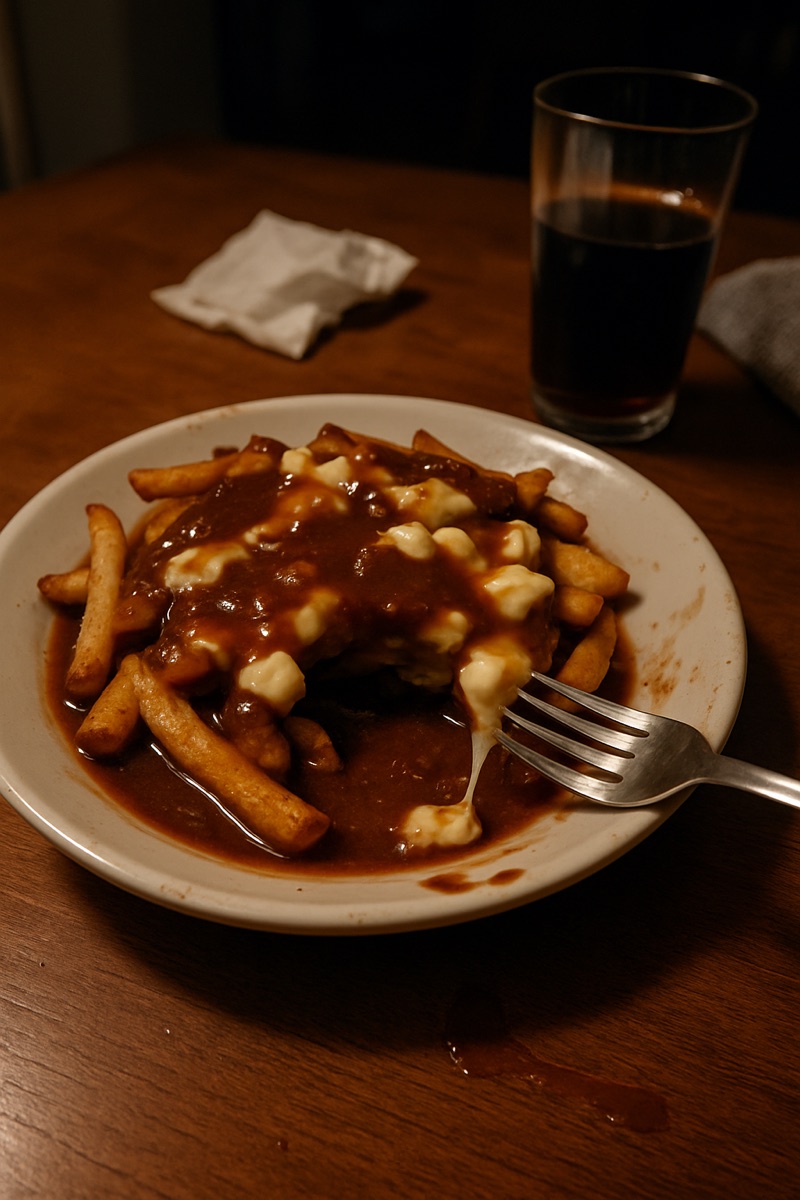
- Poutine — French fries topped with fresh cheese curds and a hot, thin brown gravy of beef and chicken stock, poured on so the curds soften without melting. It appeared in the Centre-du-Québec region in the late 1950s and is the dish most often named as the national dish of Canada; our poutine recipe uses twice-fried potatoes and curds less than a day old.
- Tourtière — A double-crust meat pie of minced pork, beef or both, spiced with clove, cinnamon and allspice, and the signature dish of the French-Canadian Christmas Eve réveillon. Its name comes from the tourte, the passenger pigeon that once filled it before the bird became extinct. Our tourtière recipe chills the filling overnight before it meets the pastry.
- Pâté chinois — Three layers baked in the oven: ground beef, then corn, then mashed potato, often sprinkled with paprika and eaten with ketchup or pickles. Historians trace it to working-class Montreal in the 1910s, and it spread during the Great Depression; a poll by the newspaper Le Devoir made it the informal "national dish of Quebec".
- Soupe aux pois — Quebec's yellow pea soup, traditionally made with whole yellow peas, salt pork and herbs, the pork chopped and returned to the pot or sliced and served apart. The Newfoundland version adds turnip and carrot and is often topped with small dumplings called doughboys.
- Jiggs dinner — The Sunday boiled dinner of Newfoundland and other Atlantic provinces: salt beef simmered with potatoes, carrot, cabbage, turnip and greens, with pease pudding and figgy duff cooked in bags in the same broth. Leftovers are fried the next day as cabbage hash.
Delis, breakfast and street food
- Montreal smoked meat — Beef brisket dry-cured with salt, cracked pepper, coriander, garlic and mustard seed for about a week, hot-smoked, then steamed. It is sliced into a sandwich on light rye bread with yellow mustard, a tradition started by Jewish delis from Eastern Europe in the early 1900s.
- Montreal-style bagel — Smaller, thinner, sweeter and denser than the New York bagel, with a bigger hole. The dough contains malt and egg but no salt, and each bagel is boiled in honey-sweetened water before baking in a wood-fired oven.
- Halifax donair — Spiced ground beef sliced off a rotating cone, crisped on a flattop and wrapped in a soft pita with onion, tomato and a sweet sauce of condensed milk, sugar, vinegar and garlic. Greek immigrant Peter Gamoulakos created it in the early 1970s, and Halifax made it the city's official food in 2015.
- Peameal bacon — Lean boneless pork loin, wet-cured in a salt and sugar brine and rolled in cornmeal, found mainly in Ontario. The name comes from the ground dried yellow peas once used to preserve it. Sliced, griddled and served on a Kaiser roll, it is a signature sandwich of Toronto's St. Lawrence Market.
Desserts and maple
- Butter tarts — Small pastry shells filled with butter, brown sugar, syrup and egg, baked until the filling is semi-solid with a crunchy top. They belong mostly to English-speaking Canada, the earliest published recipe dates from 1900 in Barrie, Ontario, and whether raisins go in is a running national argument. See our butter tart recipe.
- Nanaimo bars — A no-bake square of three layers: a crumb base of wafer, nuts and coconut, a custard icing, then chocolate on top. Named after the city of Nanaimo in British Columbia, the bar appears under that name in print in 1953.
- BeaverTails — Fried dough stretched by hand into the shape of a beaver's tail and topped with cinnamon sugar or other sweet toppings. The family recipe was first sold at a fair in Killaloe, Ontario, in 1978, and the stand in Ottawa's ByWard Market opened two years later.
- Pouding chômeur — "Unemployed man's pudding", created in Quebec during the Great Depression: a plain cake batter over which hot maple or brown sugar syrup is poured, so the cake rises through it and leaves a layer of sauce underneath. It is a regular at sugar shack meals.
- Maple taffy — Maple syrup boiled to about 112°C, poured in strips onto clean snow and rolled up on a wooden stick as it sets. Called tire sur la neige in French, it is eaten in spring at the cabane à sucre, the sugar shack where sap is boiled into syrup in Quebec, Eastern Ontario and New Brunswick.
A country of regional kitchens
Canadian food is easiest to understand province by province. Quebec has the richest repertoire of named dishes, from cretons and fèves au lard to sugar pie, and the March sugar shack season. The Atlantic provinces cook from the sea: lobster, salt cod, fish and brewis, and blueberry grunt in Nova Scotia. Ontario has peameal bacon and butter tarts; the Prairies have Alberta beef, Saskatoon berry pie and the pierogi of Ukrainian and Polish settlers; British Columbia has Pacific salmon, often smoked, and the Nanaimo bar. In the Arctic, Inuit still eat muktuk, raw whale skin and blubber, and fermented meats.
Many of these foods cross the border: compare with the traditional food of the United States, and see how Canada fits into wider North American cooking.
Cook Canadian food at home
Poutine, tourtière and butter tarts each have a full step-by-step recipe in Copper, with ingredients, timings and the one technique that makes each dish work. You will find all three on our page about the food of Canada.
The recipes
- Poutine🇨🇦 Canada · 1 hour
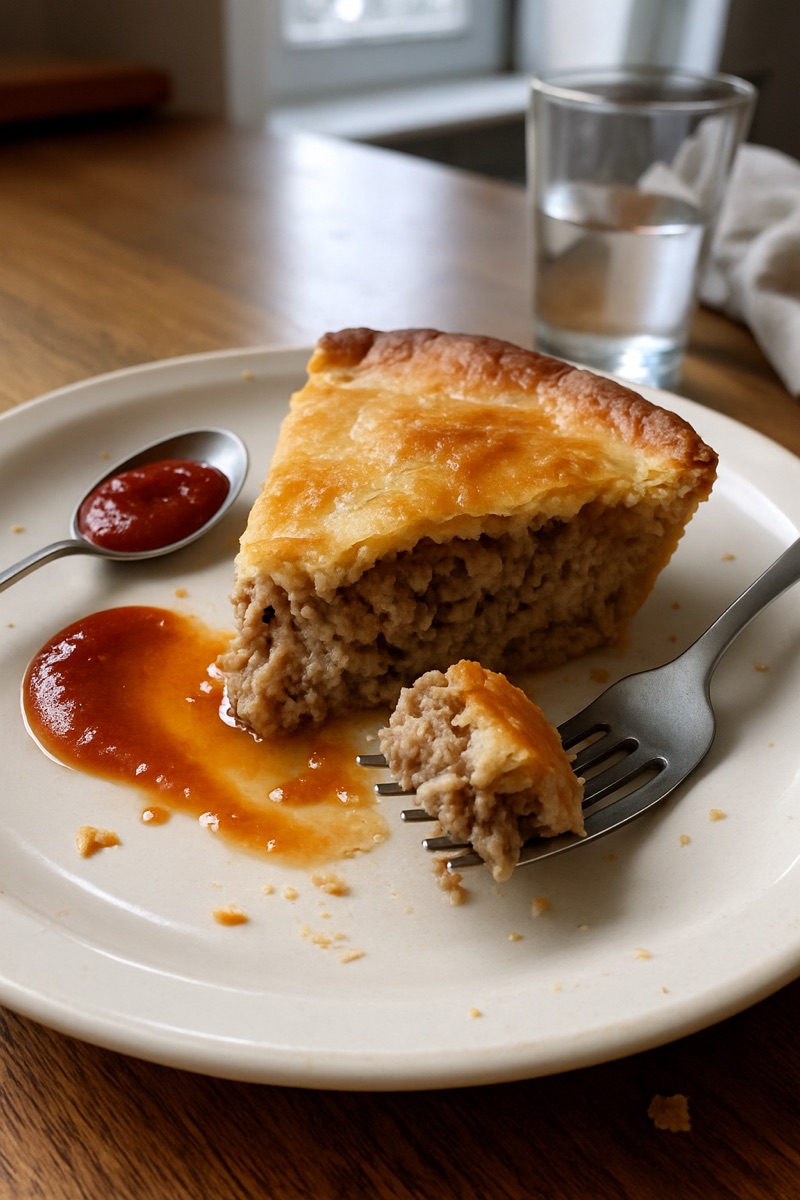 Tourtière🇨🇦 Canada · 14 hours and 35 minutes
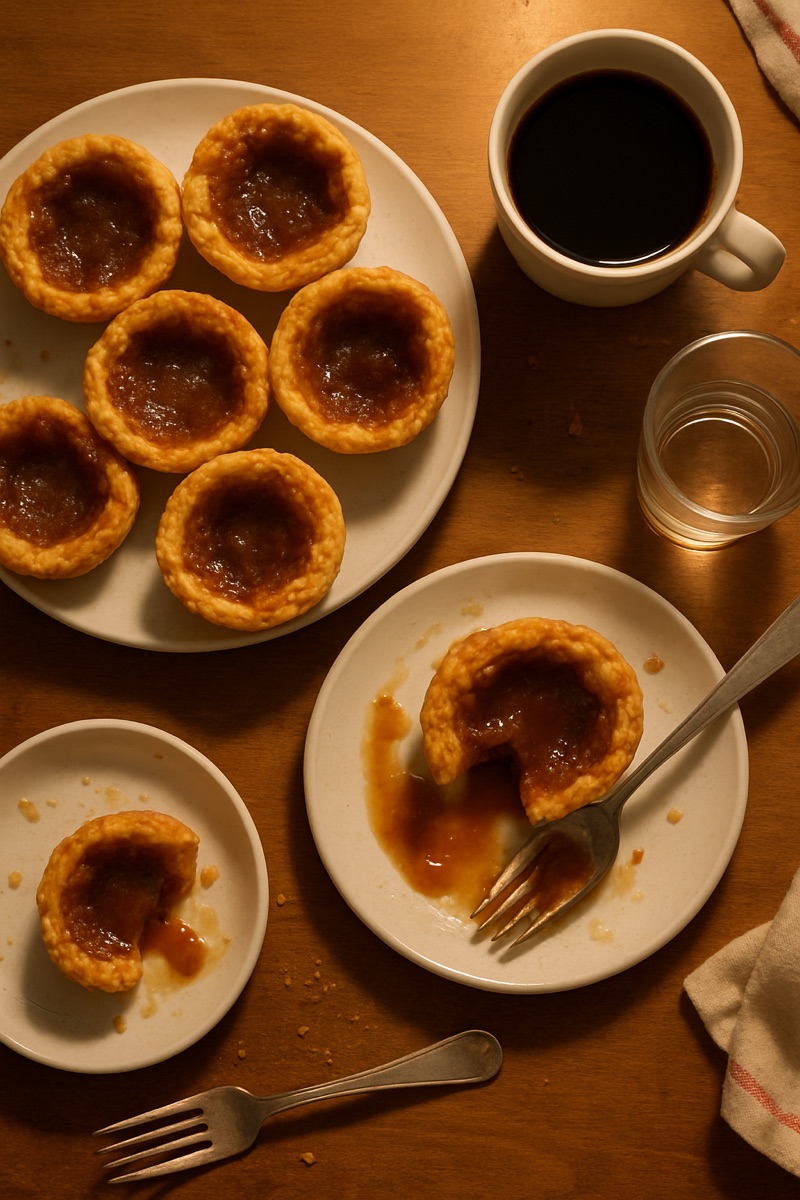 Butter tarts🇨🇦 Canada · 2 hours and 30 minutes
Questions people ask
What is the most popular food in Canada?
Poutine is the food Canadians name most often in polls about a national dish, ahead of Canadian bacon, maple syrup, butter tarts and Nanaimo bars. In a 2015 Statista poll on an official national food, Canadian bacon came first with 35% and poutine second with 30%.
What do Canadians eat for breakfast?
A typical Canadian breakfast is toast, muffins, pancakes, bagels, cereal, eggs and bacon, often with maple syrup. Peameal bacon on a bun is a Toronto classic, and fèves au lard, beans slow-cooked with bacon and maple syrup, can sit beside the eggs in Quebec.
Is Canadian food spicy?
Traditional Canadian food is mild. Its flavours come from salt pork, butter, maple and warm spices such as clove and cinnamon in tourtière, while heat arrives through immigrant cooking, especially South Asian and Caribbean food in the big cities.
What is a traditional Canadian dessert?
Butter tarts and Nanaimo bars are the two national classics. In Quebec, pouding chômeur, sugar pie and maple taffy on snow are the traditional sweets, and BeaverTails are the popular fried pastry.
What food is Quebec known for?
Quebec is known for poutine, tourtière, pâté chinois, pea soup, fèves au lard and maple syrup, of which it produces about 72% of the world's supply.
Keep reading
- What is the national dish of Canada?
- Traditional food of Bermuda: 12 dishes to know
- Traditional food of the United States: 13 dishes to know
- What is the national dish of Bermuda?
- What is the national dish of the United States?
- Traditional food of Afghanistan: 12 dishes to know